Apple Valley, MN
Garage Door Panel Replacement for Apple Valley Homes
Dented or cracked garage door panel in Apple Valley? See why single-panel swaps work on 1960s-90s doors here, when the whole door has to go instead, and what the job actually involves.
Doing It Yourself
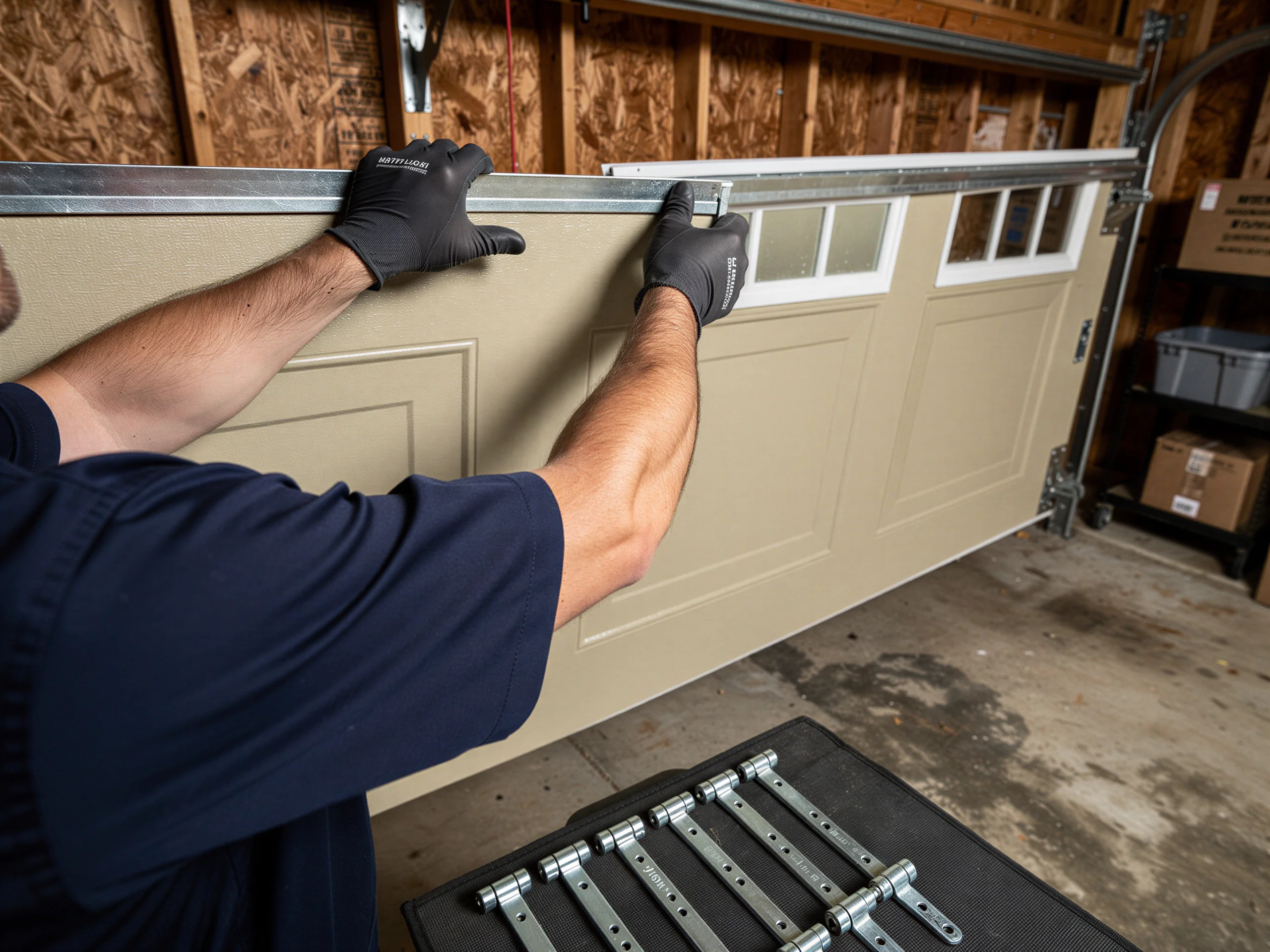
A single dented or cracked panel is one of the few garage door repairs a reasonably handy homeowner can scope out before calling anyone. You can usually tell from the garage floor whether the damage is cosmetic (a car bumper ding) or structural (a panel that's buckled enough to bind the rollers in the track).
Standalone panel swap viability
If the door still opens and closes square, and the dent doesn't touch a hinge stile, a panel swap is often realistic as a standalone job rather than a full door replacement. Where it stops being a DIY job is matching the panel.
Discontinued panel part numbers
Doors built in the 1960s through the 1990s rarely have a part number anyone still stocks, and section height, window cutout, and embossing pattern all have to match or the new panel reads as an obvious patch. We can usually source a compatible panel from a salvage or aftermarket supplier, but lead time varies and we won't promise a same-day match sight unseen.
Hinge reattachment pitfalls
Torsion spring tension, panel alignment during removal, and reattaching hinges without warping the new section are where most self-installs go wrong. If your door is a sectional steel door with exposed torsion hardware over the opening, the panel itself is the easy part - getting it seated without throwing the door out of square is not.
Where This Job Goes Sideways
The panel swap itself is rarely the hard part. What turns a one-hour job into a half-day one is everything attached to the panel you're replacing.
Painted-over hinge stripping
Hinges that have been painted over for decades strip out when you try to back the screws. Track brackets on the damaged side are often bent along with the panel, which means the new section looks fine standing still and then binds the second the door moves.
Hole spacing mismatch
On older sectional doors, the biggest trap is discovering mid-job that the replacement panel's hole spacing doesn't match your hinge pattern, even from the same manufacturer, because specs shifted across production runs. We've also seen owners replace the visible panel and skip the bent end stile behind it, which puts the door right back out of track within a few openings.
Hidden damage beyond panel
We won't quote a panel-only job over the phone without seeing the door. A door that looks like a one-panel fix from the driveway sometimes turns out to need the end stile, the roller, and a track section once it's up on the opener. Telling you that up front costs us a sale sometimes, but it's cheaper than a callback.
How It Shows Up
Panel damage shows up two ways around here. The obvious one is impact: a car, a trailer hitch, a basketball, or ice chunks sliding off a roofline denting or cracking a section. The less obvious one is age - steel panels on doors from the 1960s through the 1990s thin out and rust from the inside at the bottom section, where snowmelt and road salt sit against the steel all winter. That bottom panel corrodes from the inside and buckles or splits long before the rest of the door shows any wear.
Other signs: a panel that flexes visibly when the door moves, daylight showing through a seam that used to be tight, or a section that's noticeably out of plane with the rest of the door when it's down. If the gap between panels widens unevenly near the bottom, that's usually corrosion eating the seam from inside, not a single impact.
Why It Happens Here
Most of the housing stock across this service area went up between 1955 and 2004, with the bulk concentrated in the 1960s and 70s construction boom across the 21 communities we work in. Steel sectional doors from that era were built thinner than what ships today, and after four or five decades of winters they're the panels most likely to fail at a seam or corner rather than flex and recover.
The climate band here is cold and moderate - not the harshest winters in the country, but enough freeze-thaw cycling and road salt exposure each season to work steel from the inside out. A bottom panel that sits a few inches above a salted driveway takes that abuse every winter for forty-plus years, and it shows. Newer doors with coated or insulated steel hold up better, but a lot of the doors we're called out to replace a panel on predate that coating.
This pattern repeats across our whole coverage area, out past Coates eight miles from Apple Valley, Inver Grove Heights at nine, and further out toward Hastings, Northfield, and Roseville - same housing era, same winters, same failure point on the bottom panel.
Questions
Common questions
Can you match the panel to my existing door?
Often, but not always. We source panels from the original manufacturer when the line is still active, and from salvage or aftermarket suppliers when it isn't. Doors from the 1960s-90s are the hardest to match exactly on embossing and window cutout, so we check availability before quoting a firm price.
Is panel replacement cheaper than a new door?
Usually yes for a single damaged section on an otherwise sound door. It stops making sense when hinges, track, or multiple panels are also damaged, or when the door is old enough that a matching panel isn't available at a reasonable cost. We'll tell you straight which side of that line your door is on.
Why does the bottom panel fail first?
It sits closest to snowmelt, road salt, and standing moisture all winter. On older steel doors without a protective coating, that exposure corrodes the panel from the inside over years, which is why bottom-section failure is so much more common here than damage higher up the door.
Explore more
Explore More Services In Apple Valley, MN
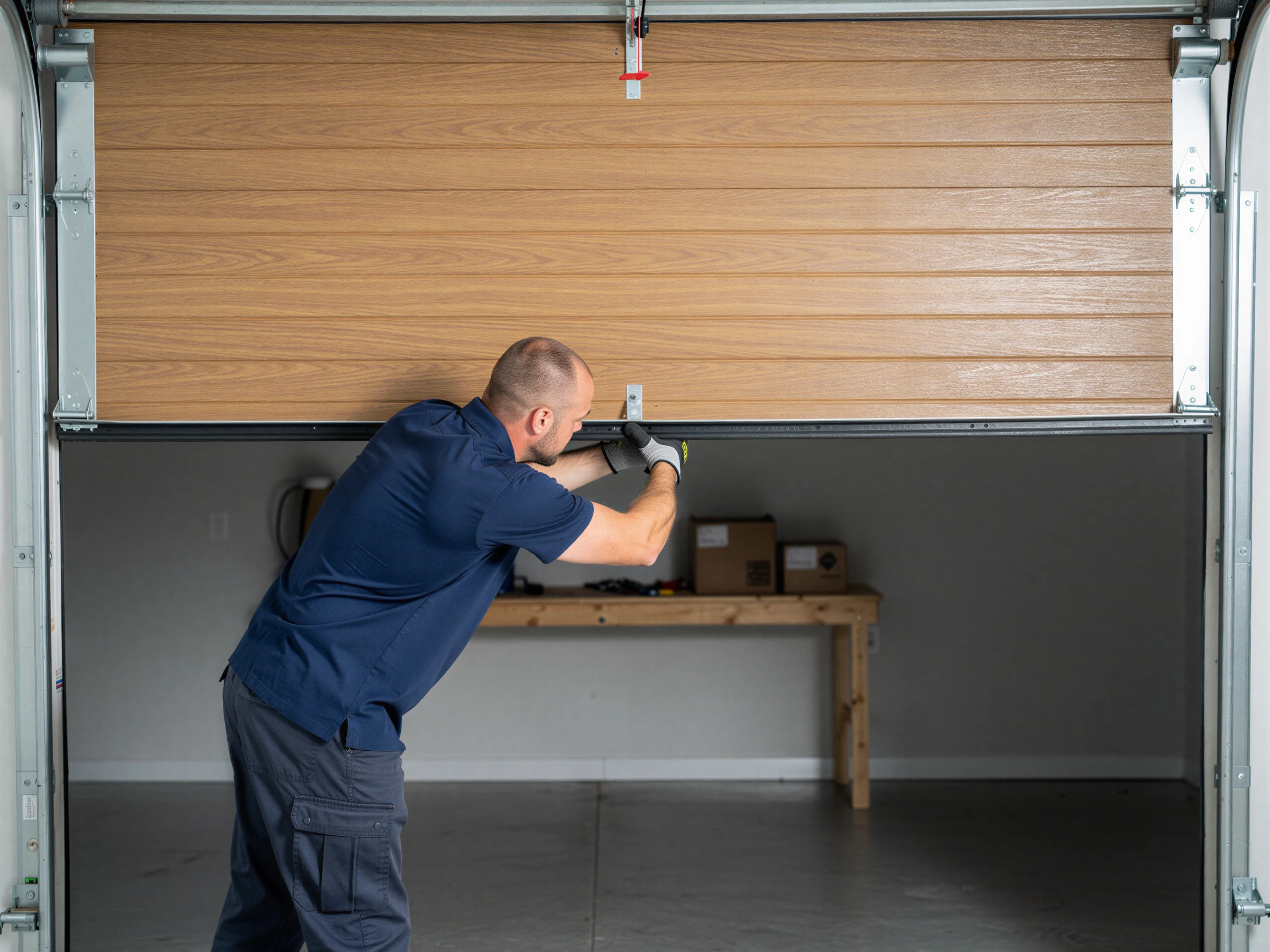
Garage Door Service for Apple Valley's Older Torsion Systems
Apple Valley homes built between 1955 and 2004 run original torsion springs and tracks that weren't made for Minnesota cold. Learn more →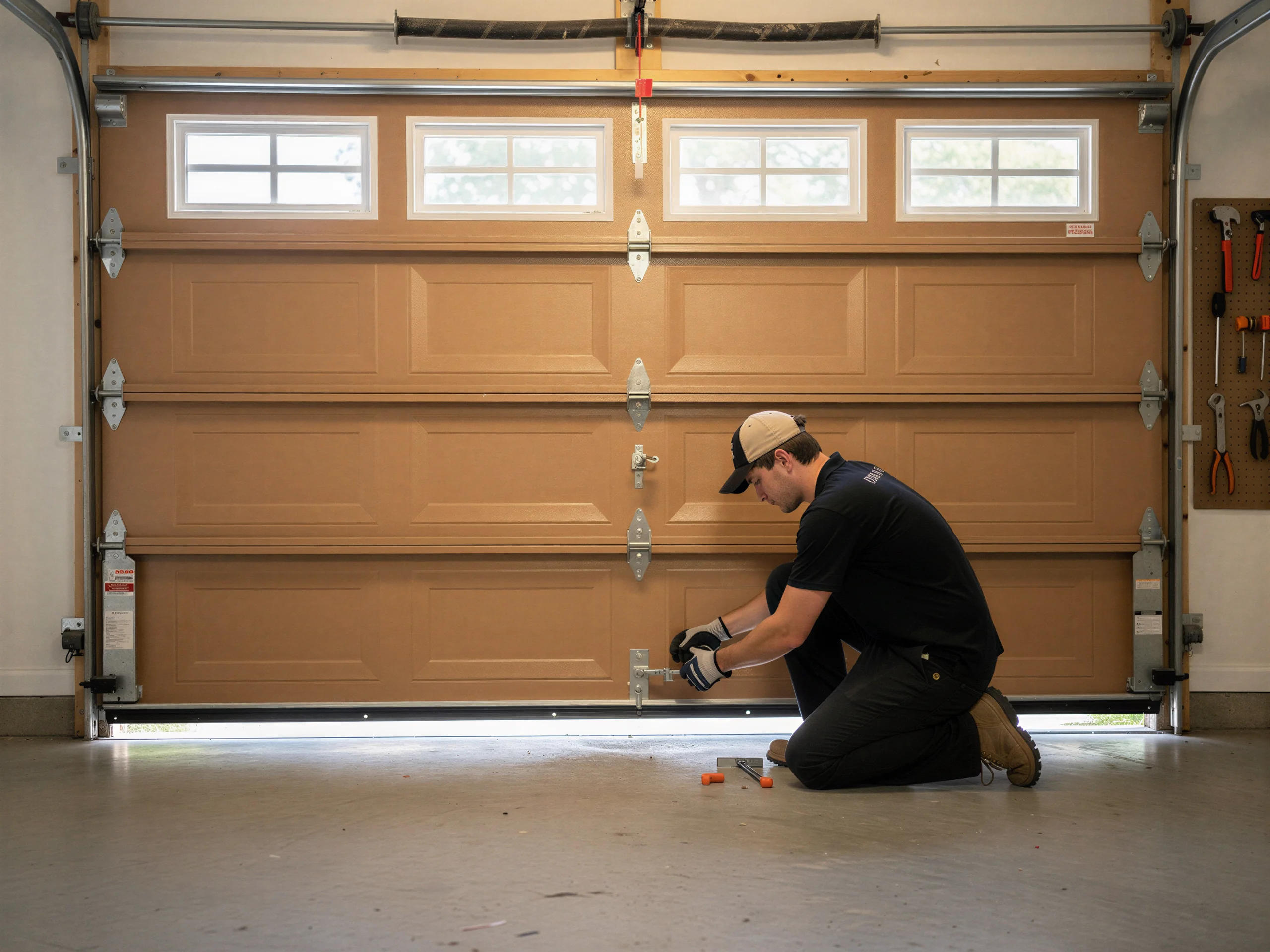
Garage Door Repair for Apple Valley's Older Torsion Hardware
Apple Valley's 1960s-70s housing stock means original torsion springs and openers are aging out fast. Learn more →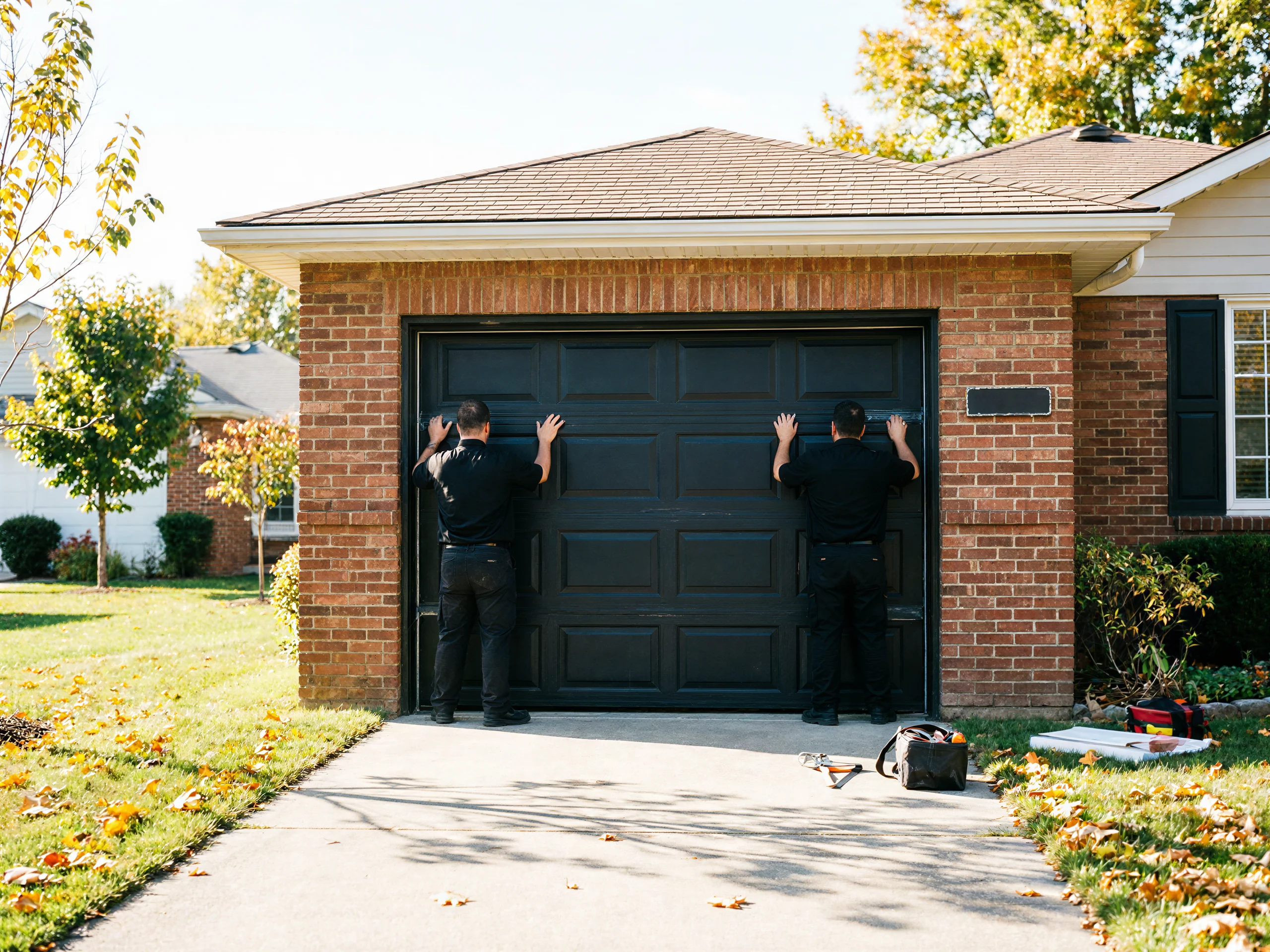
Garage Door Installation for Apple Valley's 1960s and 70s Housing Stock
Installing a garage door on a house built between 1955 and 2004 in Apple Valley means matching the old opening, not just the new door. Learn more →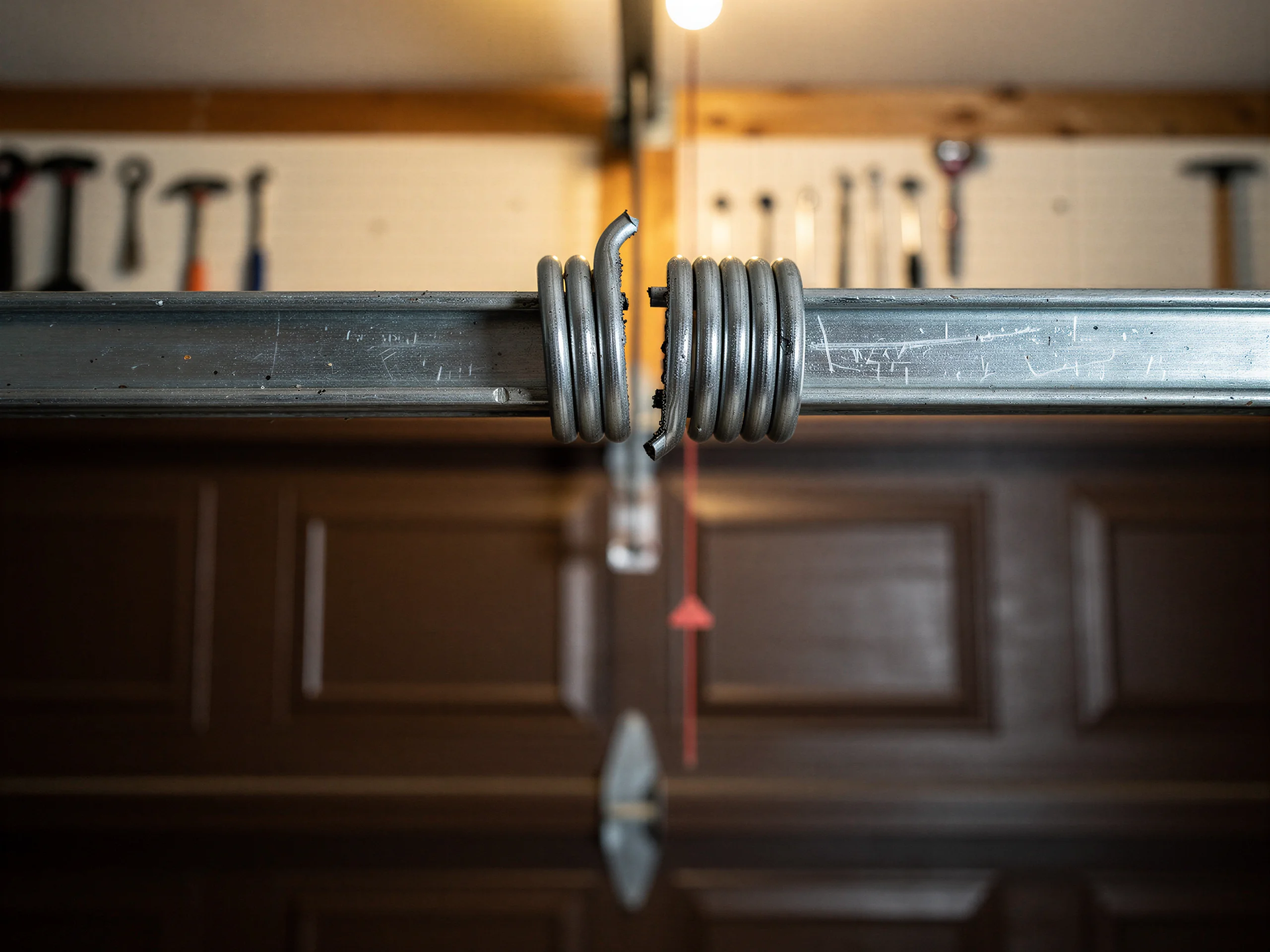
Garage Door Spring Repair Around Apple Valley
Torsion and extension spring repair for Apple Valley homes built mostly in the 1960s and 70s. Learn more →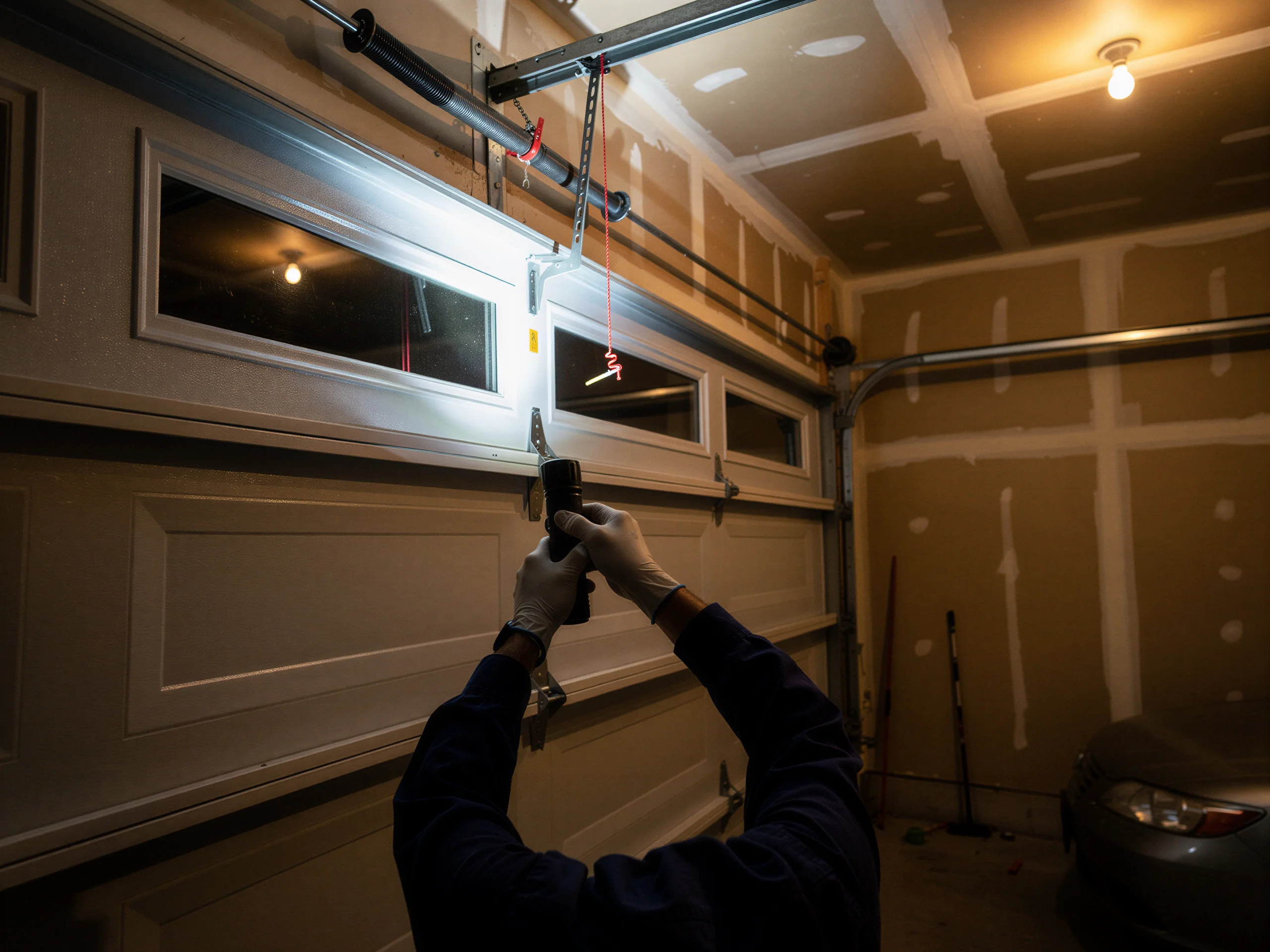
Emergency Garage Door Repair, Apple Valley and the Surrounding Area
24-hour garage door repair for Apple Valley homes built in the 1960s-70s boom, where cold-snap spring failures and worn torsion hardware are the most common late-night calls. Learn more →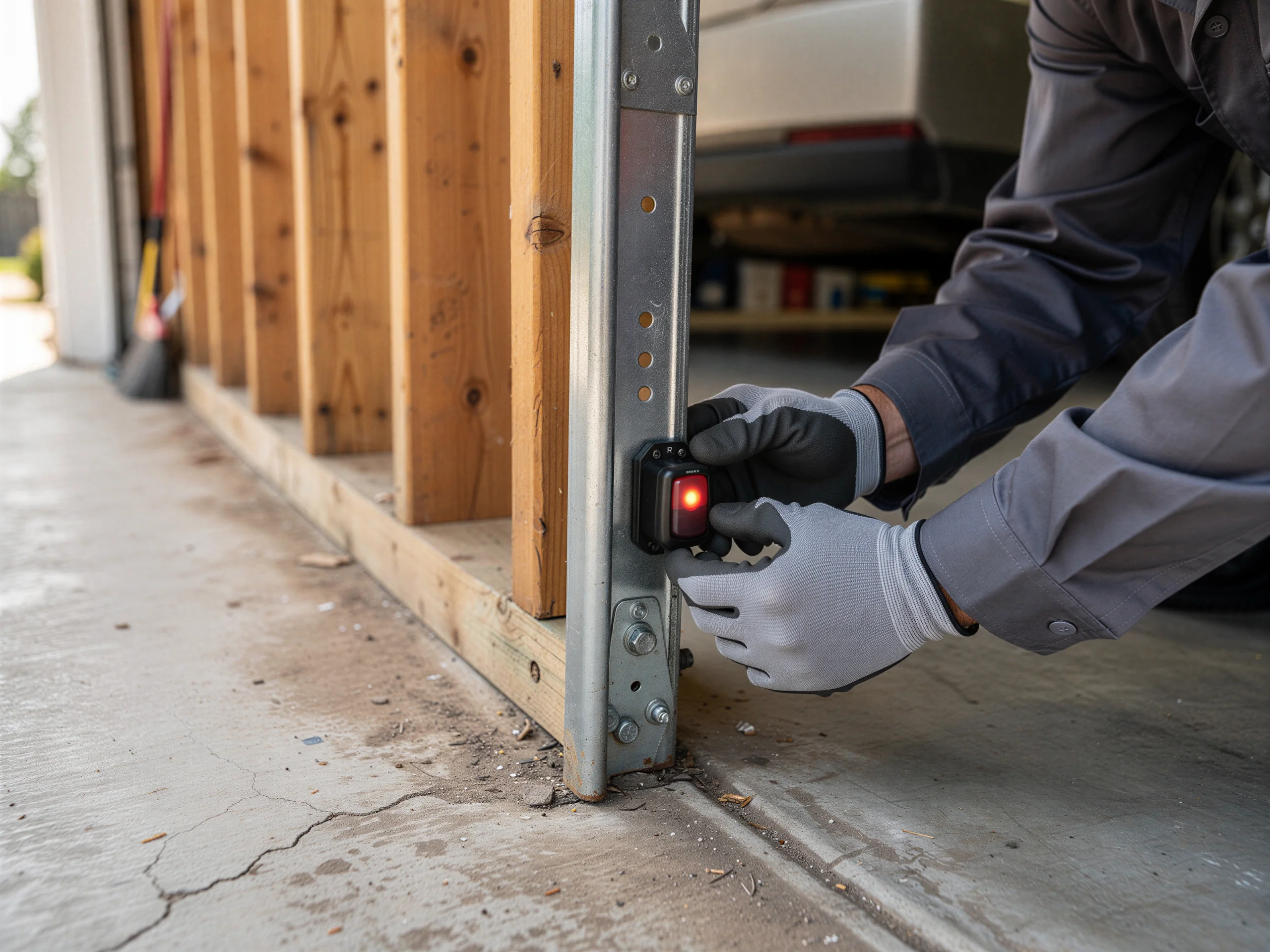
Garage Door Opener Repair, Apple Valley and Nearby
Opener won't close, reverses, or runs but the door won't move? Learn more →Ready when you are
Need a garage door sorted in Apple Valley?
Apple Valley Garage Door Pros repairs and installs garage doors, springs and openers in Apple Valley, MN and the surrounding area.