What Actually Happens When We Show Up for a Service Call
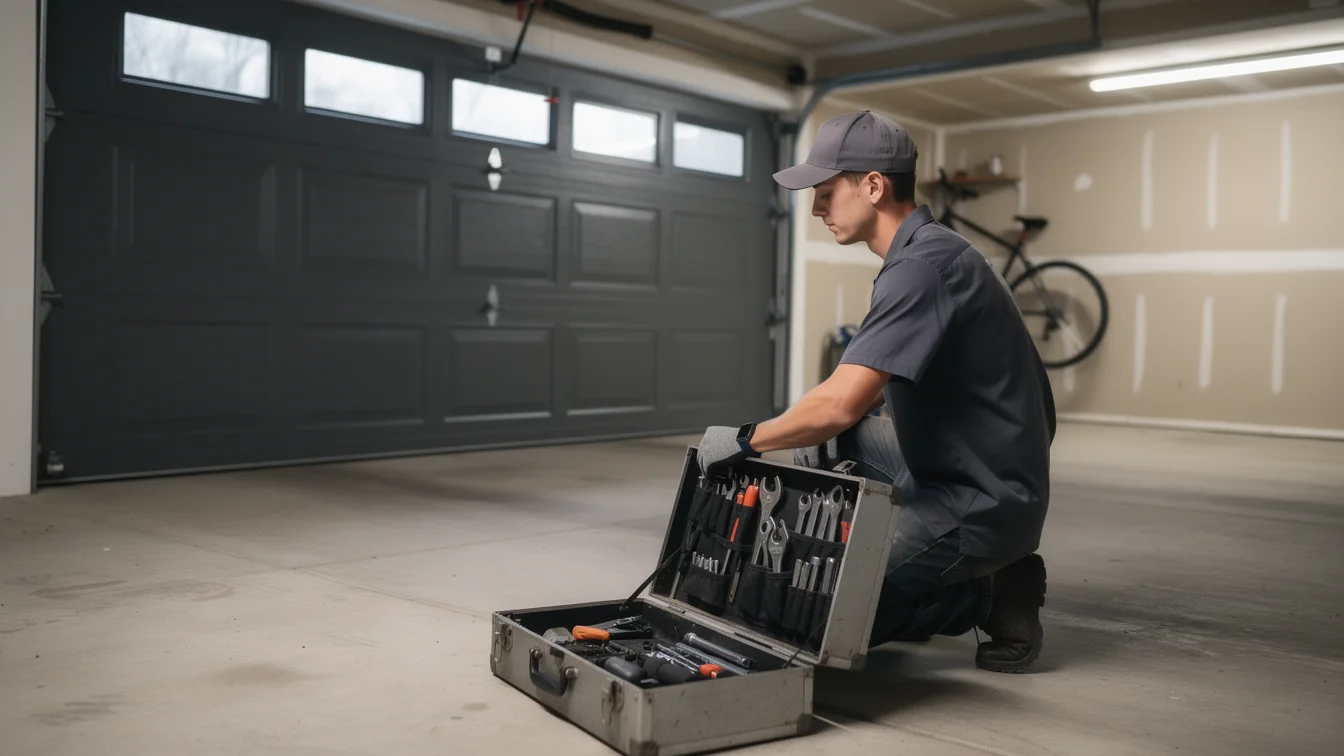
Apple Valley Garage Door Pros explains exactly what's inspected, tested, and fixed on a service call for the area's 1960s-70s housing stock and cold winters.
Read moreWhy Apple Valley's 1960s-90s housing stock and cold winters push torsion springs to fail now, and what to check before you call for a repair.
Local detail
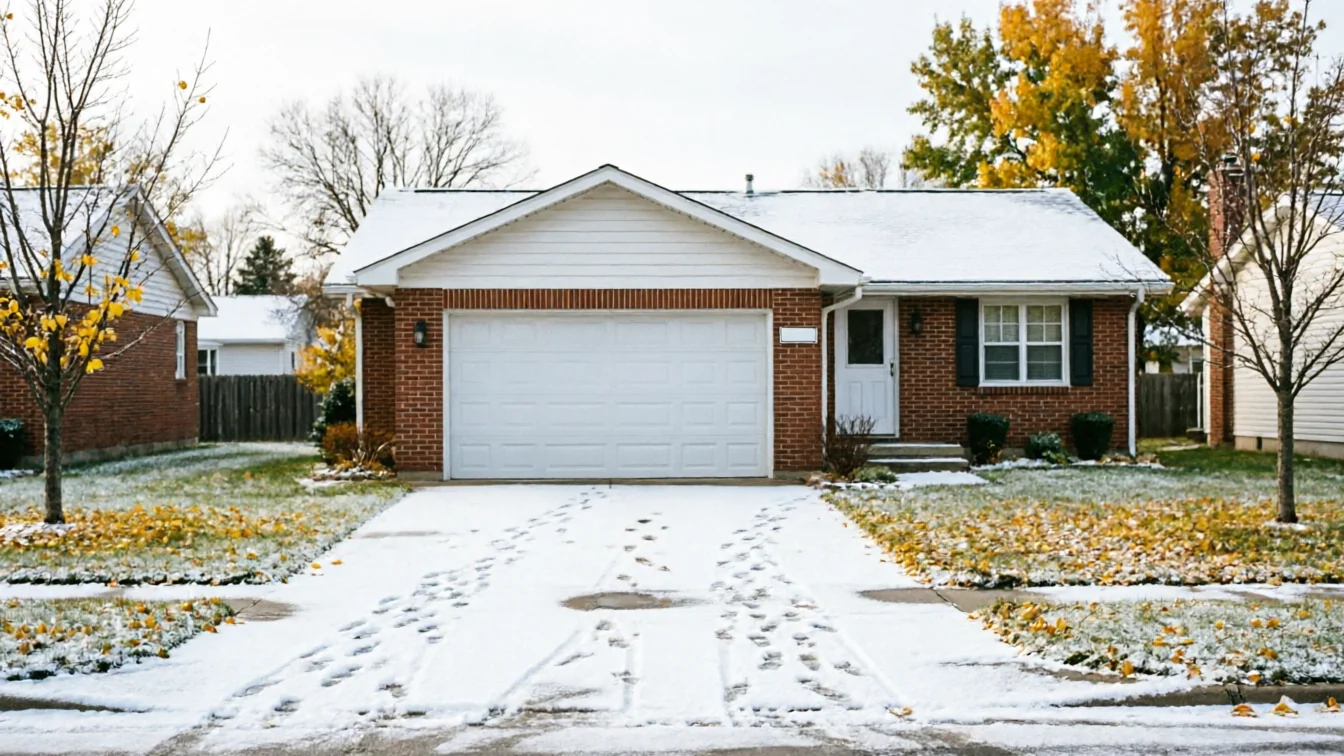
Most houses in this part of the metro went up between 1955 and 2004, with the bulk of the stock dating to the 1960s and 70s across the 21 named areas we draw jobs from. That matters because a torsion spring has a rated cycle life, and a spring installed when a house was framed in, say, 1974 has had fifty winters to work through its coils. Cold makes steel brittle and less forgiving, and this area sits in a moderate-cold climate band, not a mild one. So the common failure here isn't random - it's a spring at or past its cycle count, meeting a cold snap, on a door that's old enough to have the original hardware. If your house falls in that 1955-2004 build window, the spring under stress right now may be original, or a replacement nobody tracked. Either way, age plus cold is the pattern we see, not an exception to it.
The area
Before you call anyone, look at the spring itself - it sits above the door on a shaft, usually one or two torsion springs depending on door weight. A broken one shows a visible gap in the coil, sometimes with the two halves twisted apart. Check whether the door was moving slower or louder than normal in the days before - that's a spring losing tension, not snapping clean. Also check the opener: if the door won't budge and the opener motor just hums, that's consistent with a dead spring taking the full weight, not a motor problem. Don't pull the release cord and try to lift a double door by hand in cold weather if you suspect a broken spring - a steel door that size is heavy, and cold makes the track and rollers stiffer too, which adds resistance you don't expect.
What we find
Call when the spring is visibly broken, when the door won't open under opener power, or when you hear a loud bang from the garage - that bang is almost always the spring letting go. Don't wait through a cold stretch hoping it'll hold; a spring at the end of its life doesn't improve with another freeze. We don't recommend DIY spring replacement - the tension involved is dangerous, and it's one job where the cost of a mistake is an ER visit, not a redo. If your door is a one-piece panel on older side-mounted hardware, parts can take longer to source than a standard sectional door, so a same-day fix isn't always realistic - that's worth knowing before you're standing in a cold garage waiting.
How we work
A moderate-cold climate band means repeated freeze-thaw cycles through the winter, not just one hard freeze. That cycling is harder on garage door hardware than steady cold would be - metal contracts, lubricant thickens, and a spring that's borderline gets pushed over the edge on the coldest mornings. With median household income here at $97,784 across the service area, a lot of homeowners are weighing repair against replacement on doors from that 1960s-90s build era, and a full replacement on an old one-piece door can actually cost less over time than keeping obsolete hardware alive. We work across the area from Coates to St. Anthony, roughly 8 to 20 miles out, and the pattern holds across that stretch - older stock, same climate band, same kind of cold-weather spring calls.
Questions
Cold steel is more brittle, and this area sits in a moderate-cold climate band with repeated freeze-thaw cycles through the season. A spring already near the end of its cycle life is more likely to snap on a cold morning than a mild one, which is why winter call volume for broken springs runs higher here.
Most housing in this service area dates to the 1960s and 70s, median build year 1974, so a lot of doors are still running decades-old hardware. If yours hasn't been replaced, it's worth having it checked before a cold stretch rather than after a bang in the garage.
We don't recommend it. The spring is under heavy tension and a mistake can cause serious injury. It's one of the few garage door jobs where calling someone is worth it even if you're handy with other repairs.
We take jobs roughly 8 to 20 miles out, covering areas like Coates, Inver Grove Heights, Mendota Heights, Hastings, and Roseville. If you're unsure whether your address is in range, give us a call.
Recommendation
More garage door guides for Apple Valley homeowners.
Apple Valley Garage Door Pros explains exactly what's inspected, tested, and fixed on a service call for the area's 1960s-70s housing stock and cold winters.
Read more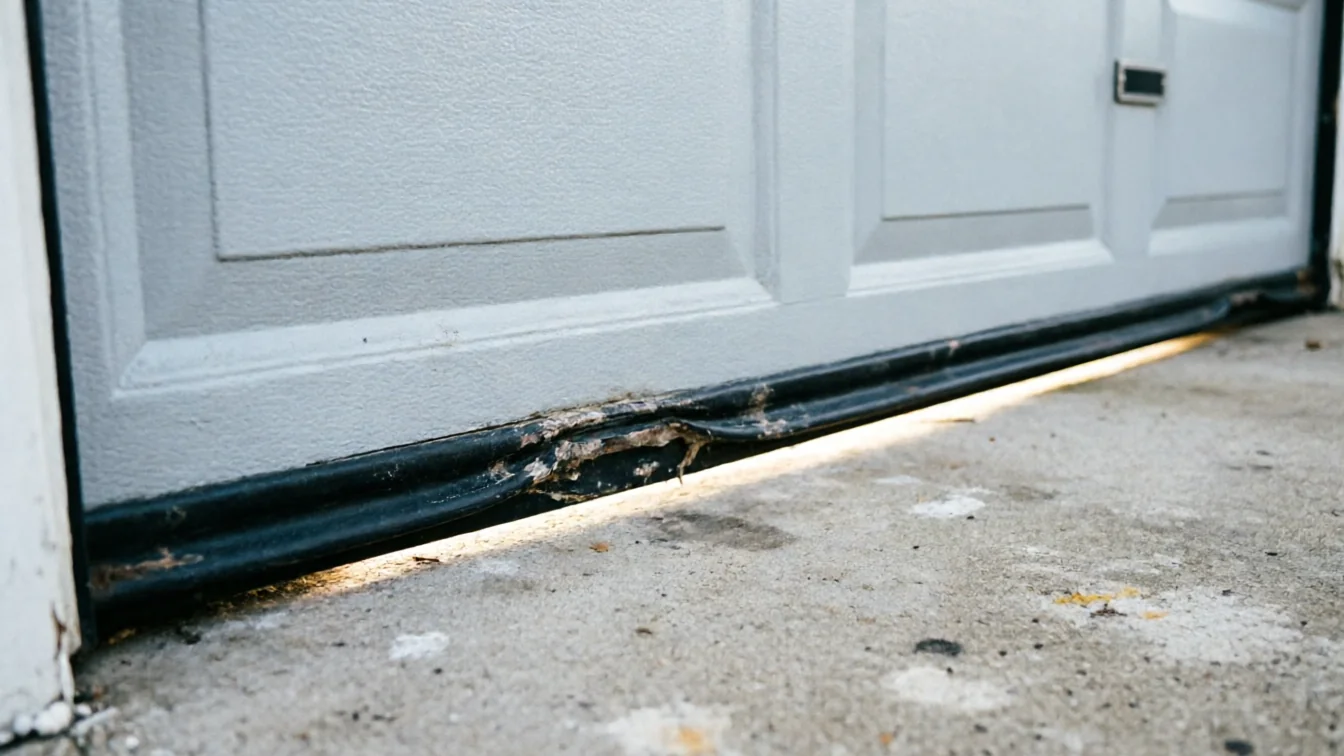
Apple Valley homes built mostly in the 1960s-70s show really worn weather seals and draughts fast in Minnesota's cold winters.
Read more
Apple Valley homes built 1955-2004 often run openers without battery backup.
Read moreReady when you are
Apple Valley Garage Door Pros repairs and installs garage doors, springs and openers in Apple Valley, MN and the surrounding area.