What That Sound From Your Garage Door Is Trying to Tell You
Apple Valley homes built mostly between 1955 and 2004 wear differently in cold Minnesota winters, and each noise your door makes points to a different cause.
Read moreMost Apple Valley homes date to the 1960s-70s, built before modern garage door insulation rules, which matters for comfort and repair costs each winter.
Local detail
Housing in this part of the metro mostly went up between 1955 and 2004, with the median build year sitting at 1974 and the bulk of it dating to the 1960s and 70s. That matters more than it sounds like it should. Garage door insulation requirements as we know them now didn't exist when most of these houses were framed. A builder in 1970 hung whatever single-skin steel or wood panel door was cheap and available, with no foam core, no thermal break, and no real seal against the slab.
With 50,541 owner-occupied houses among the 112,625 households across this service area, that's a lot of garages still running the door they were born with, or a direct replacement that copied the same spec. You can't tell by looking from the driveway whether a door has an insulated core or just a flat steel face with nothing behind it. You find out by knocking on the panel - hollow and tinny means no insulation, a dull thud usually means there's foam in there.
This isn't a defect. It's just what building standards looked like fifty years ago. The question for an owner now is whether that gap costs you more in comfort and energy than it's worth to leave alone.
The area
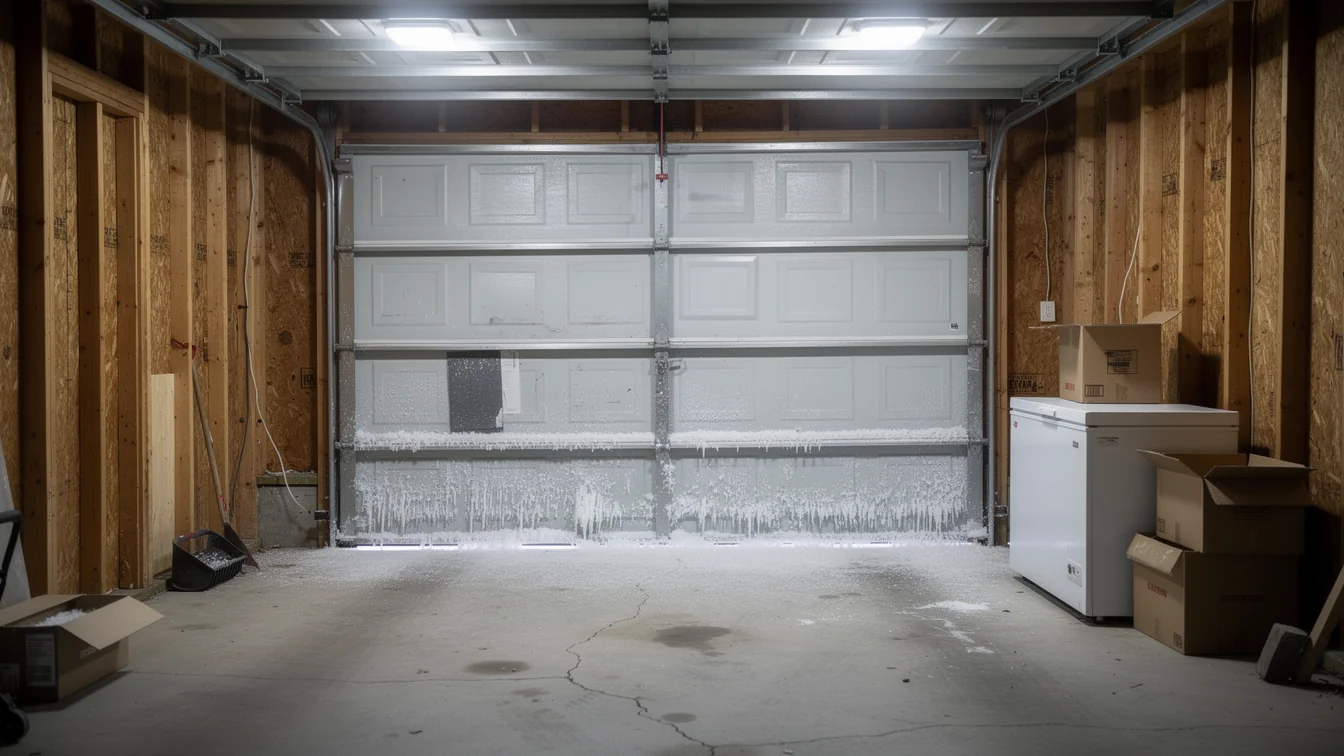
Start with the panel itself. Press your palm flat against the inside of the door on a cold day. If it feels the same temperature as the outside air, there's no insulation doing any work, which lines up with what you'd expect from a door built to the standards common when this area's housing stock went in.
Next, check the bottom seal and the weatherstripping along the sides. On a door that old, the rubber has usually hardened and cracked, which lets cold air track in under the door even if the panel itself were insulated. That's often the cheaper fix of the two problems and the one worth ruling out before you assume the whole door needs replacing.
Look at the track and hardware too. Original 1960s and 70s doors often ran lighter-gauge track and smaller rollers than what's standard now. If the door sags visibly at the top corners or the rollers look pitted and worn, that's wear from decades of use in a cold climate, not something insulation would fix. Separate the comfort question from the mechanical one before you decide what to do next - they often get lumped together and shouldn't be.
What we find
If the panel is uninsulated steel and sound but the seals are shot, that's a weatherstripping and bottom-seal job, and a lot of owners handle the seal themselves. Call when the door is visibly out of square, when a panel is denting or rusting through, or when you've replaced the weatherstripping and the garage still feels like the outdoors.
Here's the honest part: weatherstripping and a new bottom seal only buy you so much on a door with a flat uninsulated steel face built to a 1970s spec. We're not going to sell you a seal kit and tell you it solves what's really a door problem. If the core itself has no insulation, the door is doing its job of opening and closing, and that's it - it was never built to hold heat.
At that point the honest conversation is about replacement, not repair, especially once you factor in what a cold-climate winter does to an aging mechanism alongside the comfort issue. We'll tell you straight when a repair isn't worth the labor versus putting that money toward a door built to current standards.
How we work
This area sits in a cold moderate climate band, and that shapes what actually goes wrong on an older, uninsulated door versus what you'd expect somewhere milder. Steel contracts in deep cold, so an original-spec door without a thermal break tends to develop gaps at the corners that weren't there in summer. Springs also lose some temper in sustained cold, and a 1970s-era torsion spring wasn't speced for the duty cycle of a door used daily for fifty winters.
Condensation is the other piece. An uninsulated steel panel is the coldest surface in the garage on a sub-freezing day, and warm, moist air off a parked car or a washing machine will condense right on it, which over years leads to rust from the inside of the panel out, not just the outside in. That's a slower failure mode than most owners expect and it's specific to running an old, thin door through this kind of climate year after year.
None of this means the door is unsafe tomorrow. It means the clock on it runs faster here than it would in a climate that doesn't put a steel panel through that freeze-thaw and condensation cycle every winter.
Questions
Knock on the inside face of the panel. A hollow, tinny sound usually means bare steel with nothing behind it, common on doors built when most homes in this area went up, in the 1960s and 70s. A dull, solid thud usually means there's a foam core. You can also check the edge of a panel at a seam for visible foam.
Sometimes, if the panel, track, and springs are otherwise sound and you just want a quieter, slightly warmer garage. But a flat steel door built decades ago wasn't designed to accept an insulation kit cleanly, and if the hardware is also original, you're often better putting that money toward a full replacement built to current standards.
If your home dates to the era common in this area, the door is likely original or a like-for-like replacement with no insulated core. In a cold moderate climate, an uninsulated steel panel sits close to outdoor temperature, which pulls heat out of an attached garage and, through that shared wall, out of the rooms next to it.
Recommendation
More garage door guides for Apple Valley homeowners.
Apple Valley homes built mostly between 1955 and 2004 wear differently in cold Minnesota winters, and each noise your door makes points to a different cause.
Read more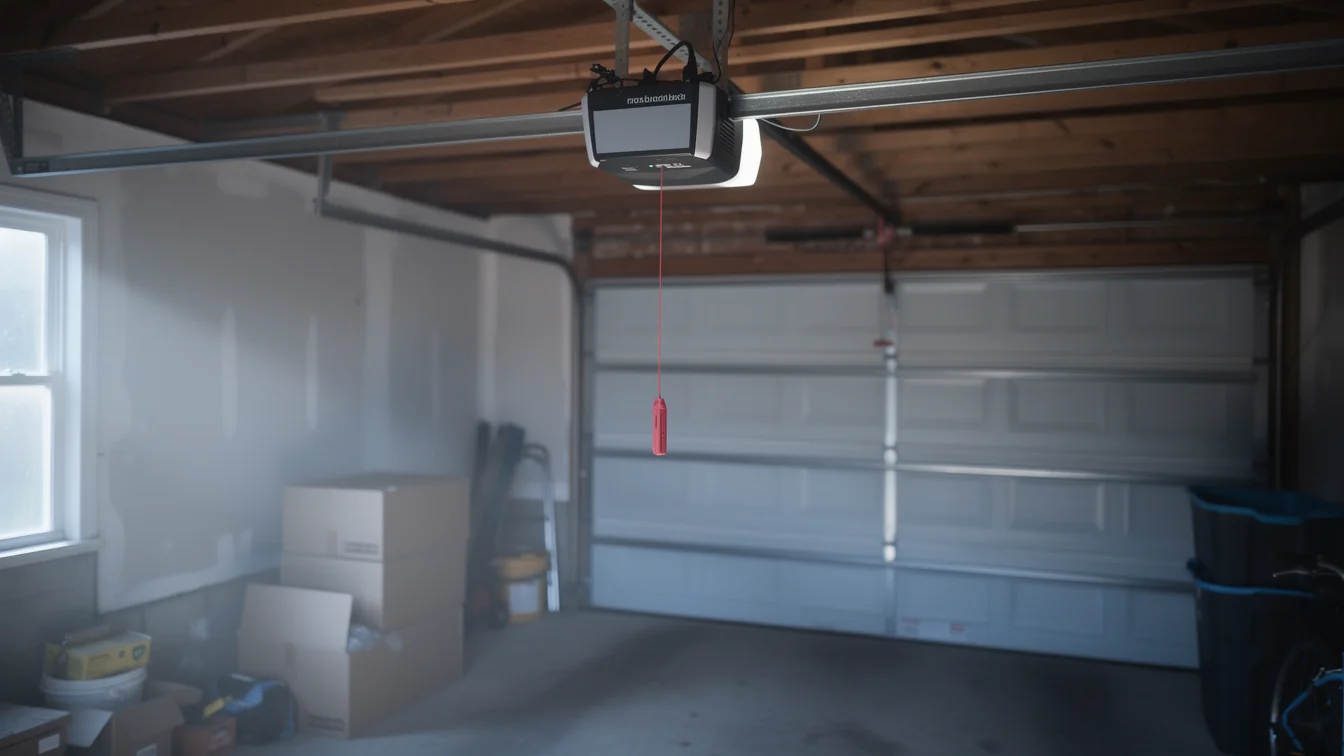
Apple Valley homes built 1955-2004 often run openers without battery backup.
Read more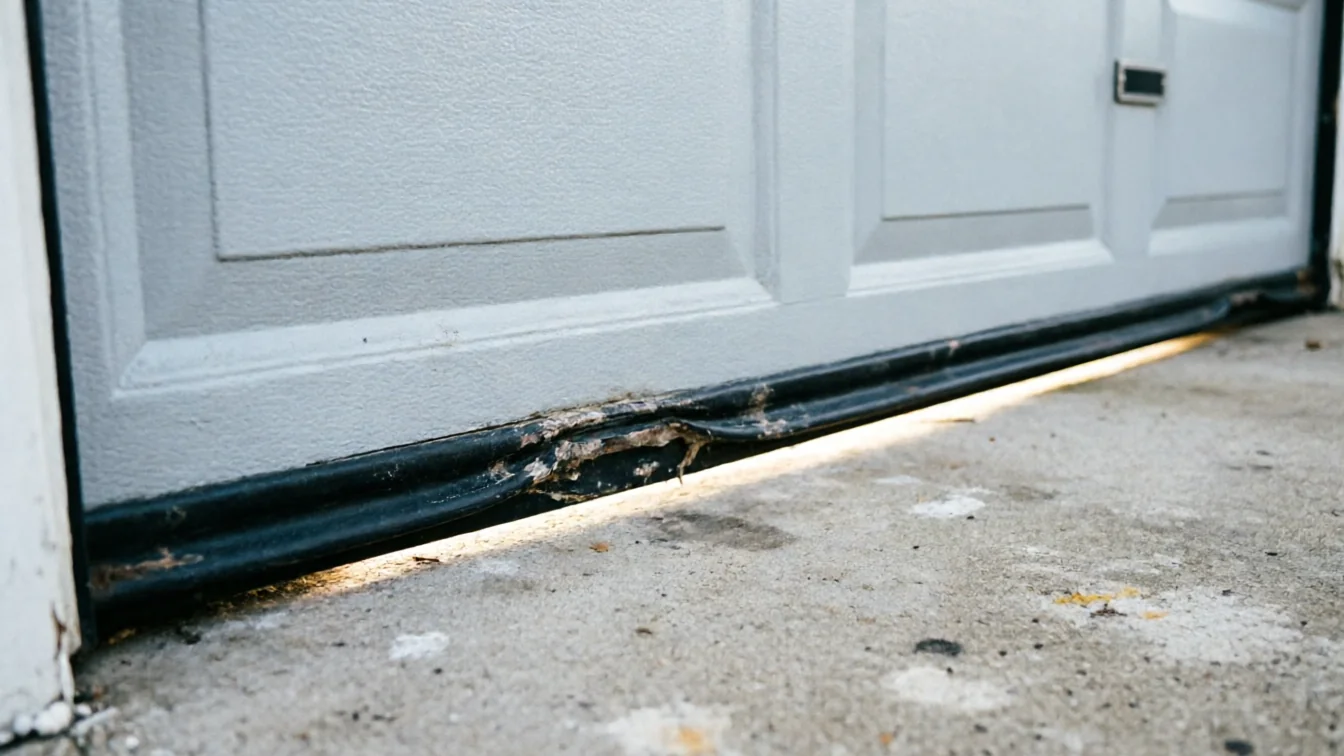
Apple Valley homes built mostly in the 1960s-70s show really worn weather seals and draughts fast in Minnesota's cold winters.
Read moreReady when you are
Apple Valley Garage Door Pros repairs and installs garage doors, springs and openers in Apple Valley, MN and the surrounding area.