Apple Valley, MN
Garage Door Service for Apple Valley's Older Torsion Systems
Apple Valley homes built between 1955 and 2004 run original torsion springs and tracks that weren't made for Minnesota cold. Here's what actually fails and why.
Doing It Yourself
If your door is slow to open, drags on one side, or the opener strains and reverses, you can check a few things before calling anyone.
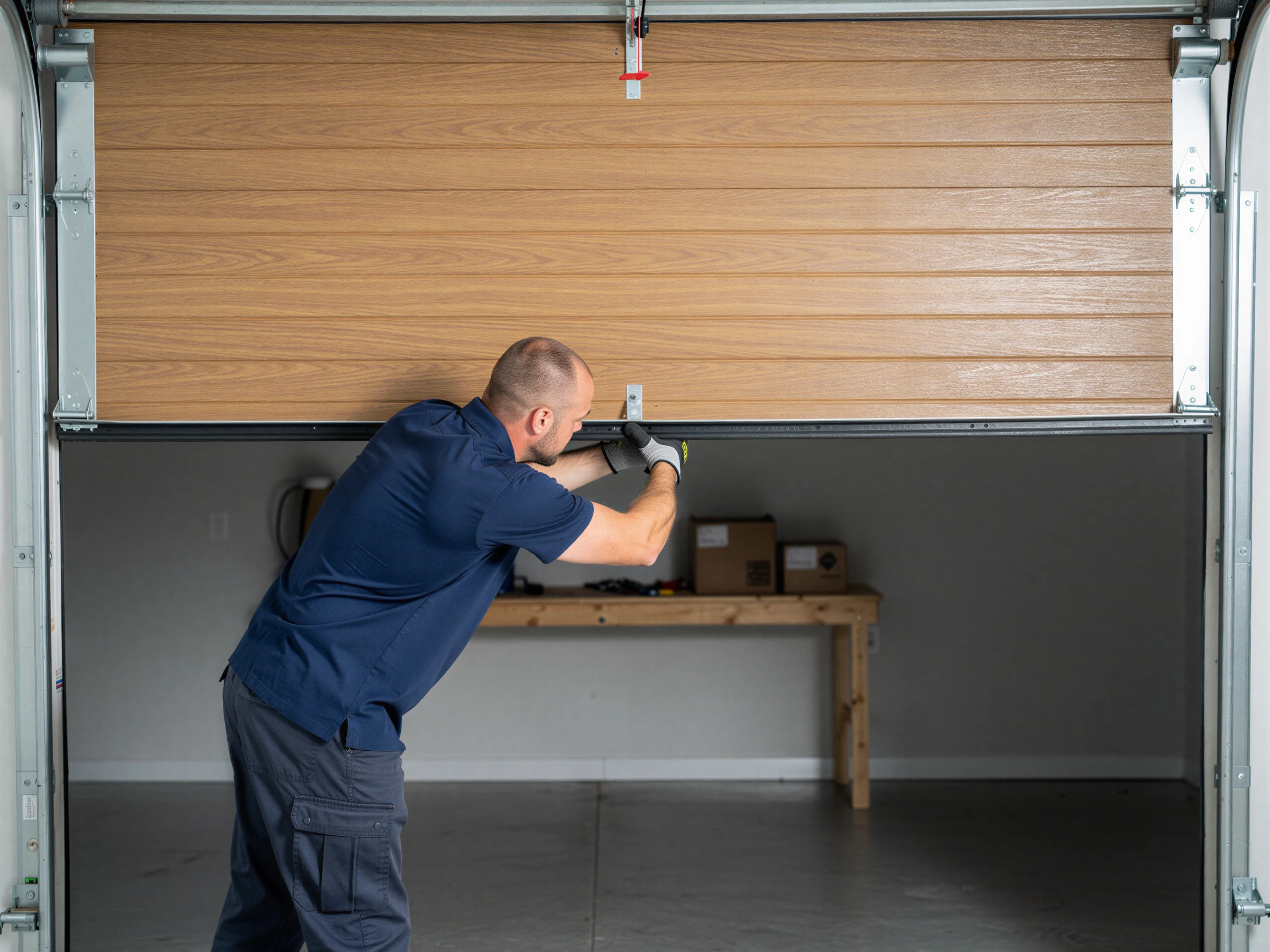
Manual lift balance test
Pull the release cord and lift the door by hand - it should move with one hand and stay put at waist height. If it's heavy or drops on its own, the spring is losing tension and that's not a DIY fix; torsion springs are wound under several hundred pounds of force and the tool for winding them safely isn't something most people own or should buy for one job.
Winter track ice checks
You can safely check the tracks for ice buildup, especially after a thaw-refreeze cycle, and wipe down the rollers and hinges with a light machine oil - not WD-40, which washes out what grease is left.
Old weatherstrip seals
Look at the weatherstripping along the bottom too; in a house built in the 1960s or 70s, original seals are long gone and a cracked one lets cold air and moisture straight onto the hardware above it. What you shouldn't touch: the spring itself, the cables, or anything under tension. We'd rather get a call for something minor than a call after someone's been hurt trying to save a service fee.
Where This Job Goes Sideways
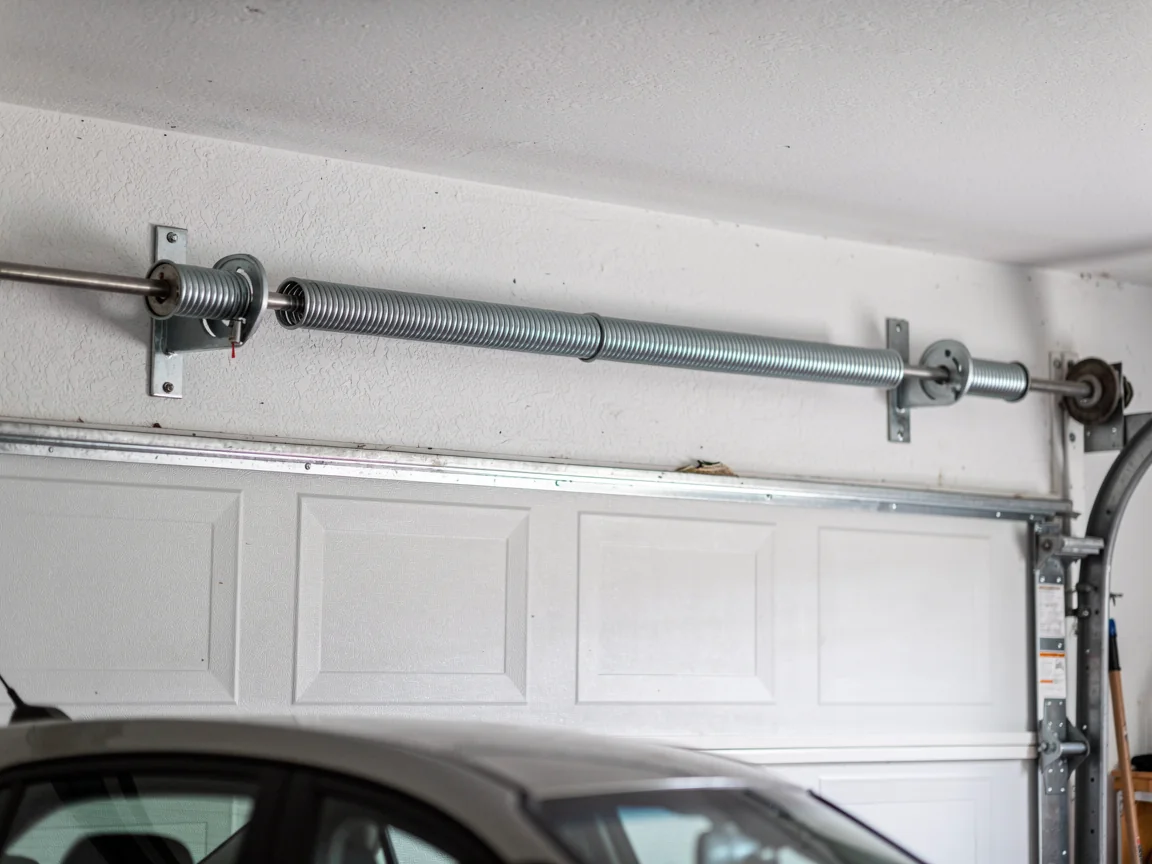
The usual way this turns into a bigger job is a homeowner hears a bang - the spring letting go - and keeps using the opener anyway because the door still moves.
Motor strain without spring
The opener motor isn't built to lift the door's full weight once the spring is gone, so it starts working the drive gear and carriage harder than it should. A few weeks of that and you're replacing a stripped gear or a burned-out opener on top of the spring.
Mismatched spring rating swap
The other way it goes sideways is a spring sized for a lighter door gets swapped in because it was in stock, without checking the door's actual weight. On the original one and two-piece doors common in houses from this era, that mismatch shows up fast as a door that won't stay open or slams down on the way closed.
Patch versus full overhaul
We won't pretend every repair is simple. If the torsion tube, both springs, and the cable drums are all original and all showing wear, patching one piece and leaving the rest is usually a short-term fix dressed up as a long-term one - we'll tell you when replacement of the full spring system makes more sense than piecing it together.
How It Shows Up
On houses built across Apple Valley's main construction years - mid-1950s through the early 2000s, with most of the stock dating to the 1960s and 70s - the pattern repeats: a torsion spring that's done 10,000-plus open-close cycles starts showing hairline gaps between the coils, or the door starts hanging crooked by a half inch or more on one side.
Winter opener strain
You'll usually notice it in winter first. The opener strains harder, the door closes with a thud instead of settling, or it reverses halfway up with no obstruction in sight.
Slow sag from spring
Sometimes it's quieter - a slow year-over-year sag where the door just stops sitting flush at the bottom, and you blame the weatherstripping before you find the real cause is a spring losing its wind. A second, less common version shows up as a track pulling away from the frame at one bracket.
Loose anchors in jamb
On original hardware that's 40 to 60 years old, the lag bolts have backed out of jamb wood that's shrunk and shifted over the decades, and the fix is re-anchoring the track into solid framing, not just tightening what's there.
Why It Happens Here
Two things stack on top of each other in Apple Valley. First, the age of the housing stock: most homes here were built between 1955 and 2004, with the bulk going up in the 1960s and 70s, which means a lot of original torsion springs and cable hardware are well past their rated cycle count and have never been replaced. Spring steel fatigues on a schedule regardless of how carefully a door's been used.
Second, the cold. This is a cold-climate service area, and steel springs and cables contract in low temperatures, which raises the stress on a spring that's already fatigued. A spring that would have another year or two of life in a mild climate can let go in a January cold snap here because the metal is stiffer and less forgiving right when the door's getting used most - garage doors open and close more often in winter, not less, since people are in and out with vehicles and the door's doing double duty keeping wind out of an attached garage.
Put those two together and you get a service area where spring failure isn't random bad luck on a given house - it's close to scheduled, tied to when the house was built and how many winters that hardware has sat out there.
Questions
Common questions
How do I know if it's the spring or the opener that's failing?
Disconnect the opener using the pull cord and lift the door by hand. If it's heavy, drops on its own, or won't stay at waist height, the spring has lost tension - that's a spring problem, not an opener problem. If it lifts easily by hand but the opener still struggles, look at the opener and drive gear instead.
Why did my spring break in cold weather specifically?
Steel springs and cables stiffen and lose some flexibility as temperatures drop. A spring that's already near the end of its cycle life has less margin to absorb that added stress, so failures cluster in cold snaps even though the spring's been wearing down gradually for years before that.
Is it worth replacing just one spring if I have two?
If both springs are the same age, which they usually are on original hardware, replacing only the broken one means the second is close behind it. We'll look at the wear on both and give you a straight answer, but on original systems from the 1960s-70s era, doing both at once is often the more honest call.
Explore more
Explore More Services In Apple Valley, MN
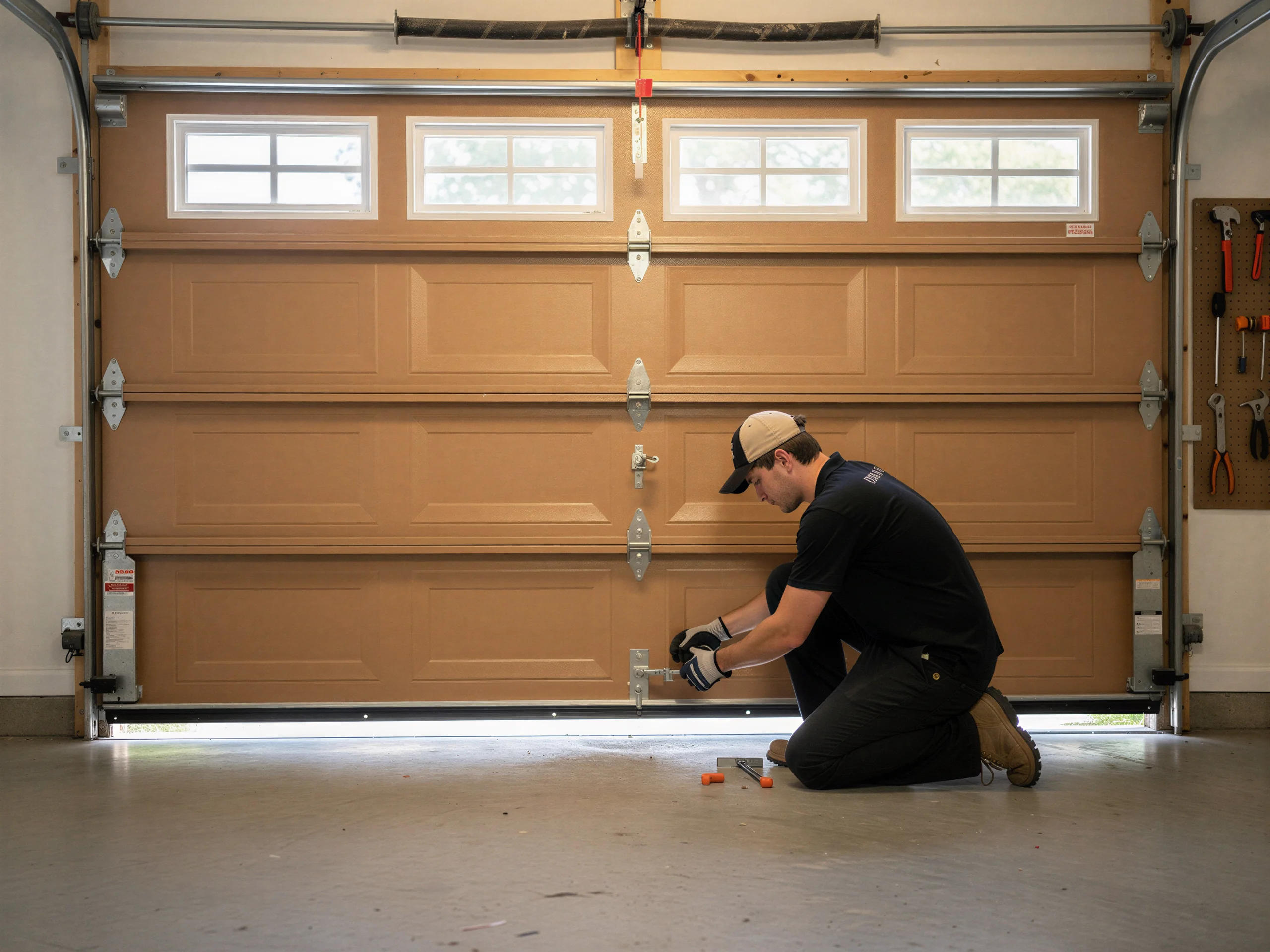
Garage Door Repair for Apple Valley's Older Torsion Hardware
Apple Valley's 1960s-70s housing stock means original torsion springs and openers are aging out fast. Learn more →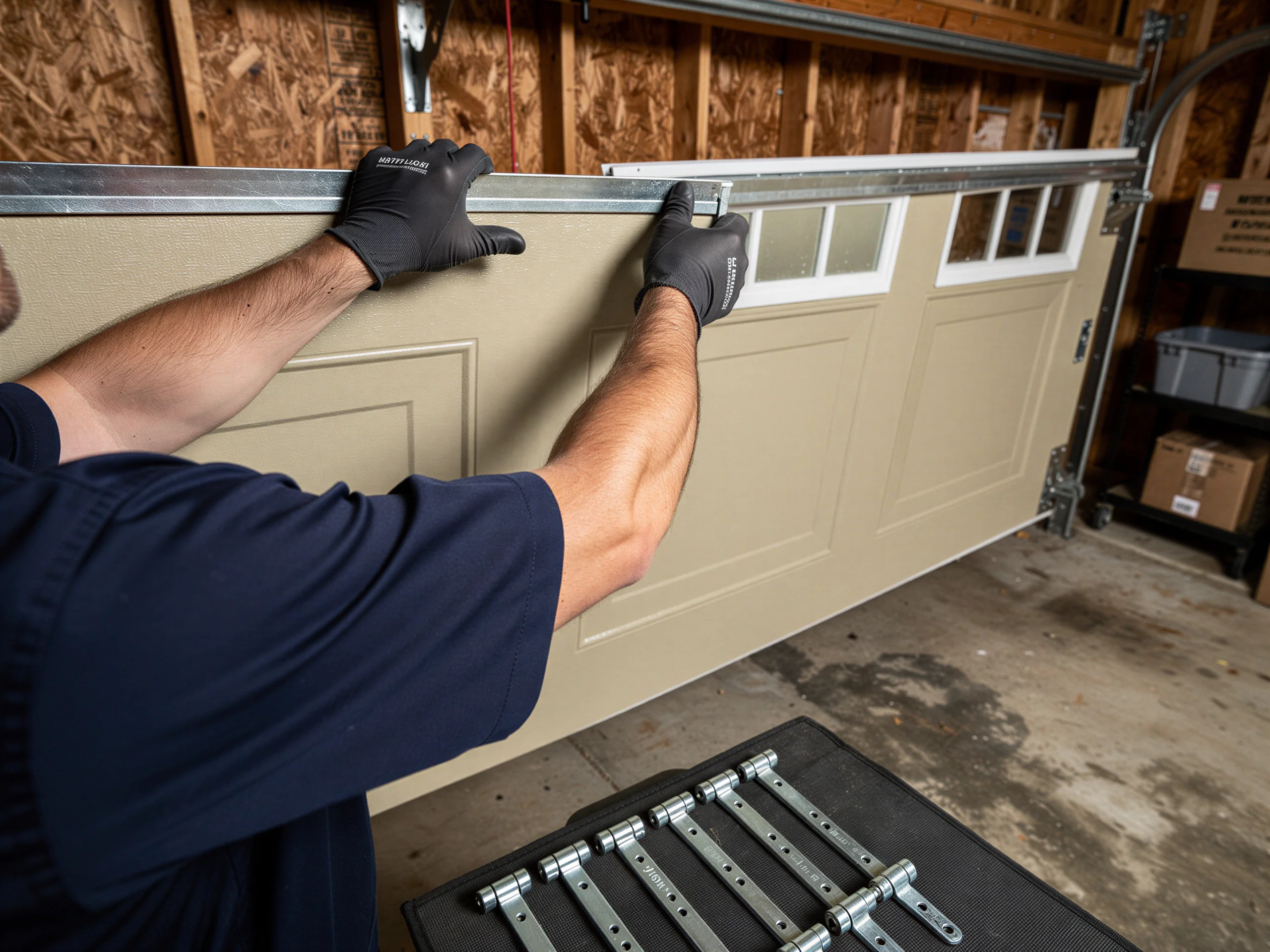
Garage Door Panel Replacement for Apple Valley Homes
Dented or cracked garage door panel in Apple Valley? Learn more →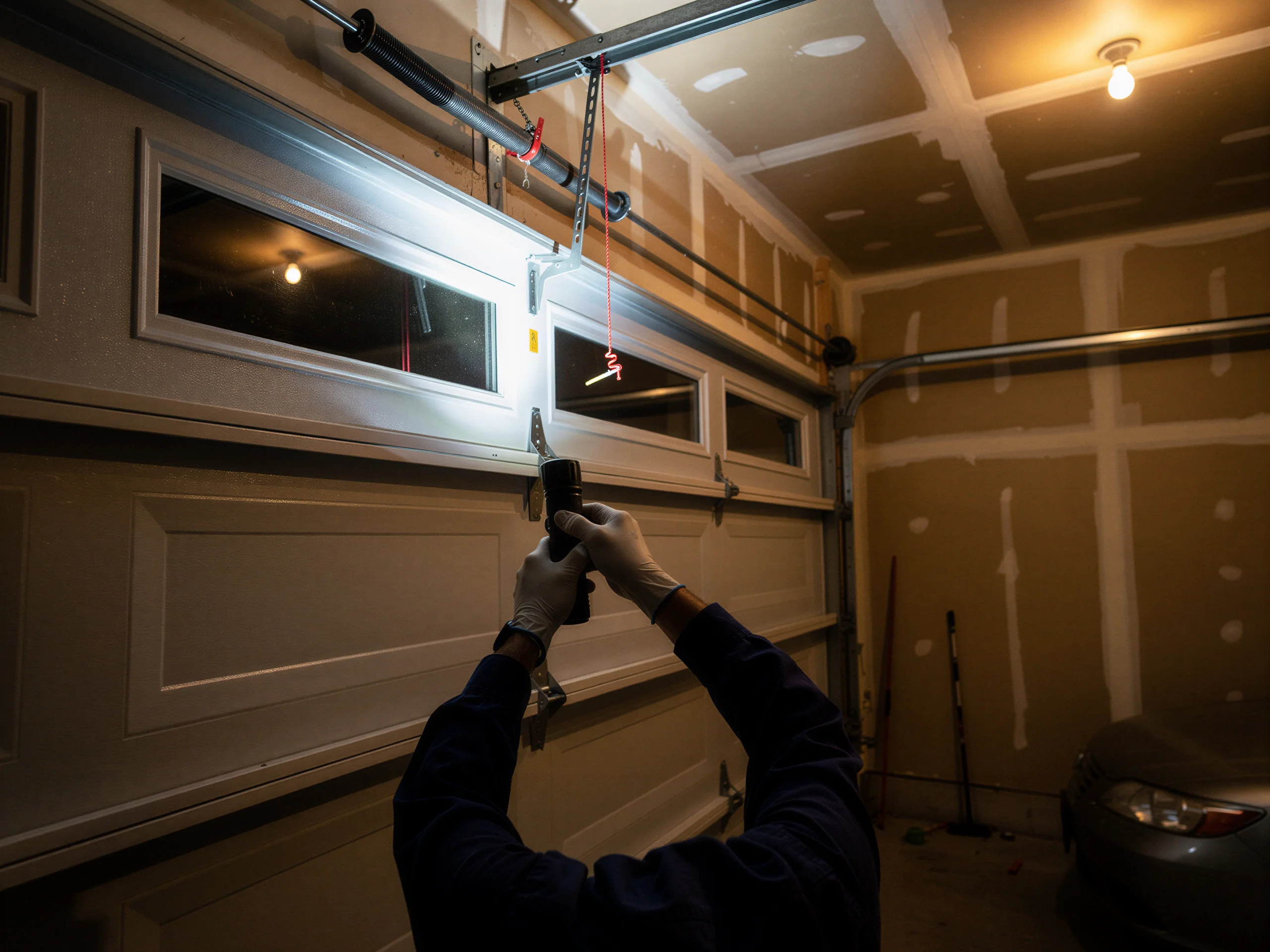
Emergency Garage Door Repair, Apple Valley and the Surrounding Area
24-hour garage door repair for Apple Valley homes built in the 1960s-70s boom, where cold-snap spring failures and worn torsion hardware are the most common late-night calls. Learn more →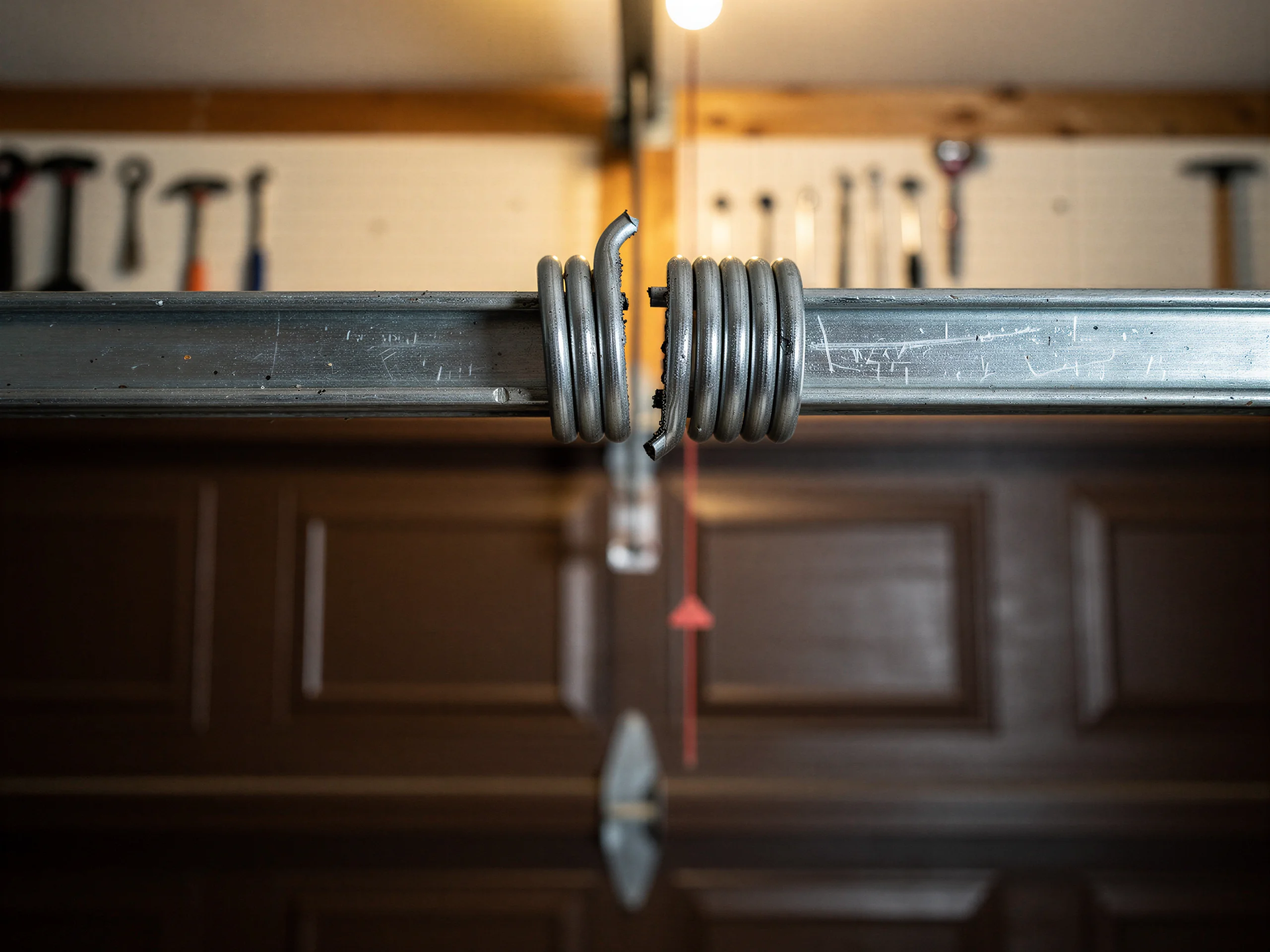
Garage Door Spring Repair Around Apple Valley
Torsion and extension spring repair for Apple Valley homes built mostly in the 1960s and 70s. Learn more →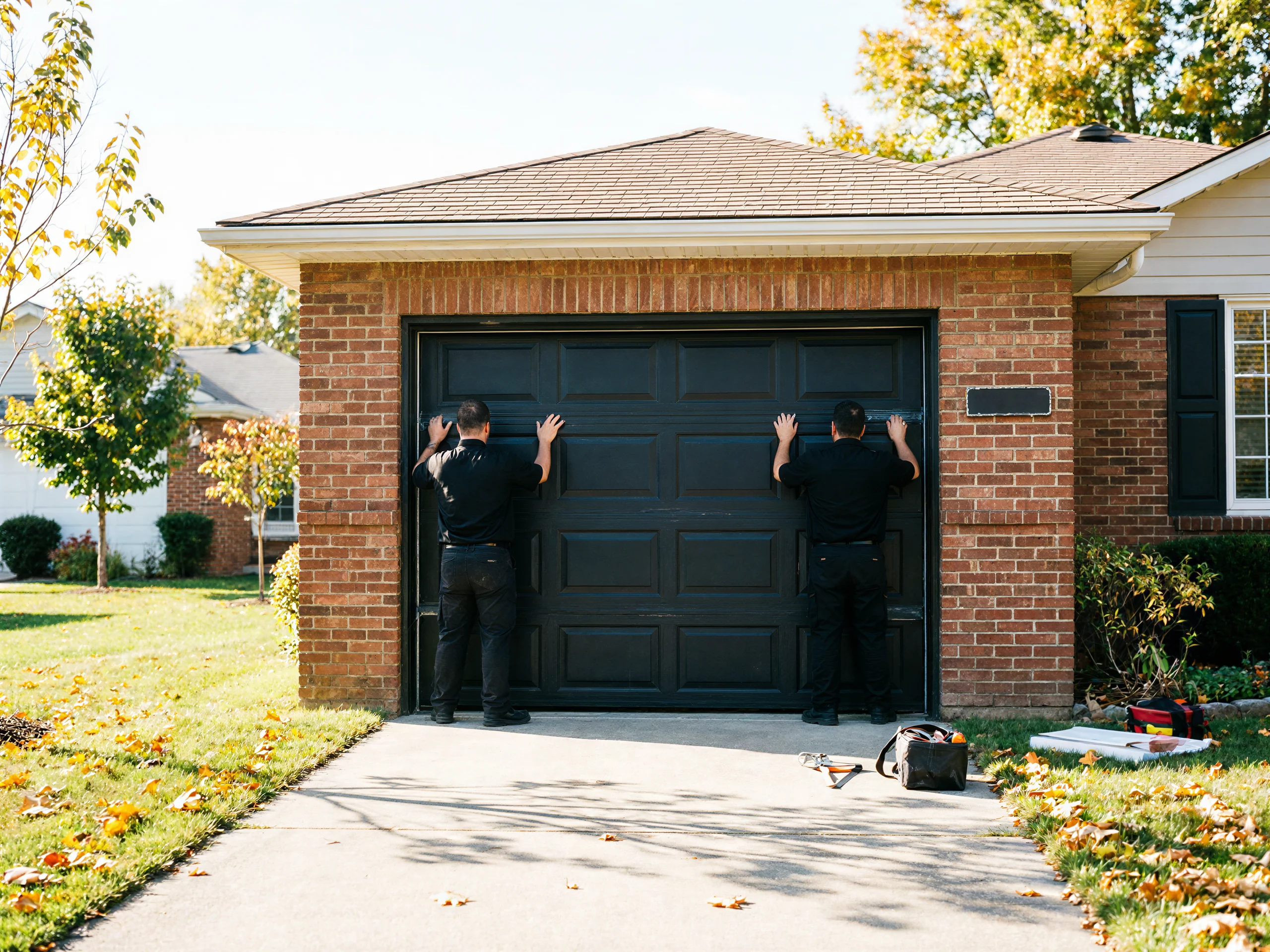
Garage Door Installation for Apple Valley's 1960s and 70s Housing Stock
Installing a garage door on a house built between 1955 and 2004 in Apple Valley means matching the old opening, not just the new door. Learn more →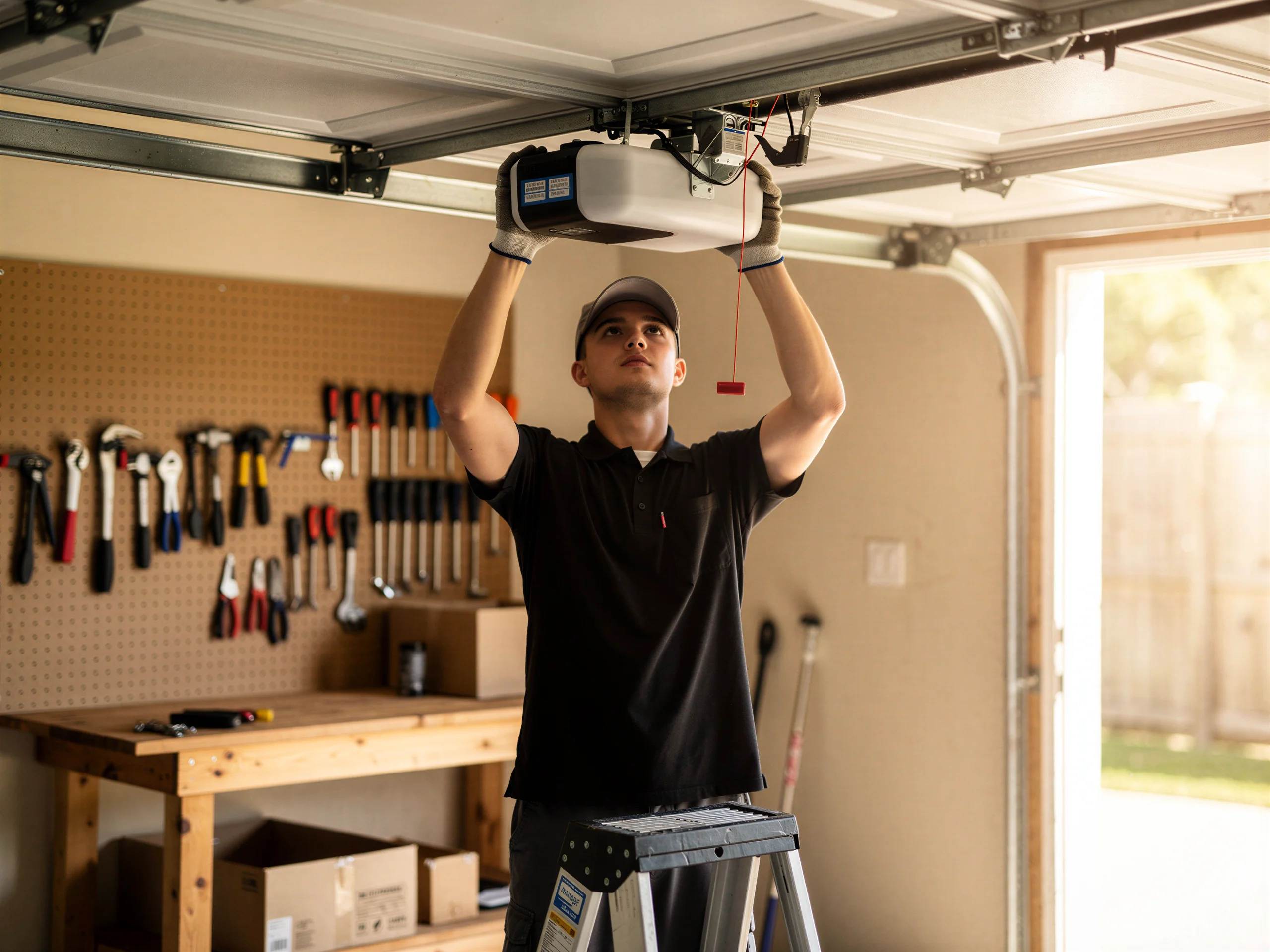
Opener Installation for Apple Valley Homes
Opener installation sized for Apple Valley's 1960s-90s housing stock and cold winters, serving homes from Coates to Mendota Heights with openers matched to door weight and track age. Learn more →Ready when you are
Need a garage door sorted in Apple Valley?
Apple Valley Garage Door Pros repairs and installs garage doors, springs and openers in Apple Valley, MN and the surrounding area.