Apple Valley, MN
Emergency Garage Door Repair, Apple Valley and the Surrounding Area
24-hour garage door repair for Apple Valley homes built in the 1960s-70s boom, where cold-snap spring failures and worn torsion hardware are the most common late-night calls.
Doing It Yourself
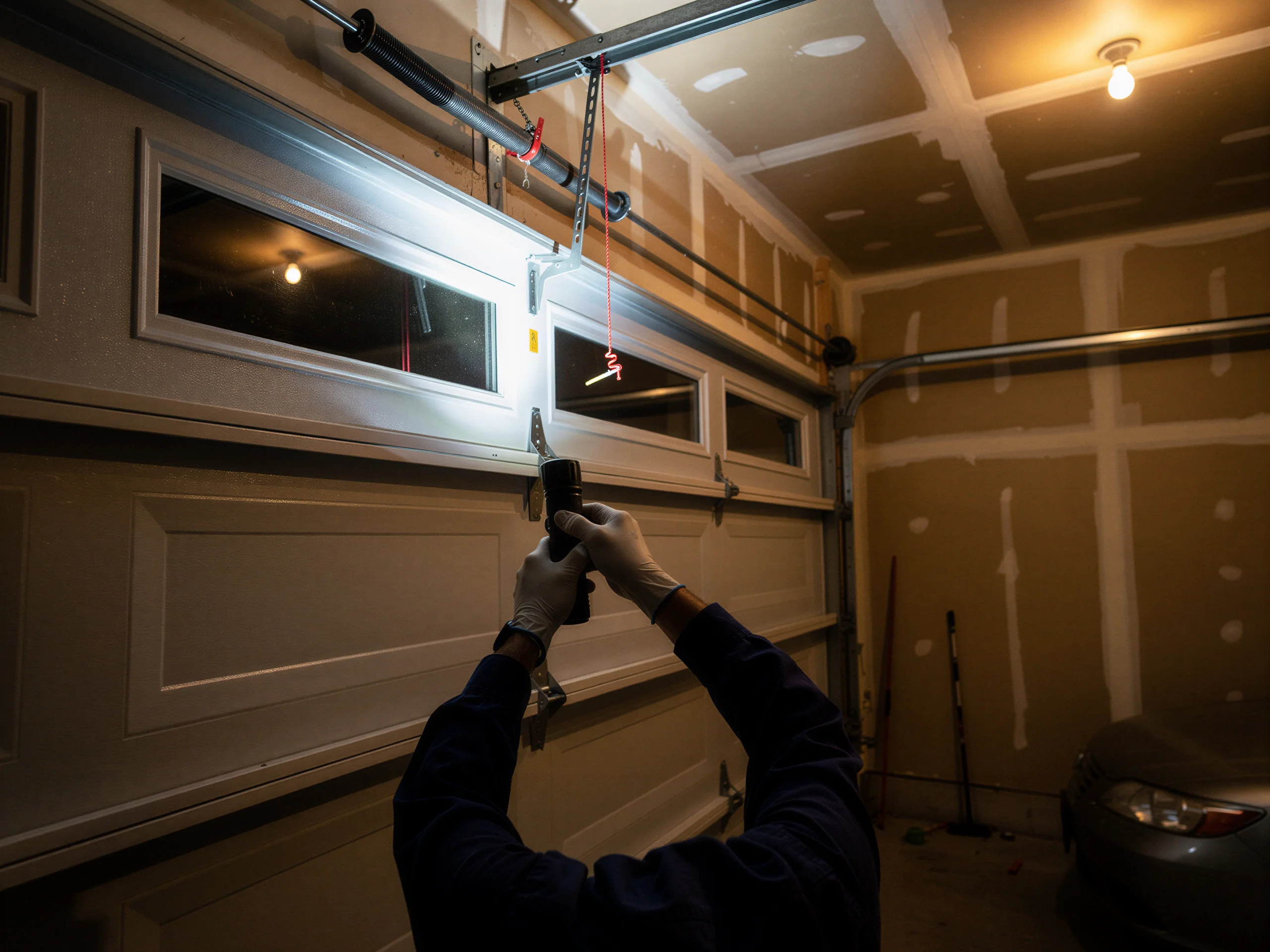
If the door won't move and the opener light is blinking, you can usually rule out a few things before calling anyone. Check that the manual release cord hasn't been pulled - that disconnects the opener from the carriage and lets the door swing free, which some homeowners trip over without noticing.
Visual track inspection
Look at the tracks for anything obvious: a bent section, a roller that's popped out, a cable that's gone slack and looped on itself. None of that is a fix you should attempt past a certain point. What you should never touch is a torsion spring under tension.
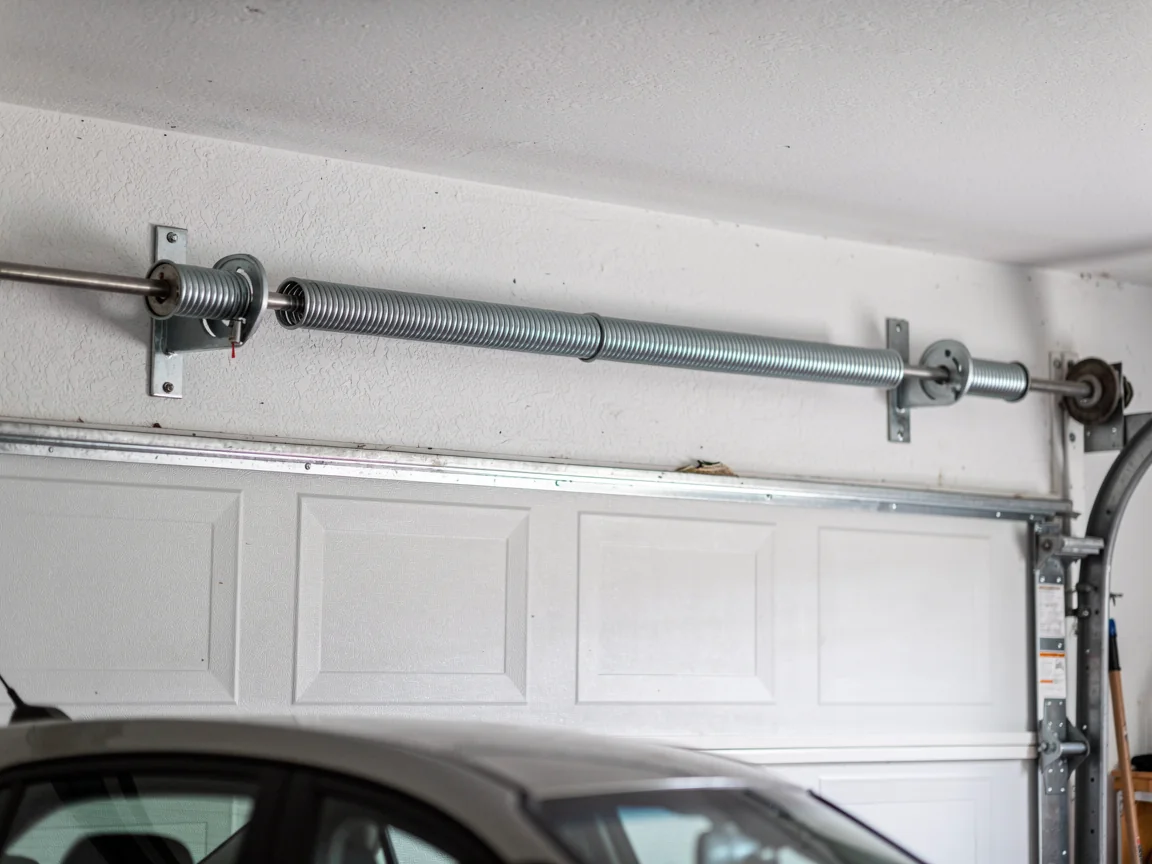
Spring stored energy danger
These sit above the door on a shaft, wound tight enough to lift 150-plus pounds of wood or steel, and they fail without much warning. In housing built between 1955 and 2004 - which covers most of the stock across this service area - a lot of those springs are original or one replacement cycle in, and by now plenty are past due.
Broken spring means stop
If the spring is broken (you'll see a visible gap in the coil, or the door will feel impossibly heavy on one side), stop. That's a call, not a weekend project. The honest limit here: we don't talk anyone through torsion spring work over the phone. It's not a liability dodge - it's that the failure mode for a DIY attempt on these is a trip to urgent care, not a redo.
Where This Job Goes Sideways
Most emergency calls start simple and stay simple - a snapped cable, a spring that let go, a sensor knocked out of alignment. Where it goes sideways is when someone keeps hitting the opener button after the door has already stopped moving correctly.
Opener strain on damage
The opener doesn't know the cable is slack or the spring is gone; it just keeps pulling, and that's how a cracked panel turns into a bent track, or a jammed roller turns into a stripped gear on the opener itself. The other way this gets expensive fast is cold.
Cold snap failures
In a climate band like this one - solidly cold, with real winter stretches - metal contracts, lubricant stiffens, and a spring or cable that was already marginal tends to pick the coldest night of the week to fail. That's a big part of why emergency calls cluster in winter: it's not that doors break more often, it's that marginal parts finally give out when everything else is already tight and brittle.
Single spring mimics opener
If you've got a double-wide door on a home from the 1960s or 70s stock that's common across this area, a single broken spring on one side can look like the opener is dying when it's really just the spring. Misdiagnosing that and replacing the opener instead of the spring is the single most common costly mistake we see.
How It Shows Up
Usually it's one of three calls. The door won't open at all - opener runs but nothing moves, which points to a broken spring or a disconnected cable.
Stalls partway open
The door opens partway and stops - often a sensor issue or an obstruction, but on older torsion setups it can mean a cable has jumped the drum. Or the door comes down wrong - crooked, fast, or with a bang - which is almost always a cable or a spring on one side giving out while the other side holds.
Aging torsion hardware pattern
Across the roughly 112,625 households and 50,541 owner-occupied houses in this service area, the pattern holds pretty steady regardless of exact address: homes from the 1955-2004 build window are reaching the age where original torsion hardware, galvanized cable, and early-generation openers are simply worn out.
Emergency calls skew older
We see this on both single and double doors, and it doesn't care much whether the house is on a quiet side street or a busier road. We don't get many calls about brand-new doors failing. The emergency calls skew heavily toward houses old enough that the hardware has simply logged enough winters.
Why It Happens Here
The housing stock in this service area runs mostly 1955 to 2004, with a median build year around 1974 and the bulk of it concentrated in that 1960s-70s wave across the 21 named communities we cover. That means a huge share of garage doors are either original equipment or one replacement behind - springs, cables, and rollers that have had forty-plus winters to fatigue.
The cold band this region sits in matters more than people expect. Springs lose some of their flex in deep cold, lubricant thickens, and metal fatigue that's been building for years tends to cross the line on the coldest nights rather than spreading itself evenly across the calendar. That's the mechanical reason emergency calls aren't random - they follow the thermometer.
Income and household numbers don't drive spring failures, but they do shape how people handle them. With a median household income near $97,784 across the area, replacement parts and same-week repairs are generally within reach rather than a hardship - which is part of why most calls we get are for a fix, not a multi-week delay waiting to save up. That's a generalization across the service area, not a promise for every household.
Questions
Common questions
Is a broken spring really an emergency?
If the door is stuck shut, yes - that's a security and access problem, especially if it's your only way into an attached garage. If the door is stuck open, it's urgent but less dangerous. Either way, a broken torsion spring isn't something to leave overnight if you can avoid it.
Why do more doors break in winter?
Cold metal is less forgiving. A spring or cable that's been slowly fatiguing for years often holds through warmer months and then fails on a hard cold night, because the metal has less give left in it. It's the last straw, not a new problem.
Can I replace a torsion spring myself?
We don't recommend it and we don't walk people through it by phone. A wound torsion spring holds enough force to cause a serious injury if it releases wrong. It's one of the few garage door jobs we'd call a genuine do-not-DIY.
My door is from the 1970s - is that part of the problem?
Likely, yes. A lot of the housing in this area was built in that era, and original hardware from then is well past its expected service life. Age alone doesn't mean failure is imminent, but it does mean the parts have less margin left.
Explore more
Explore More Services In Apple Valley, MN
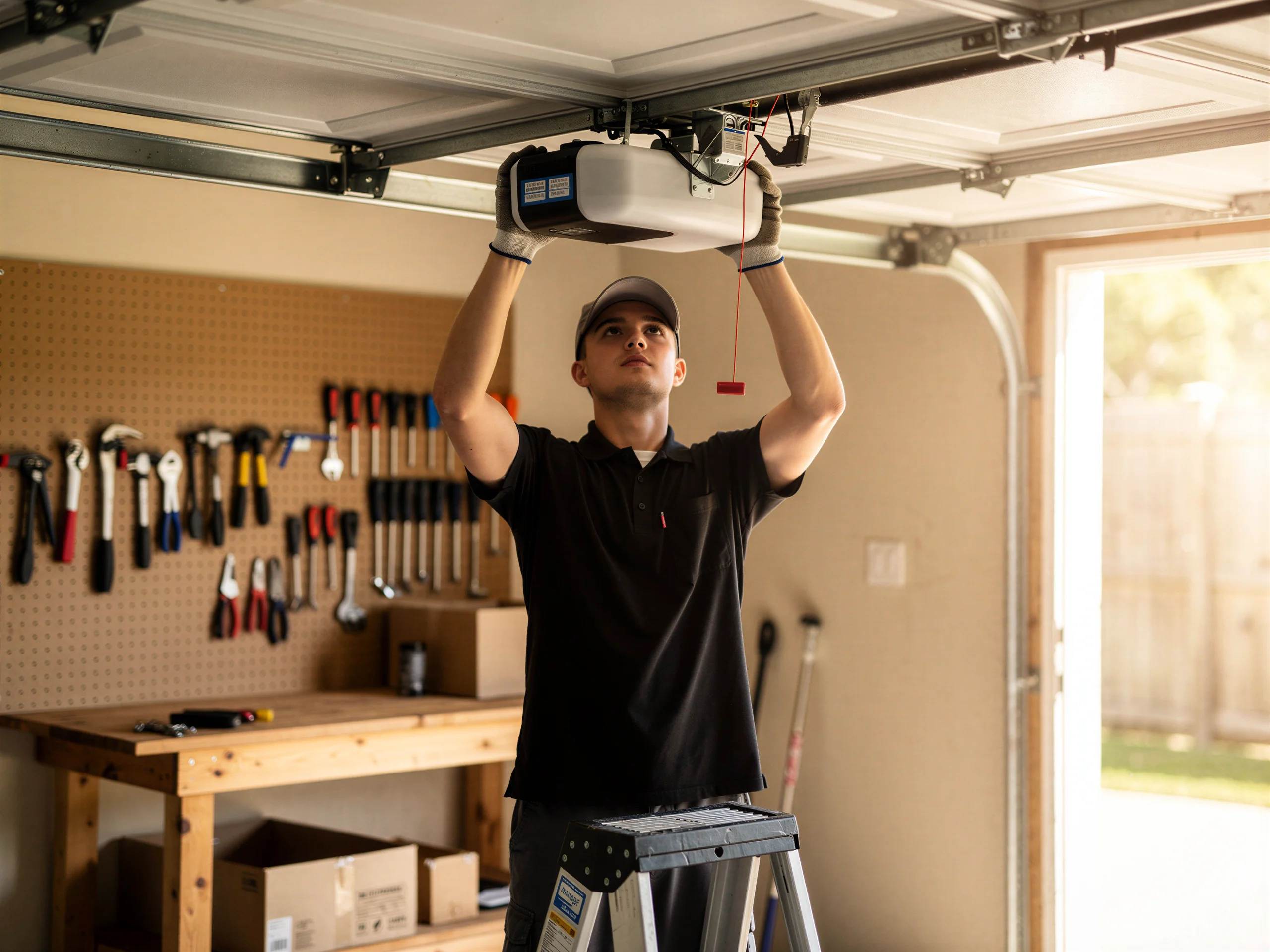
Opener Installation for Apple Valley Homes
Opener installation sized for Apple Valley's 1960s-90s housing stock and cold winters, serving homes from Coates to Mendota Heights with openers matched to door weight and track age. Learn more →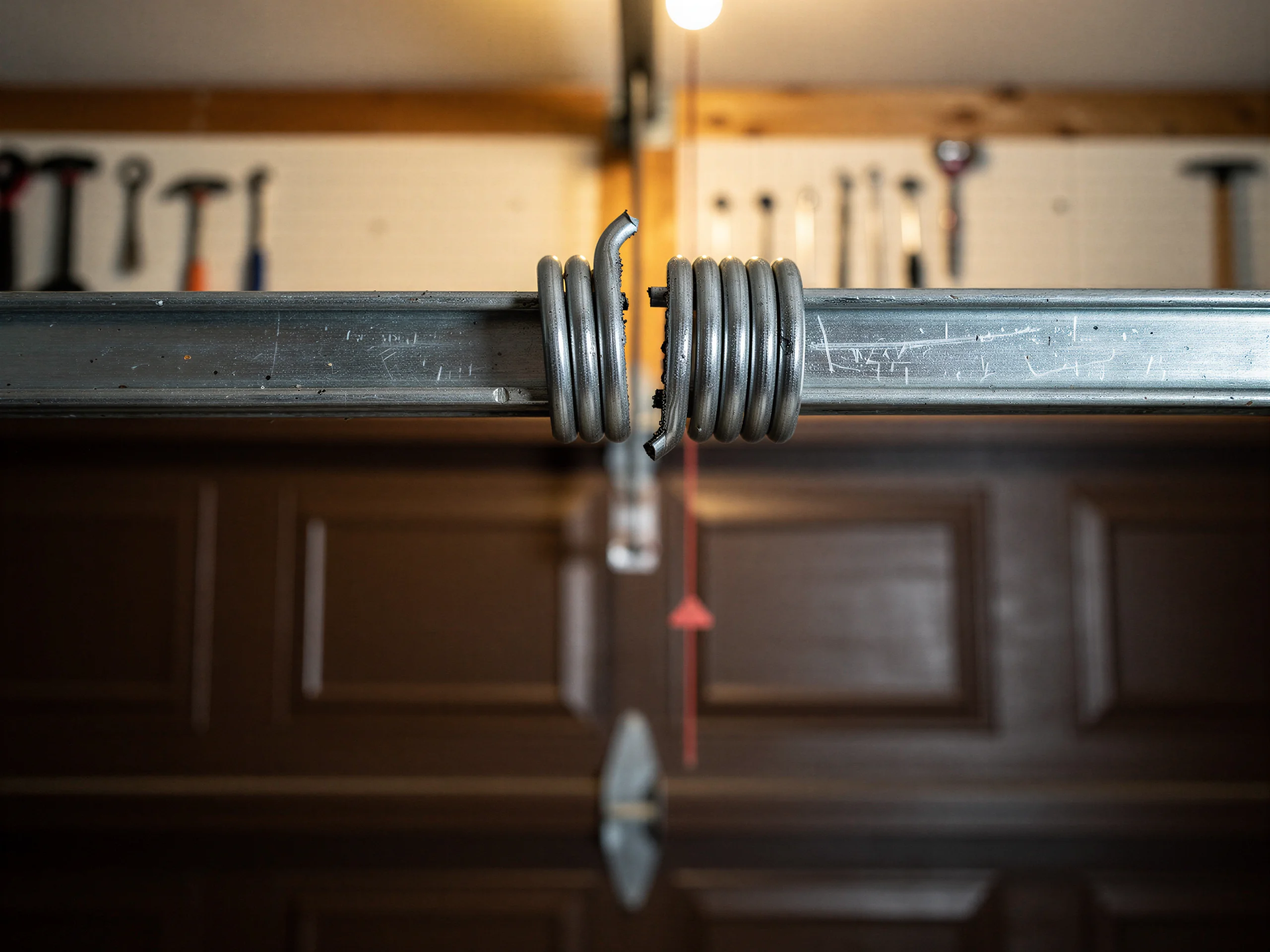
Garage Door Spring Repair Around Apple Valley
Torsion and extension spring repair for Apple Valley homes built mostly in the 1960s and 70s. Learn more →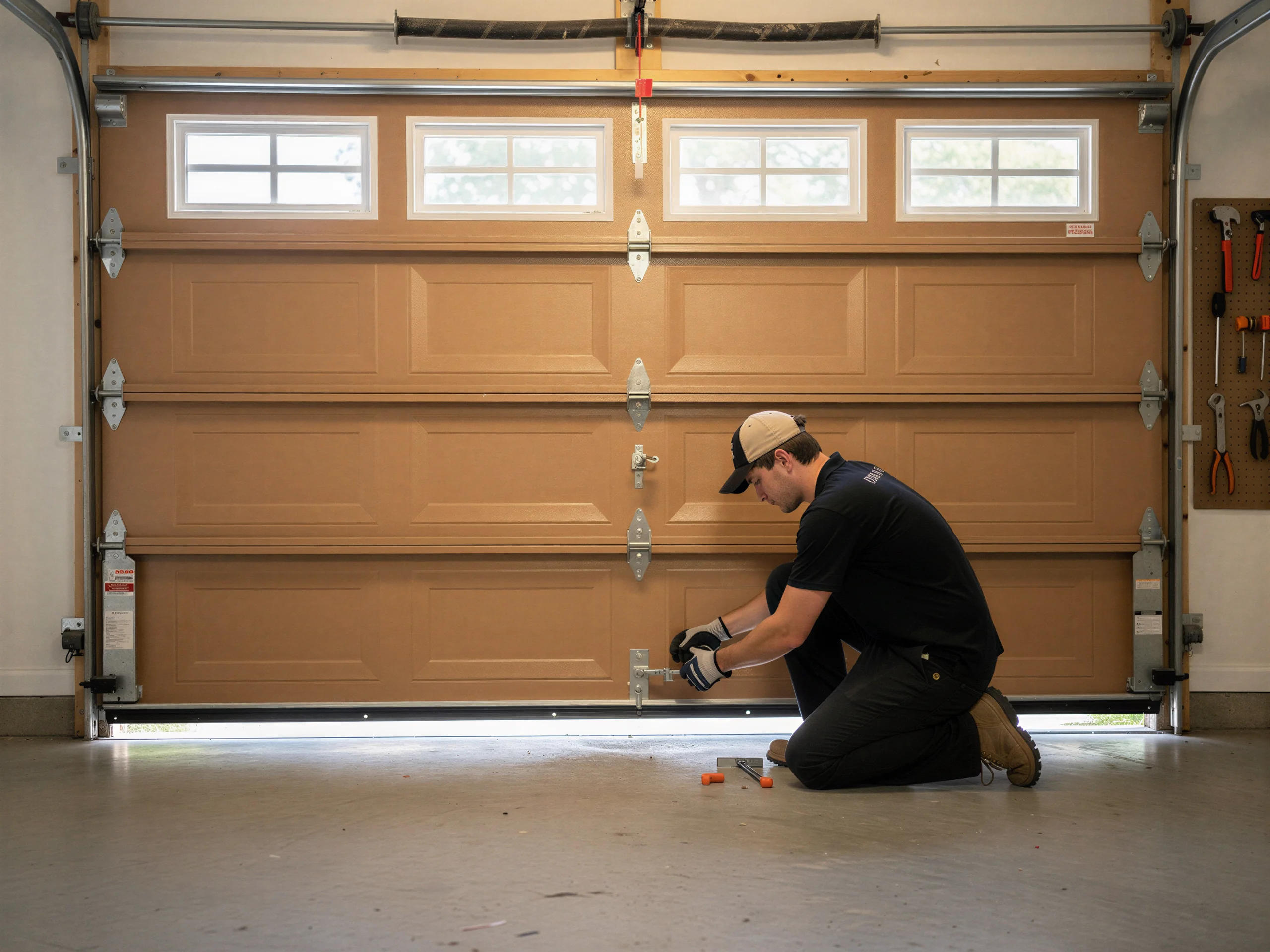
Garage Door Repair for Apple Valley's Older Torsion Hardware
Apple Valley's 1960s-70s housing stock means original torsion springs and openers are aging out fast. Learn more →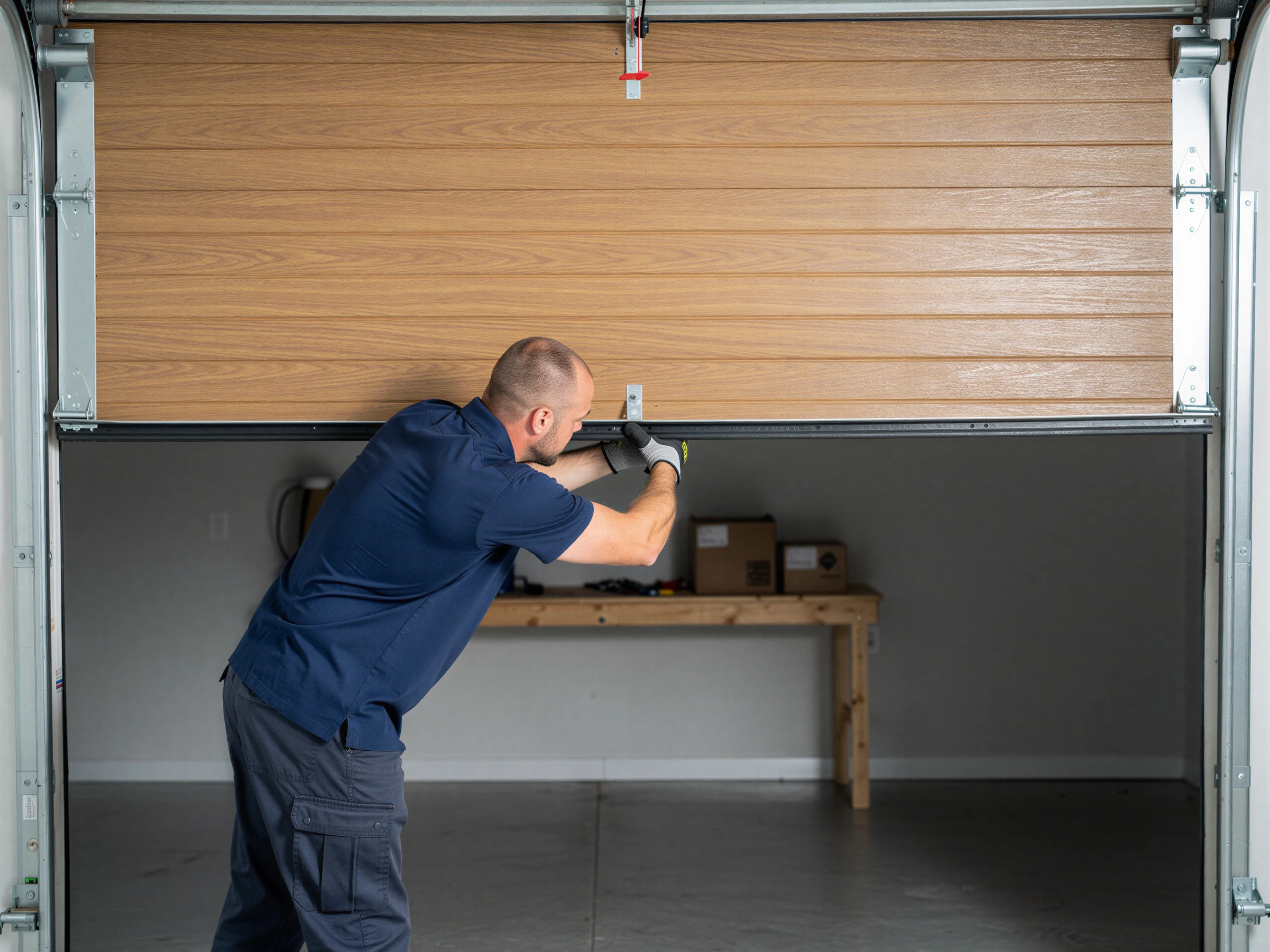
Garage Door Service for Apple Valley's Older Torsion Systems
Apple Valley homes built between 1955 and 2004 run original torsion springs and tracks that weren't made for Minnesota cold. Learn more →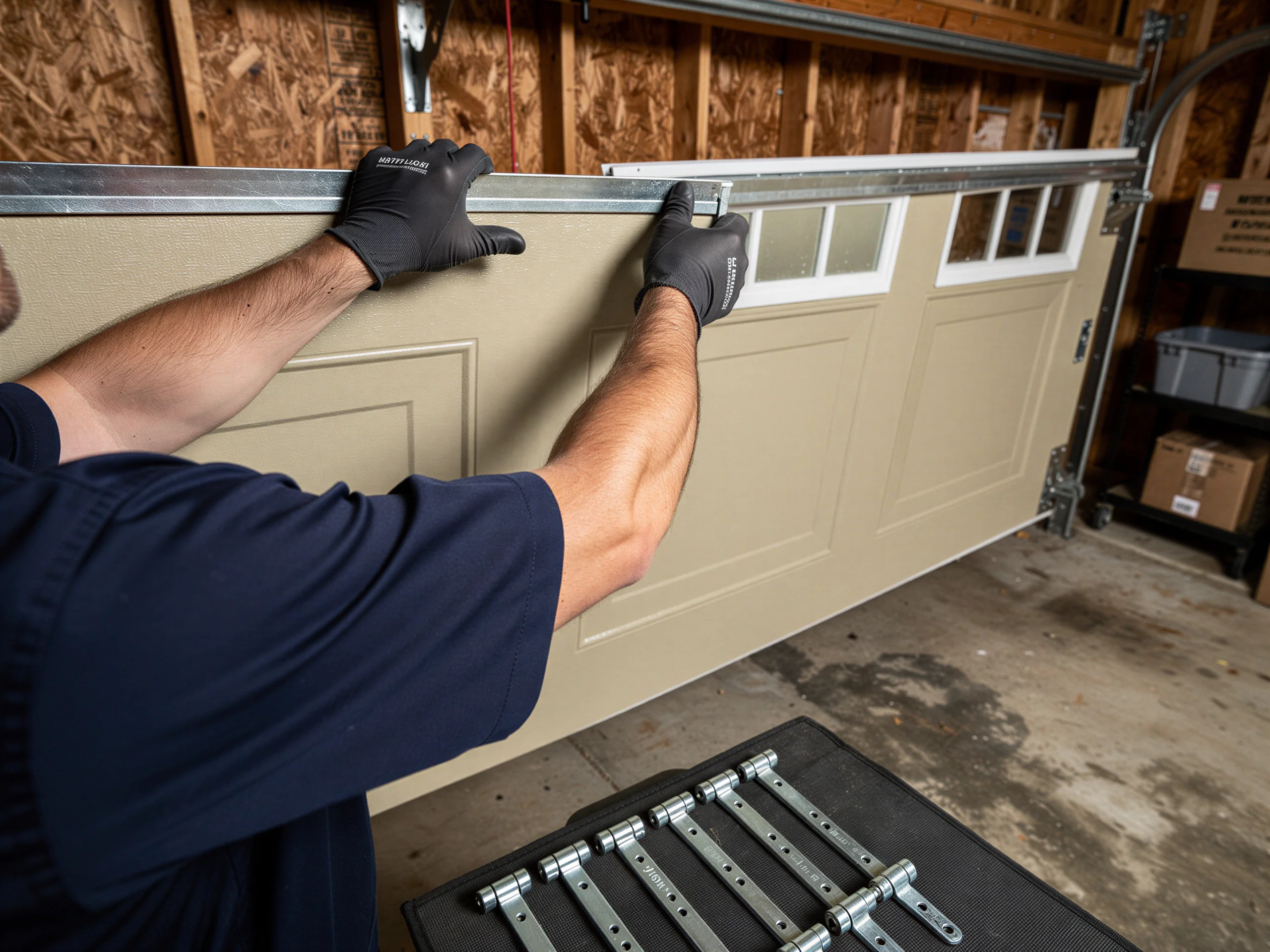
Garage Door Panel Replacement for Apple Valley Homes
Dented or cracked garage door panel in Apple Valley? Learn more →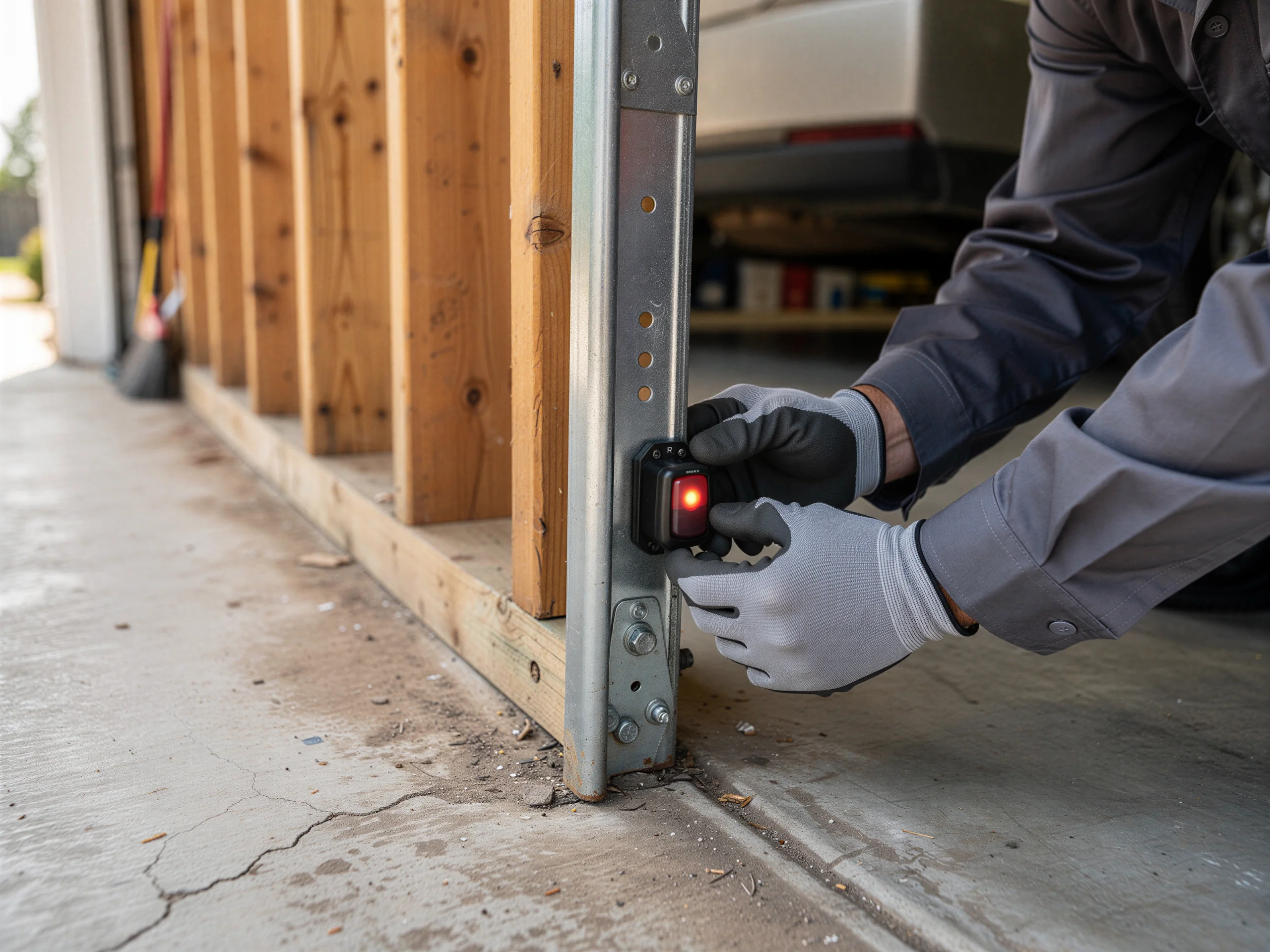
Garage Door Opener Repair, Apple Valley and Nearby
Opener won't close, reverses, or runs but the door won't move? Learn more →Ready when you are
Need a garage door sorted in Apple Valley?
Apple Valley Garage Door Pros repairs and installs garage doors, springs and openers in Apple Valley, MN and the surrounding area.