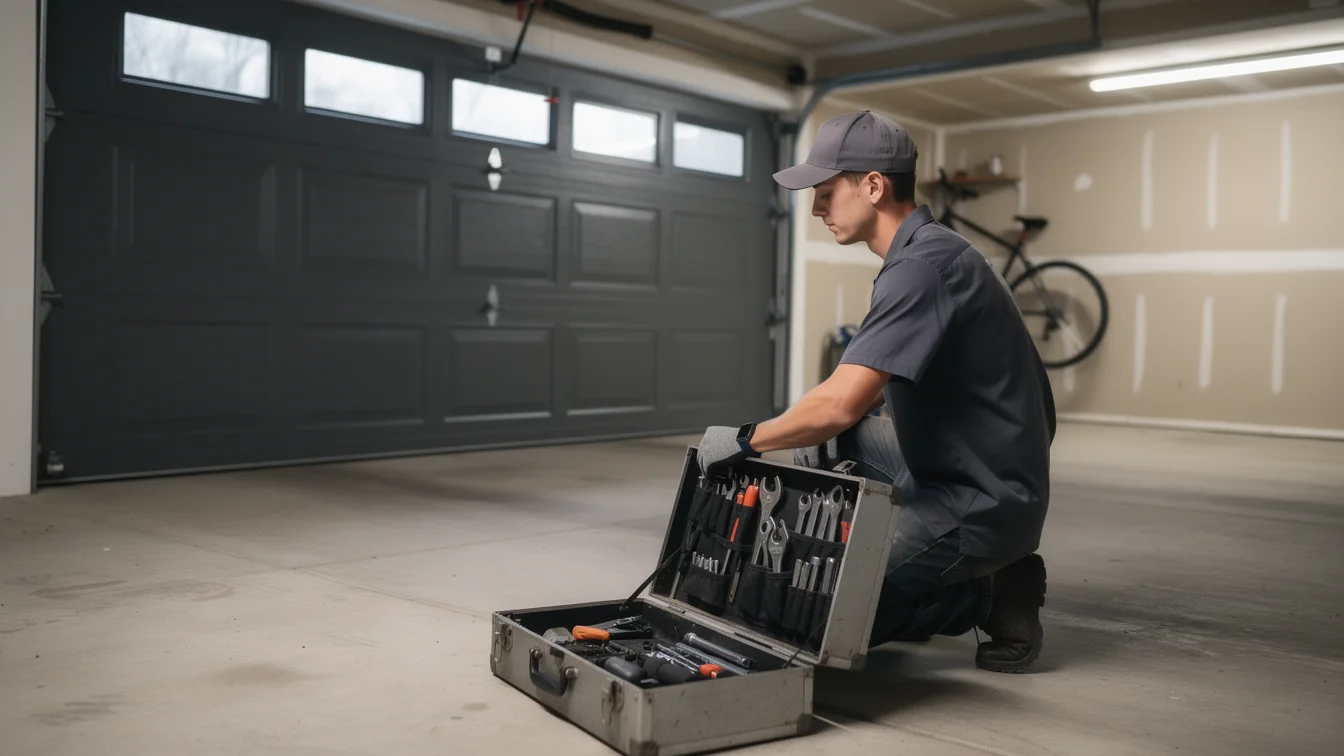
What Actually Happens When We Show Up for a Service Call
Apple Valley Garage Door Pros explains exactly what's inspected, tested, and fixed on a service call for the area's 1960s-70s housing stock and cold winters.
Read moreA look at when a garage door from Apple Valley's 1955-2004 housing stock is worth repairing versus replacing, based on local winters and part age.
Local detail
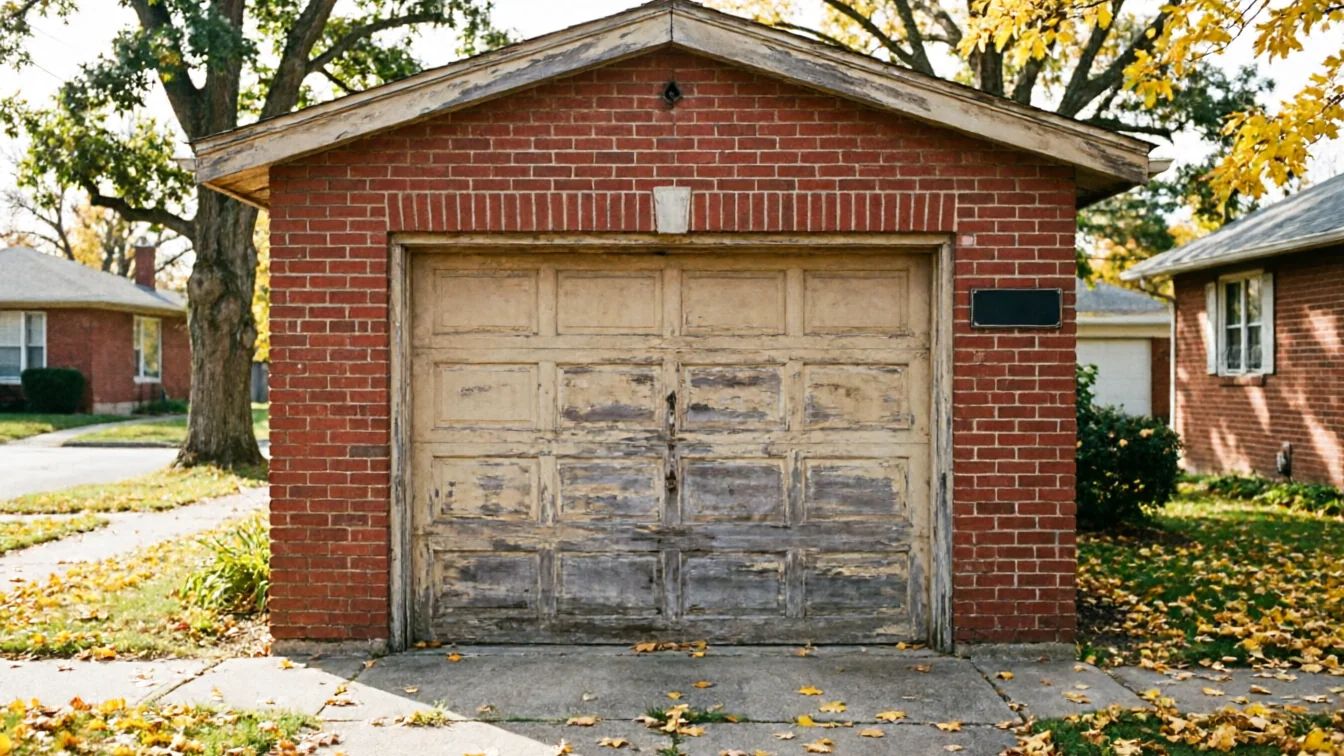
Most of the houses we get called to in Apple Valley went up between 1955 and 2004, with the median sitting around 1974. That means a lot of the doors still on their original hardware are pushing fifty years old, and a lot more are from the 1960s and 70s builds that make up the bulk of the stock across the area's 21 named neighborhoods. A door that age has usually been through several spring replacements already, maybe a track bend or two, and the opener - if it's even the original - is long past the point where parts are easy to find. The question we hear most isn't "can you fix this," it's "should you." With 50,541 owner-occupied houses in this service area and a median household income around $97,784, most owners can go either way on a repair-versus-replace call. That's actually the harder decision to make well, because nothing is forcing your hand. This page is about how we think through it, not a sales pitch for a new door.
The area
Start with the panels, not the opener. If the door is steel from the 1970s or 80s era of construction common here, check the bottom two panels for rust-through or dents that have cracked the paint down to bare metal - that's a structural issue, not cosmetic. Next, look at the track. Older homes in this area often have narrower stall clearances, and if a previous owner swapped a door without matching the track gauge, you'll see it rubbing or bowing under load. Then the springs: a torsion spring on a door this age has a rated cycle life, and if nobody's logged when it was last changed, assume it's near the end. Last, the opener chain or belt - on doors original to 1960s-70s builds, chain drive is still common, and a worn chain will show stretch you can see with the door half open. None of this takes a service call to check. It takes ten minutes and a flashlight, and it tells you which of the next two sections you're in.
What we find
Call before the door fails completely, not after. A torsion spring under tension that's starting to show a gap in the coils can let go without warning, and on a cold morning that's a bad time to find out. If the door is binding on the track rather than rolling smooth, don't force it with the opener - that's how you strip a gear or bend a rail past the point of a cheap fix. We'll be straight with you: if the door is original to a house built in the 1960s or early 70s, the opener is almost never worth repairing on its own. The motor technology from that era doesn't have parts support anymore, and a new opener install usually costs less than chasing down a replacement circuit board. The door itself is a different call - steel panels and torsion hardware from that same era can often be serviced rather than replaced, if the track and rollers are still square.
How we work
This area sits in a cold climate band, and that matters more for garage doors than people expect. Repeated freeze-thaw cycling is hard on weatherstripping and on the bottom seal especially - it's usually the first thing to fail on a door that's otherwise sound, and it's cheap to replace, so don't let a drafty garage talk you into a full door swap. Cold also thickens grease in old rollers and hinges, which is why a door that rolled fine in September can feel sluggish and noisy by January; that's often a lubrication problem, not a structural one. Where it gets more serious is on steel doors with thin-gauge panels from the earlier end of the 1955-2004 build range - extended cold snaps can make brittle, aged steel crack at stress points around hinge brackets. If you're hearing a new pop or crack sound on cold mornings specifically, that's worth a look before it's a bigger repair.
Questions
Often, yes - the door panel and track hardware from that era can usually be serviced if the steel isn't rusted through and the track is still square. The opener is a separate call; motors that old rarely have parts support, so a new opener install is usually the better move even when the door itself gets repaired.
Cold thickens old grease in rollers and hinges, which slows the door down and makes it louder. It's a common issue on doors original to houses built in the 1960s-70s, and it's usually a lubrication fix, not a sign the door needs replacing.
Look for a visible gap opening up between coils, or rust along the spring itself. If nobody's tracked when it was last replaced and the door is original to an older build, assume it's close and have it looked at before it fails rather than after.
No. A worn bottom seal or brittle weatherstripping is the most common cold-weather failure on older doors here, and it's a low-cost swap. Full replacement only makes sense once the panels or track hardware are failing too.
Recommendation
More garage door guides for Apple Valley homeowners.
Apple Valley Garage Door Pros explains exactly what's inspected, tested, and fixed on a service call for the area's 1960s-70s housing stock and cold winters.
Read more
Why Apple Valley's 1960s-90s housing stock and cold winters push torsion springs to fail now, and what to check before you call for a repair.
Read more
Apple Valley homes built mostly between 1955 and 2004 wear differently in cold Minnesota winters, and each noise your door makes points to a different cause.
Read moreReady when you are
Apple Valley Garage Door Pros repairs and installs garage doors, springs and openers in Apple Valley, MN and the surrounding area.