Apple Valley, MN
Garage Door Repair for Apple Valley's Older Torsion Hardware
Apple Valley's 1960s-70s housing stock means original torsion springs and openers are aging out fast. Cold winters make broken springs an emergency, not a delay.
Doing It Yourself
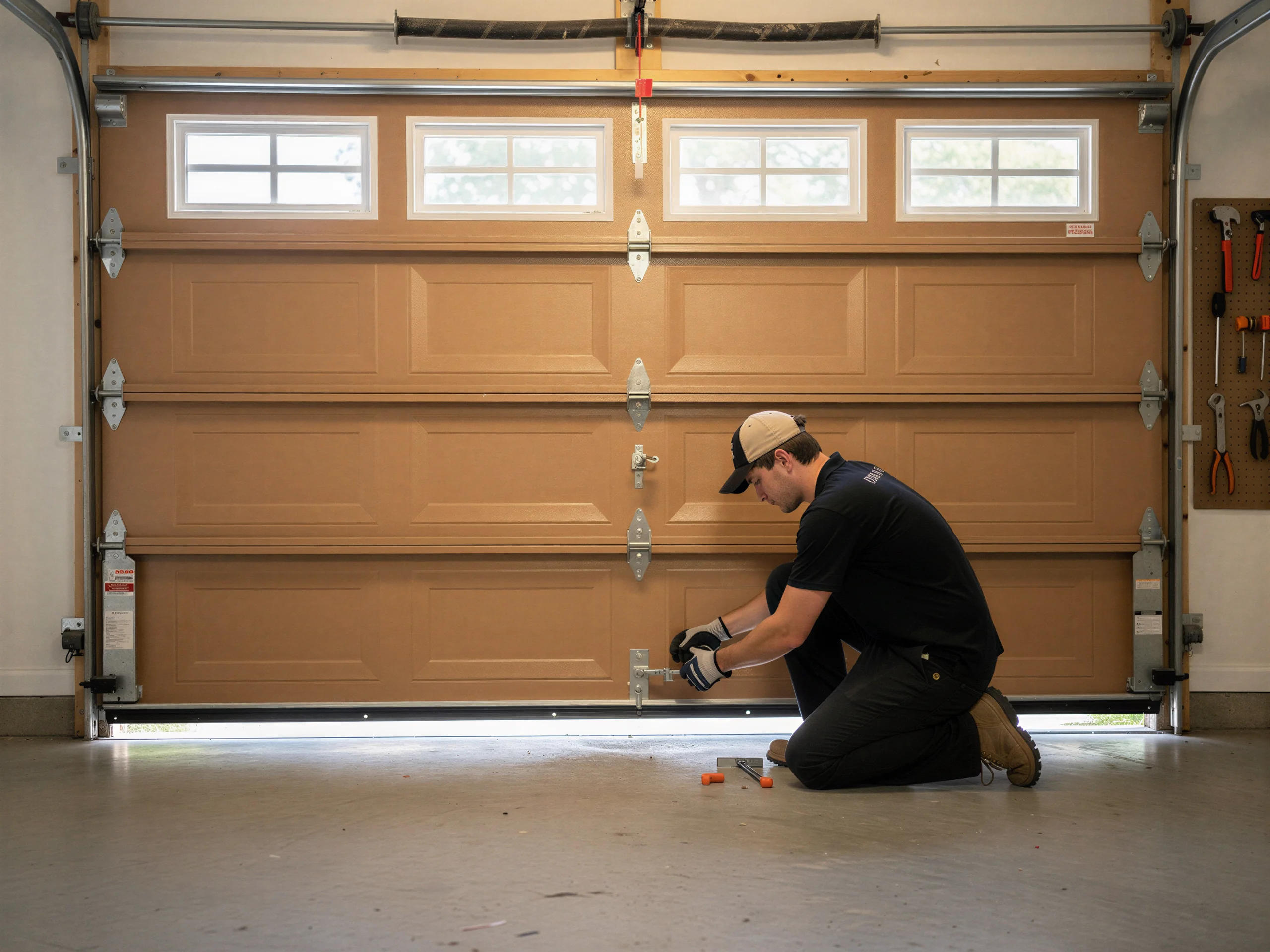
A garage door that won't open isn't always a job for a wrench and a YouTube video. If the door is heavy to lift by hand with the opener disconnected, the spring is doing its job, or it's already broken and the opener is straining to compensate.
Spring tension hazards
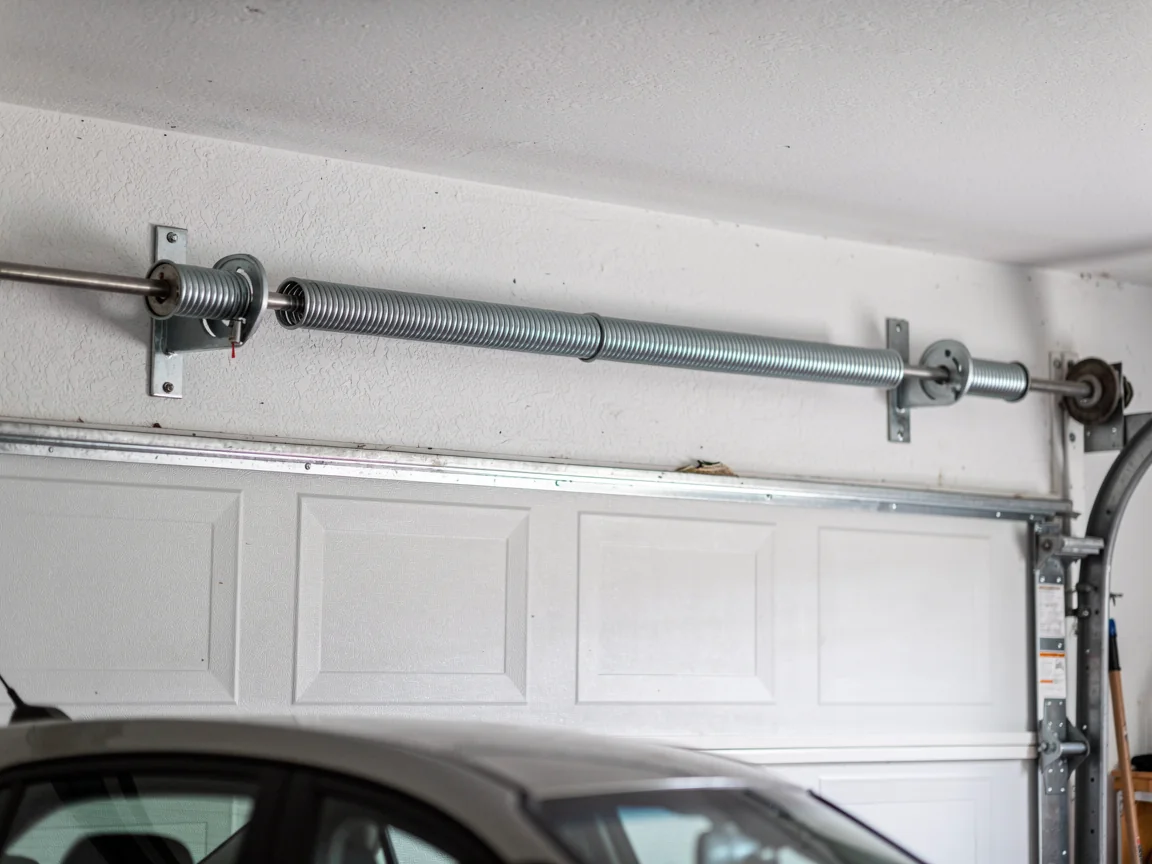
That's not a DIY repair - torsion springs are under enough tension to break bones if the winding bars slip, and most houses in this part of the service area still run the original torsion setup from when they were built, somewhere in the 1955 to 2004 range with a lot of that stock from the 1960s and 70s.
Safe homeowner checks
What you can safely check yourself: the track for visible dents, the photo-eye sensors near the floor for dust or misalignment, and the weatherstripping along the bottom panel. If the door reverses before it touches the floor, that's almost always a sensor issue, not a spring issue, and you can usually clear it by wiping the lenses and making sure nothing's blocking the beam.
Lubrication as DIY
Lubricating rollers and hinges with a garage-door-specific lubricant is fair game too. Past that - spring tension, cable replacement, opener gear repair - the cost of a mistake is higher than the cost of a call.
Where This Job Goes Sideways
The most common way this goes wrong is a homeowner noticing the door is slow or noisy, deciding it can wait, and then having the second spring on a double-spring door let go in the middle of a cold snap.
Overloaded single spring
One spring doing the work of two accelerates the failure of whatever's left, and in homes with original 1960s-70s hardware the second spring is usually close behind the first.
Repair scope creep
The other way it goes sideways is scope creep on the repair itself: a worn spring stresses the bearing plate, and a worn bearing plate chews up the shaft, so a job that should've been a spring swap turns into a shaft and bearing replacement because it sat too long.
Full system replacement math
We'll be straight with you here - if the opener, springs, and track are all original and all near the end, replacing the door system is often the better math than patching it piece by piece, and parts for some of the older opener models from that era aren't something we can always get quickly.
How It Shows Up
In a house built in that 1955-2004 window - median year 1974 across this area - the usual sign isn't total failure out of nowhere.
Louder door warning signs
It's a door that's gotten louder over a few weeks, a gap at the top where the panel doesn't sit flush anymore, or the opener motor running longer than it used to before the door actually lifts.
Temperature-driven tension loss
On colder mornings, steel coil springs lose a measurable amount of tension as the temperature drops, and in this climate band that's a real swing from a mild fall day to a January cold snap.
Winter lift failure
So the door that was merely noisy in October becomes the door that won't lift at all in January, often on the coldest morning of the stretch, because that's when the spring is weakest and the opener has the least margin left. If you hear a bang from the garage and the door won't move, that's a spring that's let go, not an opener failure, even though the opener gets blamed first.
Why It Happens Here
This area's housing stock skews older - most of it went up in the 1960s and 70s, with the overall range running 1955 to 2004 across the 21 named neighborhoods that make up this service area. A torsion spring has a rated cycle life, and a spring installed when a house was built in 1968 has had five decades of winters to use those cycles up, regardless of how well the door was maintained. Add a cold climate where steel contracts and loses tension seasonally, and the failure point shows up earlier here than it would in a mild-climate market with the same age of house. With roughly 50,541 owner-occupied houses across a service area of this size, a lot of garages are carrying original hardware well past the point most manufacturers rate for safe operation. That's not a defect specific to any one house - it's what happens when a housing boom from one era meets forty-plus winters without anyone replacing the springs.
Questions
Common questions
Why did my garage door spring break on such a cold morning?
Steel springs lose tension as temperatures drop, so a spring that was already near the end of its rated life has the least margin left on the coldest days. Combined with original hardware common in homes built in the 1960s and 70s around here, cold mornings are when years of wear finally show up as a snapped spring.
Is it ever not worth repairing an old garage door?
If the opener, springs, and track are all original to a house built decades ago and all showing wear at once, patching one part often just shifts the strain to whatever's next. At that point replacing the door system can cost less over time than a series of individual repairs.
How do I know if it's the spring or the opener?
Disconnect the opener and try lifting the door by hand. If it's heavy or won't stay up on its own, the spring isn't doing its job. If it lifts easily by hand but the opener still won't run it, the problem is electrical or in the opener's gearing, not the spring.
Explore more
Explore More Services In Apple Valley, MN
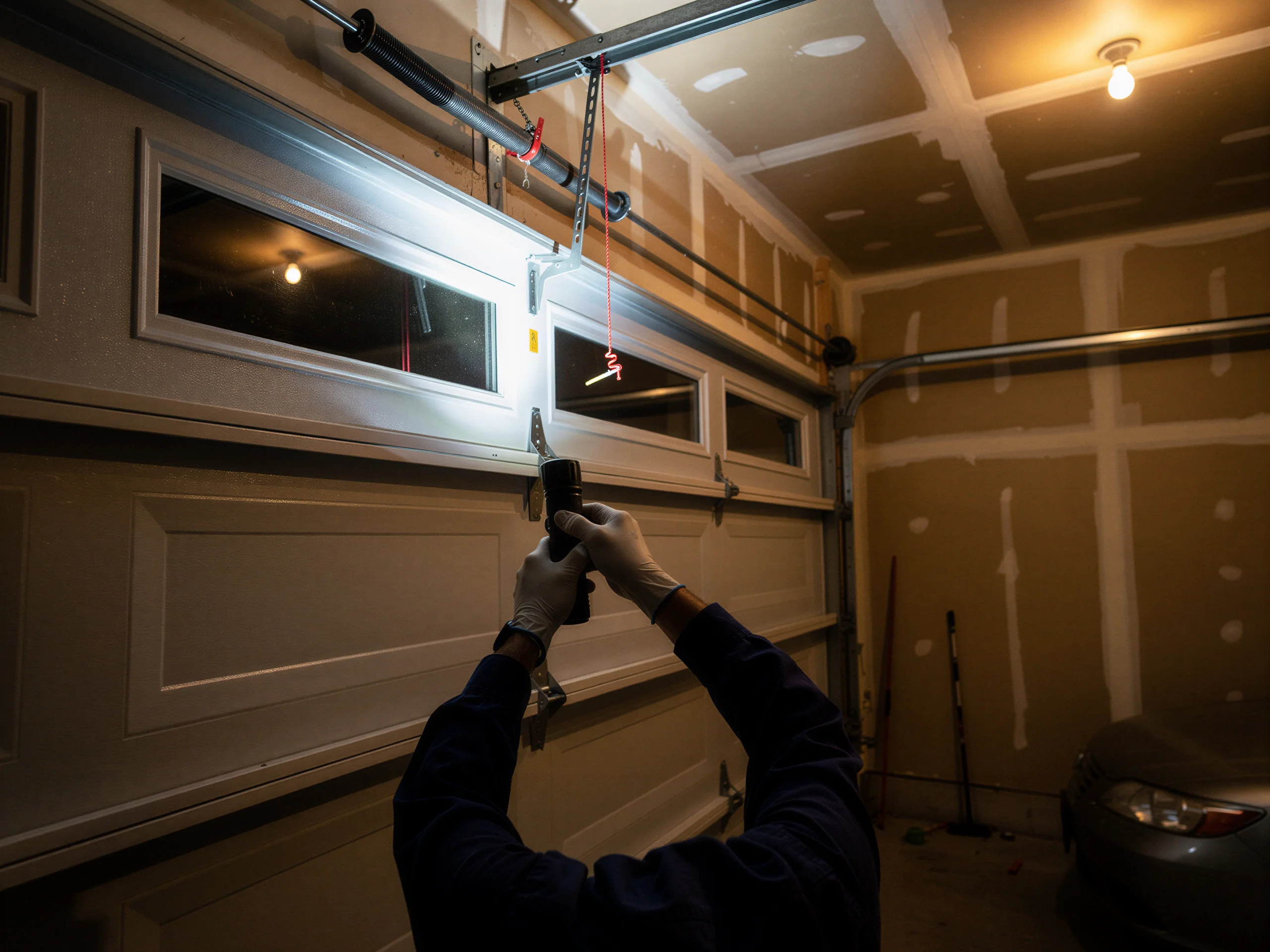
Emergency Garage Door Repair, Apple Valley and the Surrounding Area
24-hour garage door repair for Apple Valley homes built in the 1960s-70s boom, where cold-snap spring failures and worn torsion hardware are the most common late-night calls. Learn more →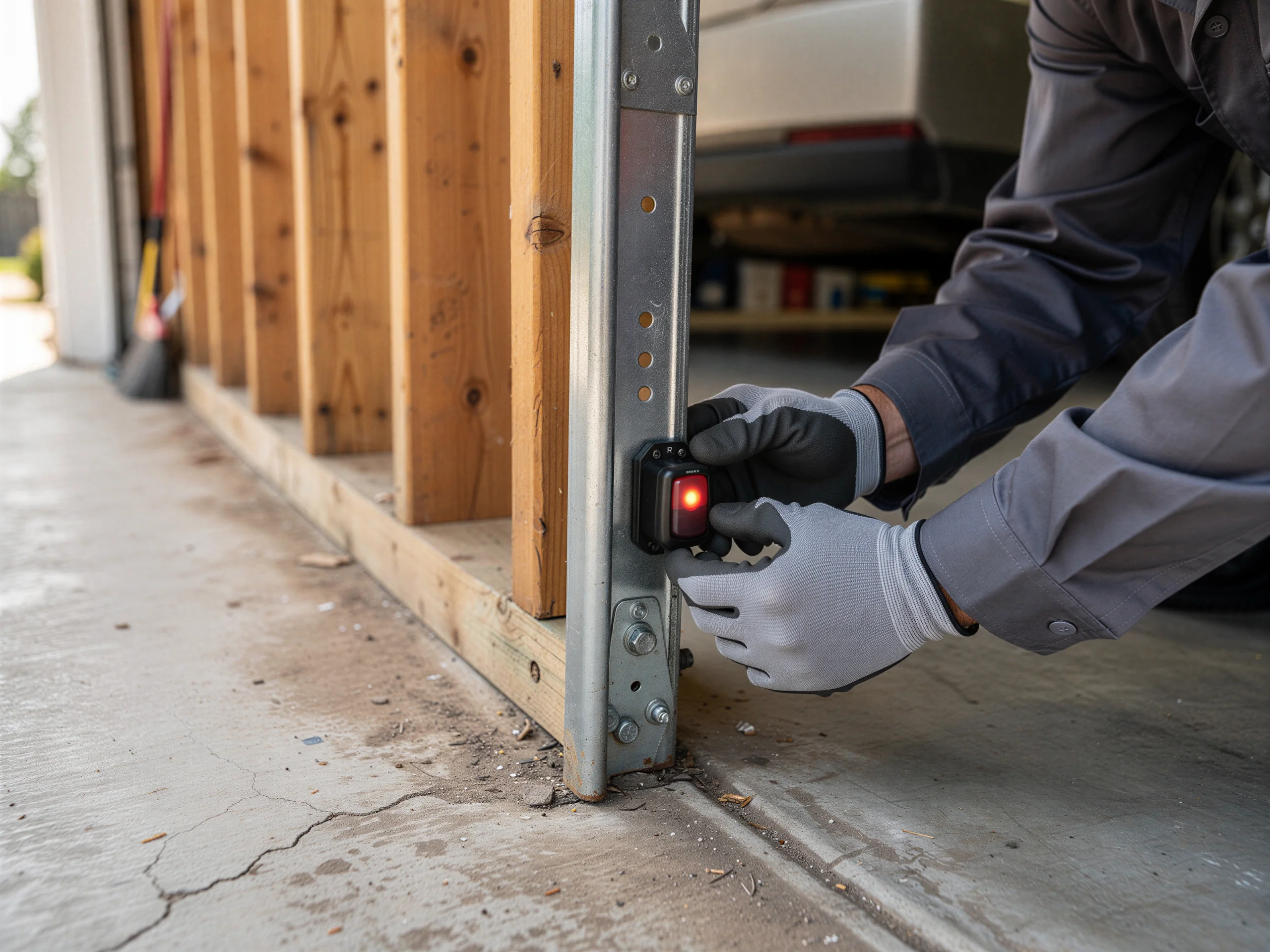
Garage Door Opener Repair, Apple Valley and Nearby
Opener won't close, reverses, or runs but the door won't move? Learn more →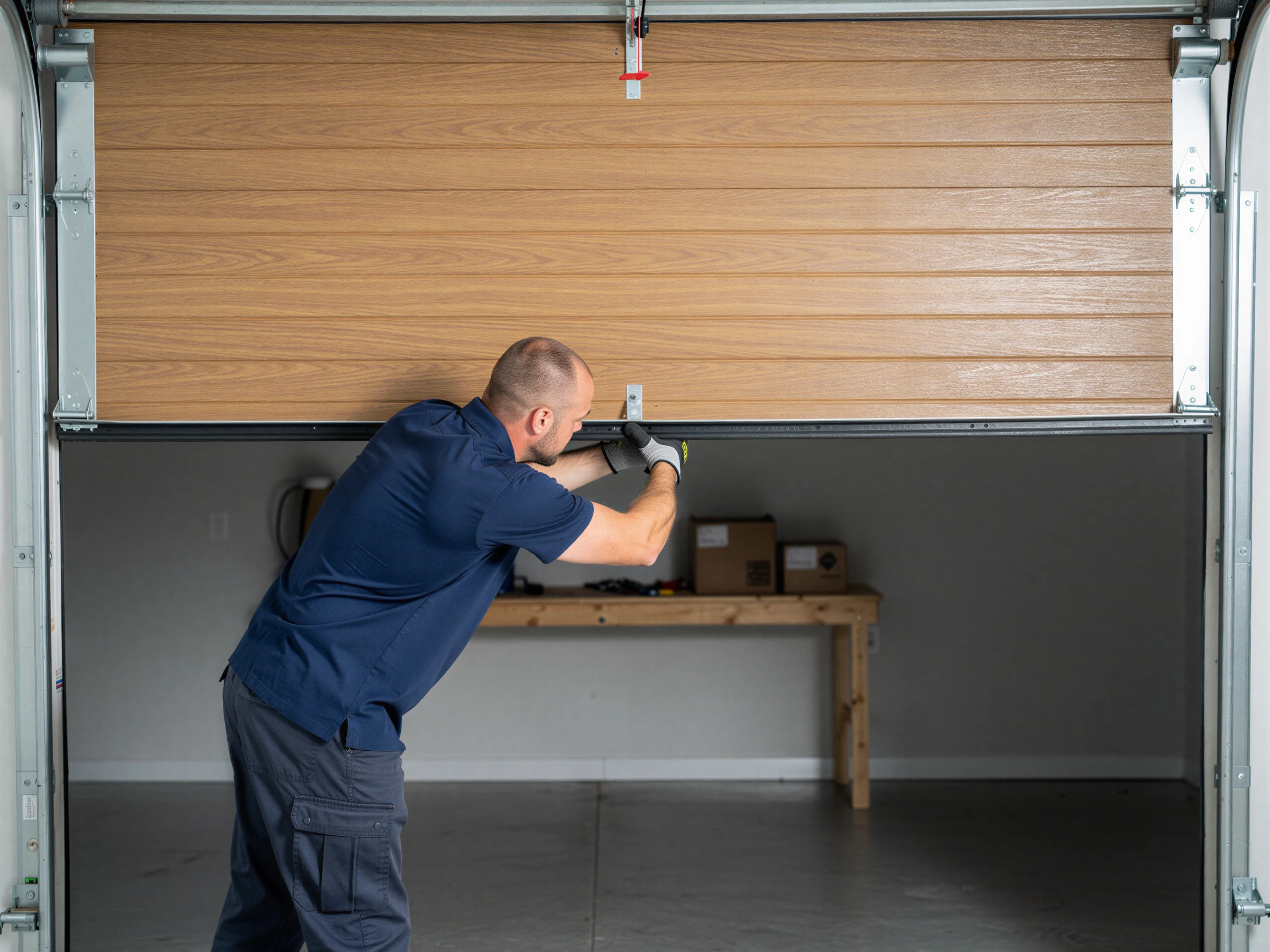
Garage Door Service for Apple Valley's Older Torsion Systems
Apple Valley homes built between 1955 and 2004 run original torsion springs and tracks that weren't made for Minnesota cold. Learn more →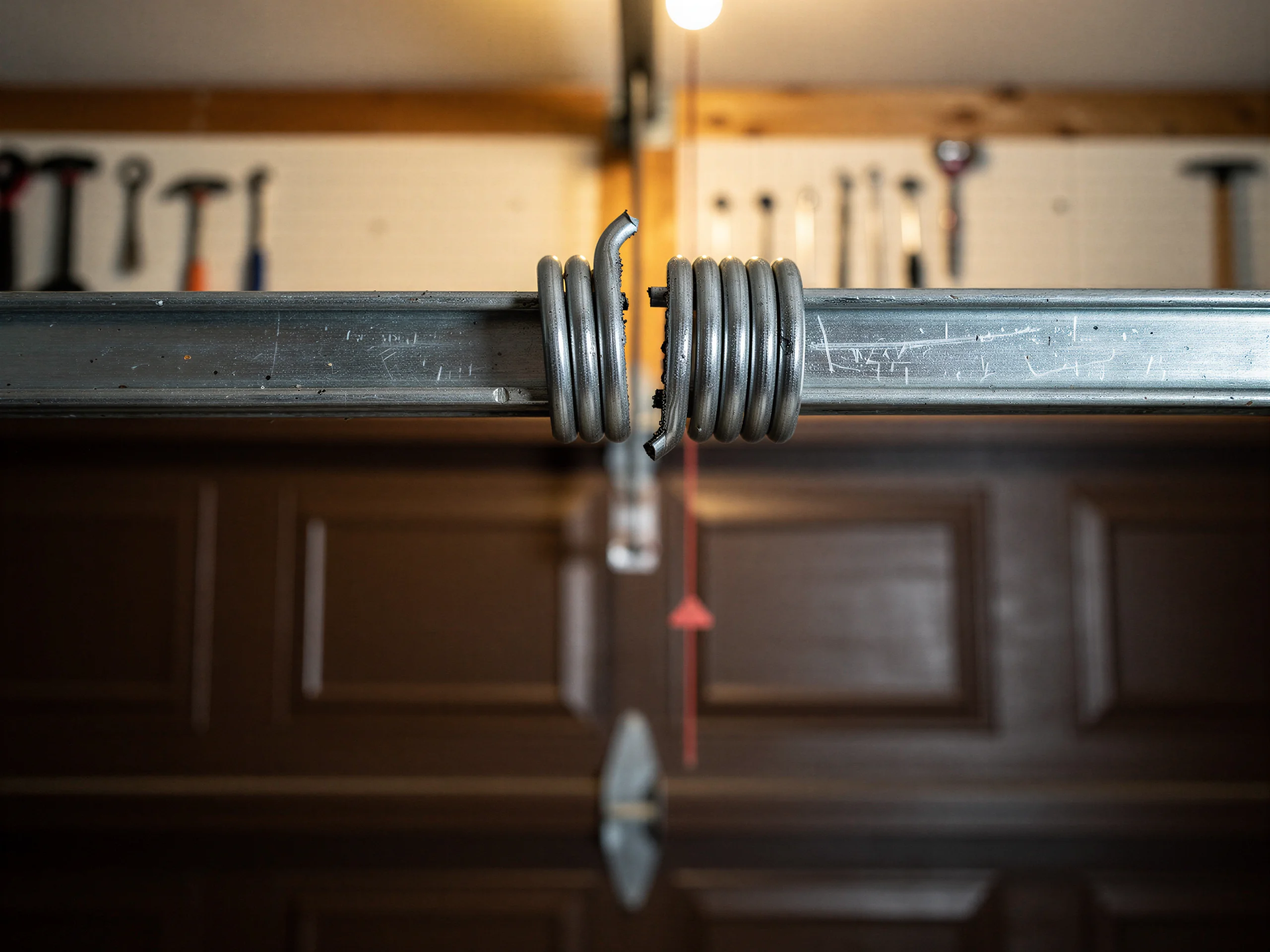
Garage Door Spring Repair Around Apple Valley
Torsion and extension spring repair for Apple Valley homes built mostly in the 1960s and 70s. Learn more →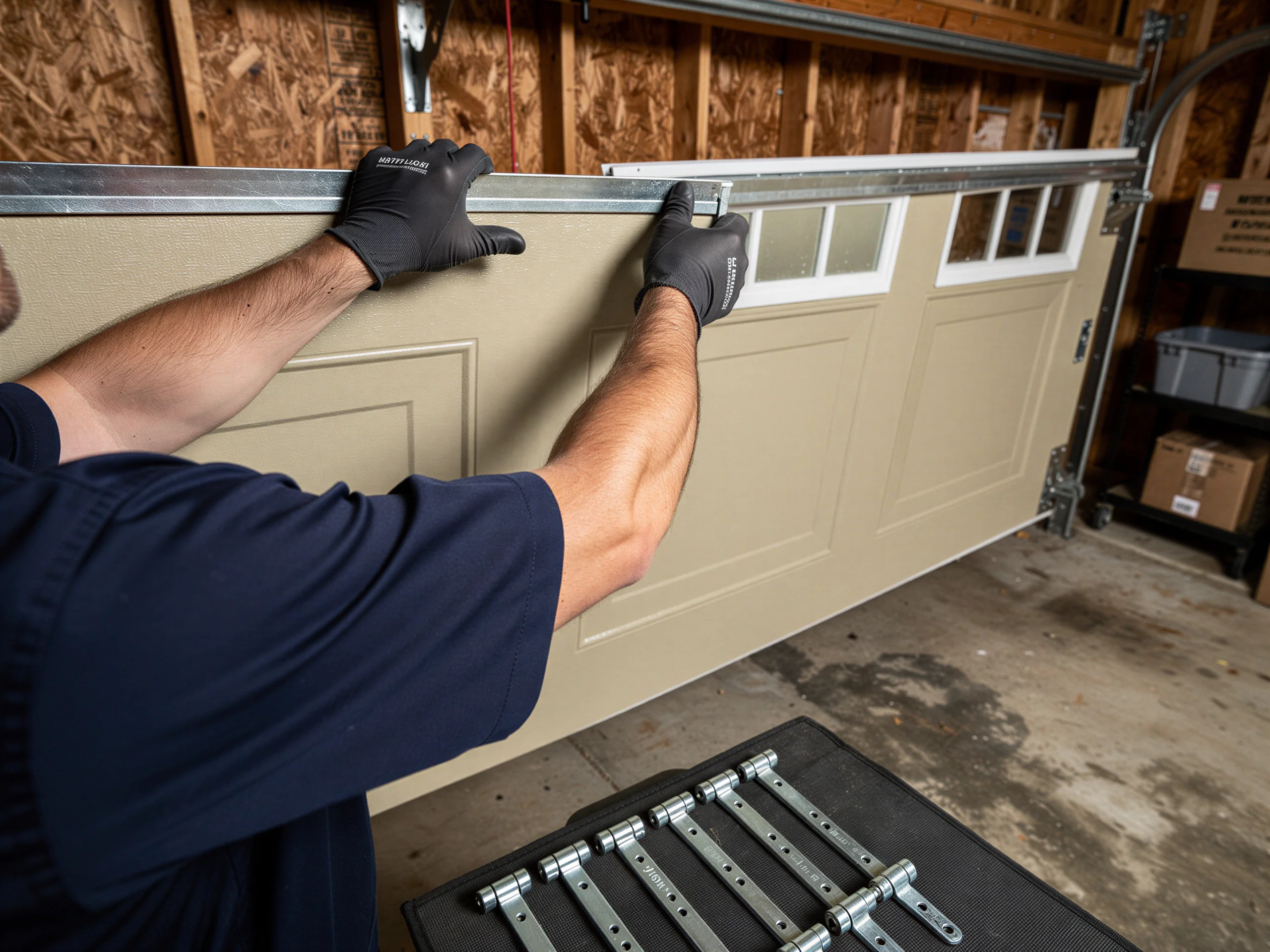
Garage Door Panel Replacement for Apple Valley Homes
Dented or cracked garage door panel in Apple Valley? Learn more →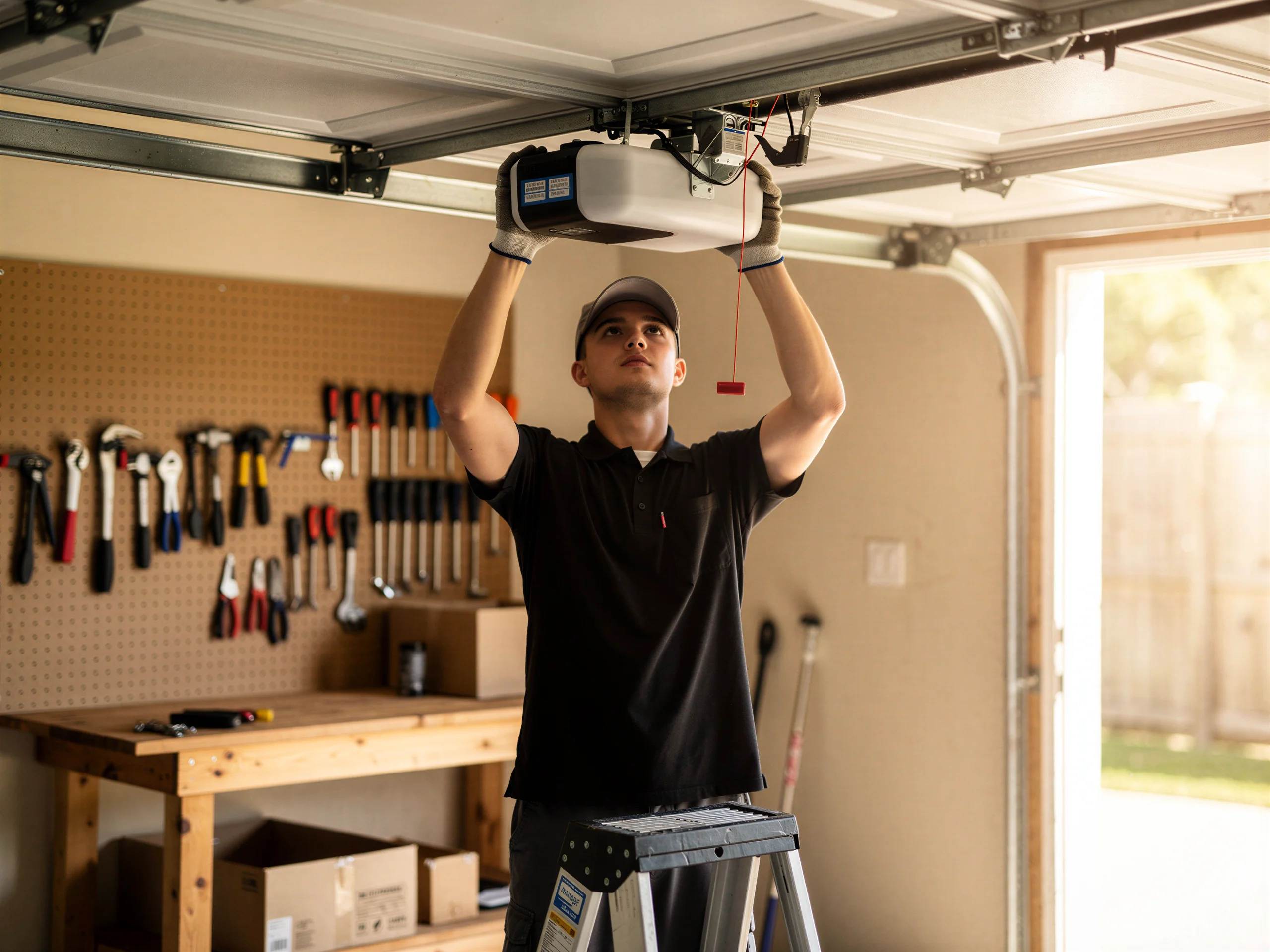
Opener Installation for Apple Valley Homes
Opener installation sized for Apple Valley's 1960s-90s housing stock and cold winters, serving homes from Coates to Mendota Heights with openers matched to door weight and track age. Learn more →Ready when you are
Need a garage door sorted in Apple Valley?
Apple Valley Garage Door Pros repairs and installs garage doors, springs and openers in Apple Valley, MN and the surrounding area.