Apple Valley, MN
Opener Installation for Apple Valley Homes
Opener installation sized for Apple Valley's 1960s-90s housing stock and cold winters, serving homes from Coates to Mendota Heights with openers matched to door weight and track age.
Doing It Yourself
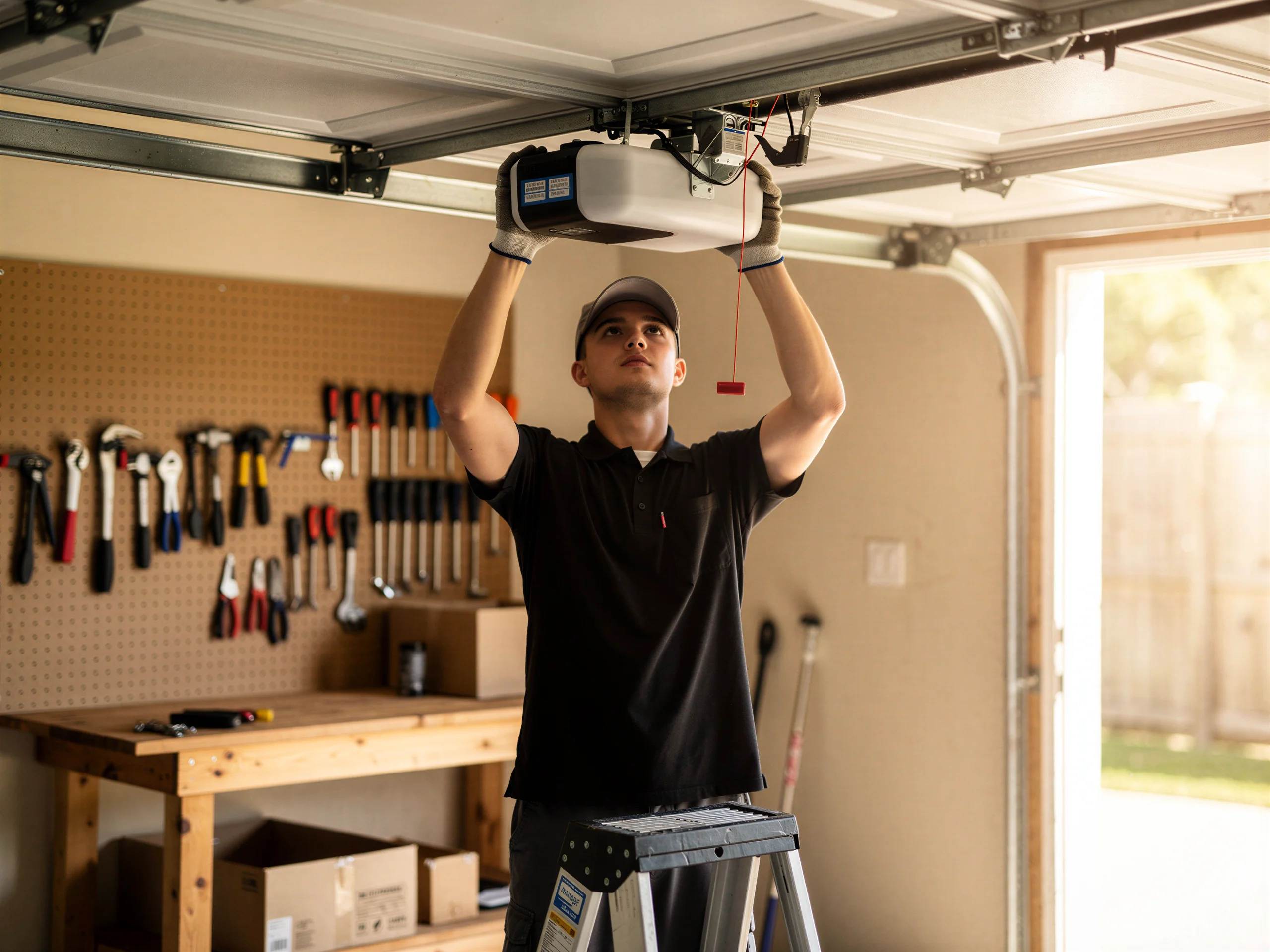
A lot of homeowners look at an opener box at the hardware store and figure it's a weekend job. Mechanically, mounting the rail and motor head isn't the hard part.
Opener-to-door pairing
What trips people up is matching the opener to the door you actually have. Homes in this area were built mostly between 1955 and 2004, with most stock dating to the 1960s and 70s, which means a wide range of door weights and spring setups depending on when the house went up.
Horsepower sizing risk
A half-horsepower unit that's fine on a lightweight 1990s steel door will strain and burn out early on a heavier older door with worn springs. You also have to get the travel limits, force settings, and safety sensor alignment right, or the opener will reverse on itself, slam, or just quit mid-cycle.
Good-condition DIY feasibility
We'll say it plainly: if your existing door, track, and springs are in good shape, a DIY install can work. The risk is in not knowing which parts are already marginal before you add a motor pulling on them. That's the part a kit box won't tell you.
Where This Job Goes Sideways
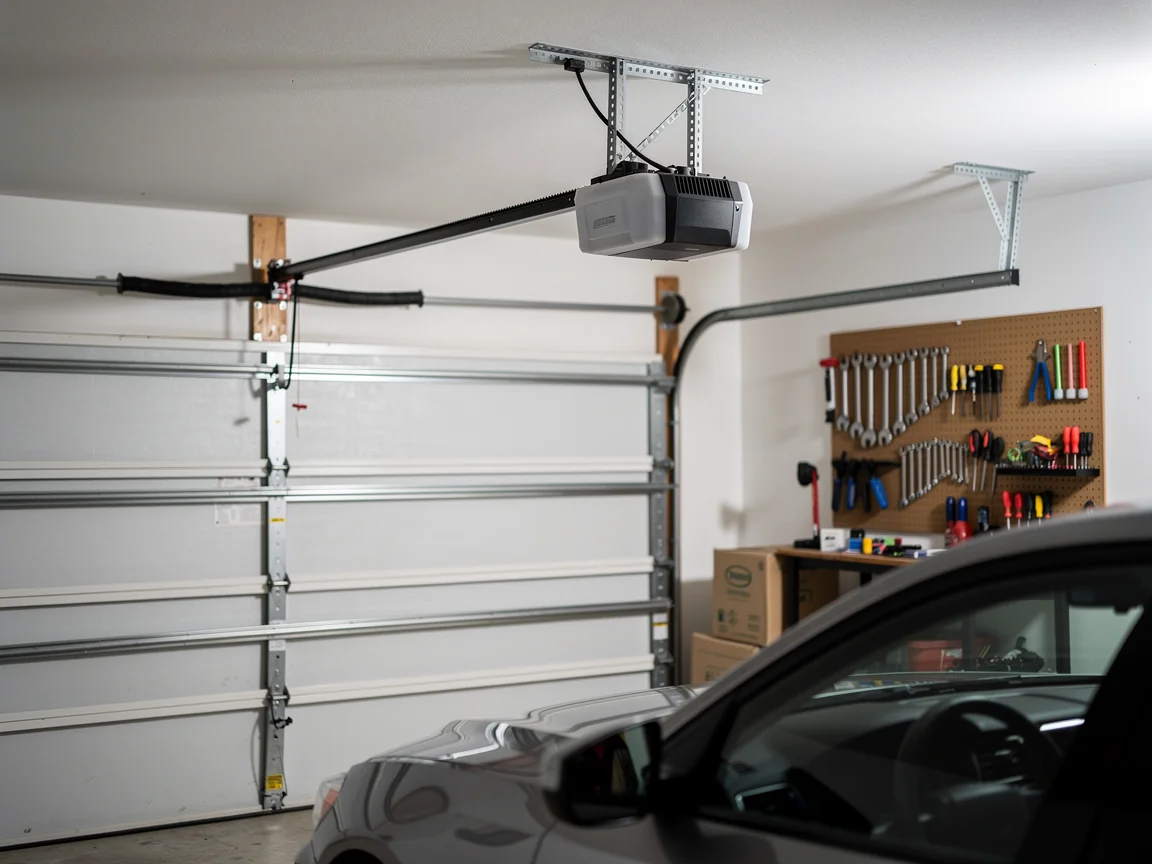
The install calls we get are rarely about the opener itself failing on day one. They're about what the opener exposes. On a door with an older torsion spring system, the opener puts a steady load on hardware that's been quietly wearing out for years.
Winter resistance on track
Add a cold-climate winter to that and grease that's gone stiff, metal that's contracted, and a track that's slightly out of plumb all show up as resistance the new opener has to fight.
Wiring and sensor errors
We also see mismatched gauge wiring on wall stations, sensors mounted at different heights than code calls for, and openers bolted to ceiling joists that weren't reinforced for the pull of a heavier insulated door. None of that is visible until the unit's running and something binds.
No opener before repairs
The honest limitation here: we don't install an opener on a door we think is going to need spring or track work within the next year. It's a waste of your money to put a new motor on hardware that's about to fail, so we'll tell you upfront if that's what we're looking at.
How It Shows Up
The opener installation problem usually announces itself a few different ways. The unit runs but the door hesitates partway up, especially on cold mornings, because the motor is undersized for the door's actual weight. Or the safety reversal kicks in for no clear reason, which often traces back to sensor alignment rather than the opener itself. Some owners notice the chain or belt slapping against the rail, a sign the rail wasn't tensioned to spec during install. In homes with older torsion hardware, we sometimes get called because the new opener strains audibly on the top few inches of travel - that's the spring system telling you it's not carrying its share of the load anymore, and the motor is picking up the slack it shouldn't have to. None of these are character flaws of any one opener brand. They're what happens when the motor and the mechanical system behind it aren't actually matched.
Why It Happens Here
This area's housing stock matters more for opener installs than people expect. With most homes dating to the 1960s and 70s and median construction around 1974, a large share of doors are original heavier steel or wood-composite panels on hardware that predates the lighter, better-balanced doors common in new construction today. Add a cold climate with real winter swings, and lubricant, weatherstripping, and metal tolerances are all working against the opener motor for several months a year. A half-horsepower unit rated for a modern insulated door often gets outmatched by an older, heavier panel in January. We size and install openers for houses across this service area - from older stock near Coates and Inver Grove Heights to the mix of eras you see out toward Mendota Heights and Richfield - and the sizing conversation changes depending on which decade your door and track came from, not just which opener looks good on the shelf.
Questions
Common questions
What size opener do I need for an older door?
It depends on the door's weight and how well-balanced the springs are, not just the door's size. A half-horsepower unit is common, but a heavier original panel from the 1960s or 70s stock common in this area may need a stronger unit or spring work first. We check the door and springs before recommending a motor size.
Can I install a new opener on an old torsion spring system?
Sometimes, but we won't install a new opener on springs we think are near the end of their life. The motor will mask the spring strain for a while, then fail early and take the opener's gears with it. If your hardware is marginal, we'll flag it before the install, not after.
Will cold weather affect a new opener?
Yes. In a cold climate band like this one, stiff grease, contracted metal, and ice on the track all add resistance the opener has to overcome. A properly sized unit handles it fine; an undersized one will hesitate or stall on cold mornings.
Do you install openers in towns near Apple Valley too?
We cover the wider service area, including homes out toward Inver Grove Heights, Richfield, Mendota Heights, and the other communities in that 8 to 20 mile range. Opener sizing varies by the housing era in each area, so we look at your specific door and track regardless of which town you're in.
Explore more
Explore More Services In Apple Valley, MN
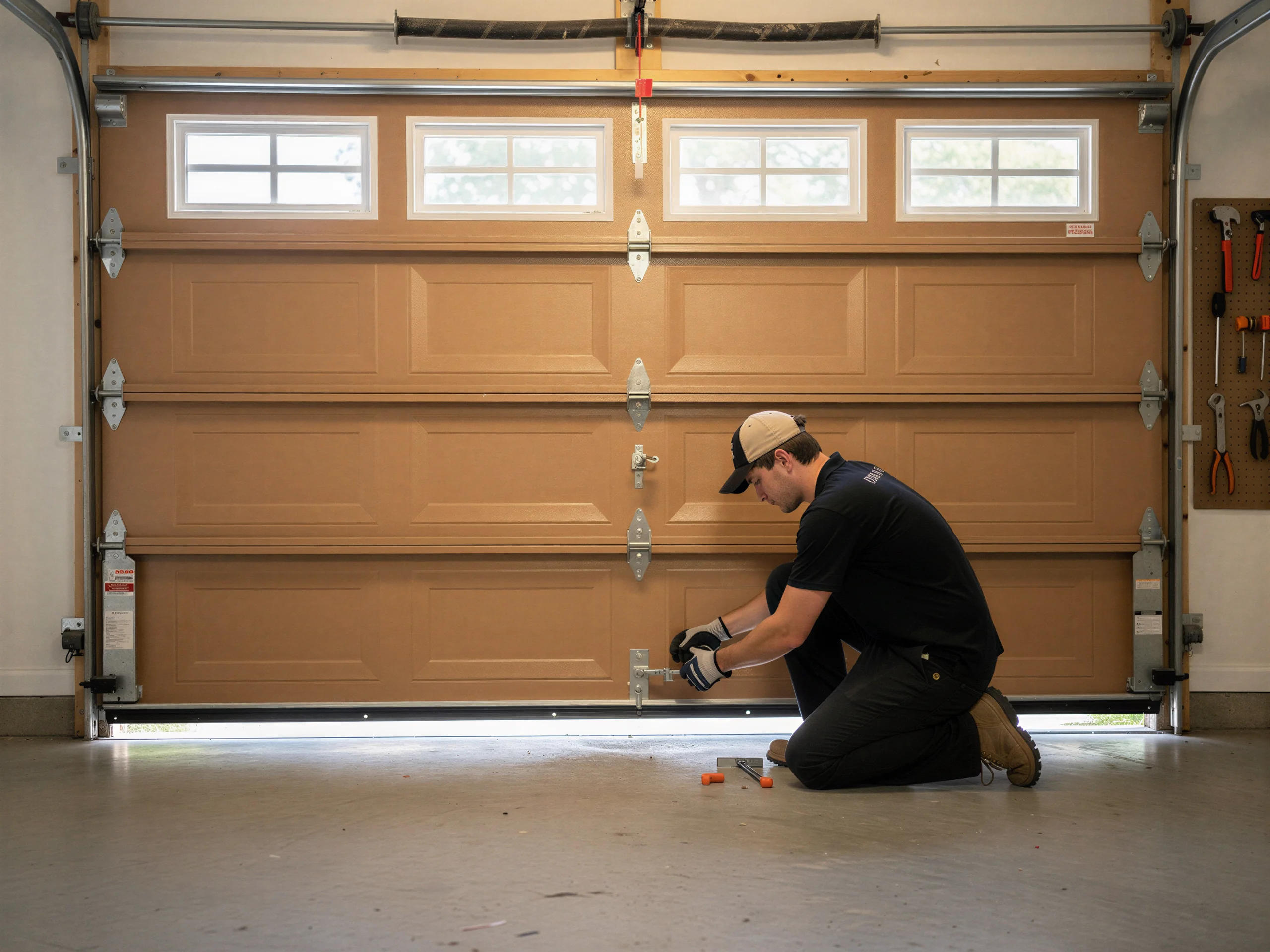
Garage Door Repair for Apple Valley's Older Torsion Hardware
Apple Valley's 1960s-70s housing stock means original torsion springs and openers are aging out fast. Learn more →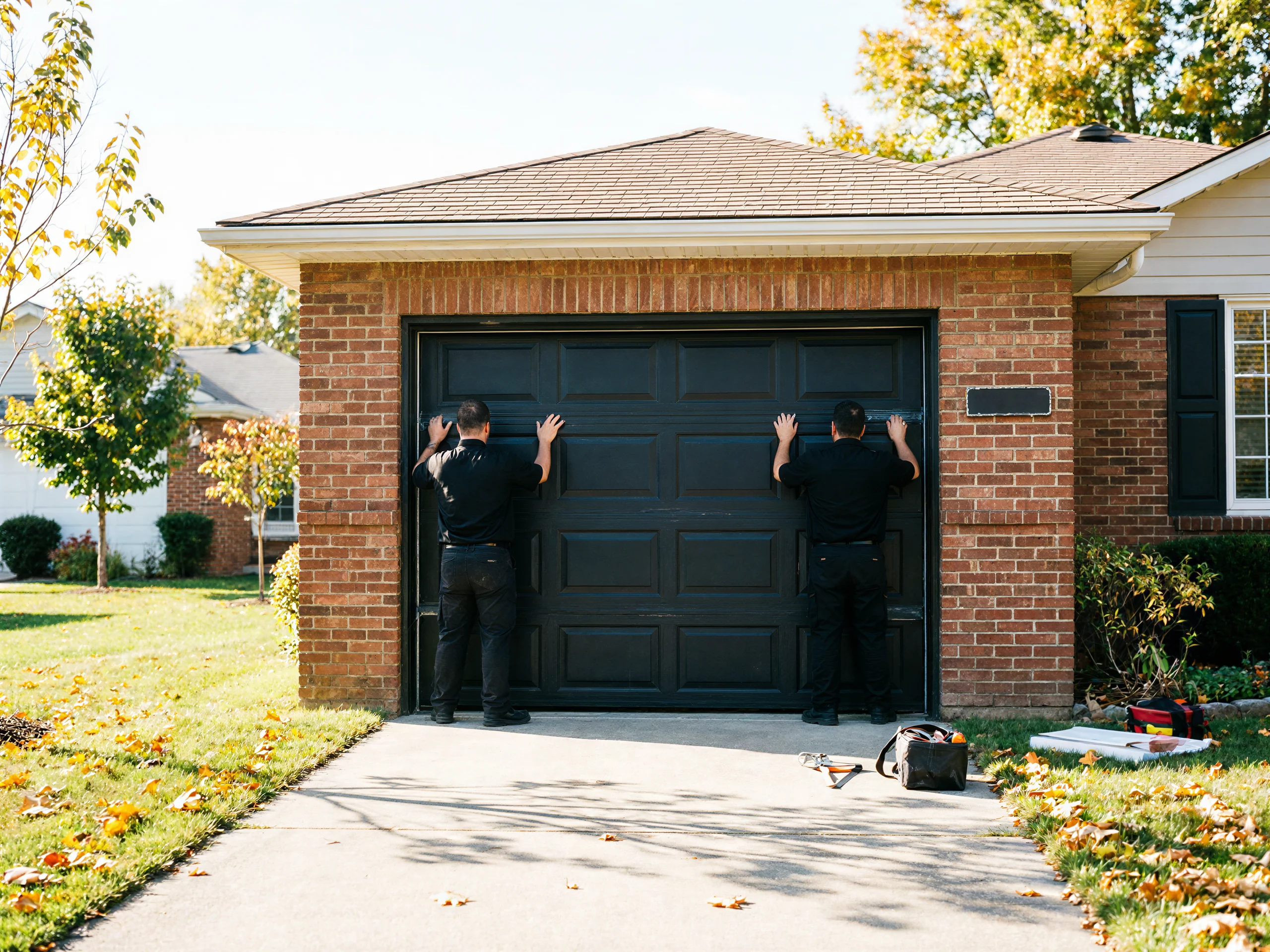
Garage Door Installation for Apple Valley's 1960s and 70s Housing Stock
Installing a garage door on a house built between 1955 and 2004 in Apple Valley means matching the old opening, not just the new door. Learn more →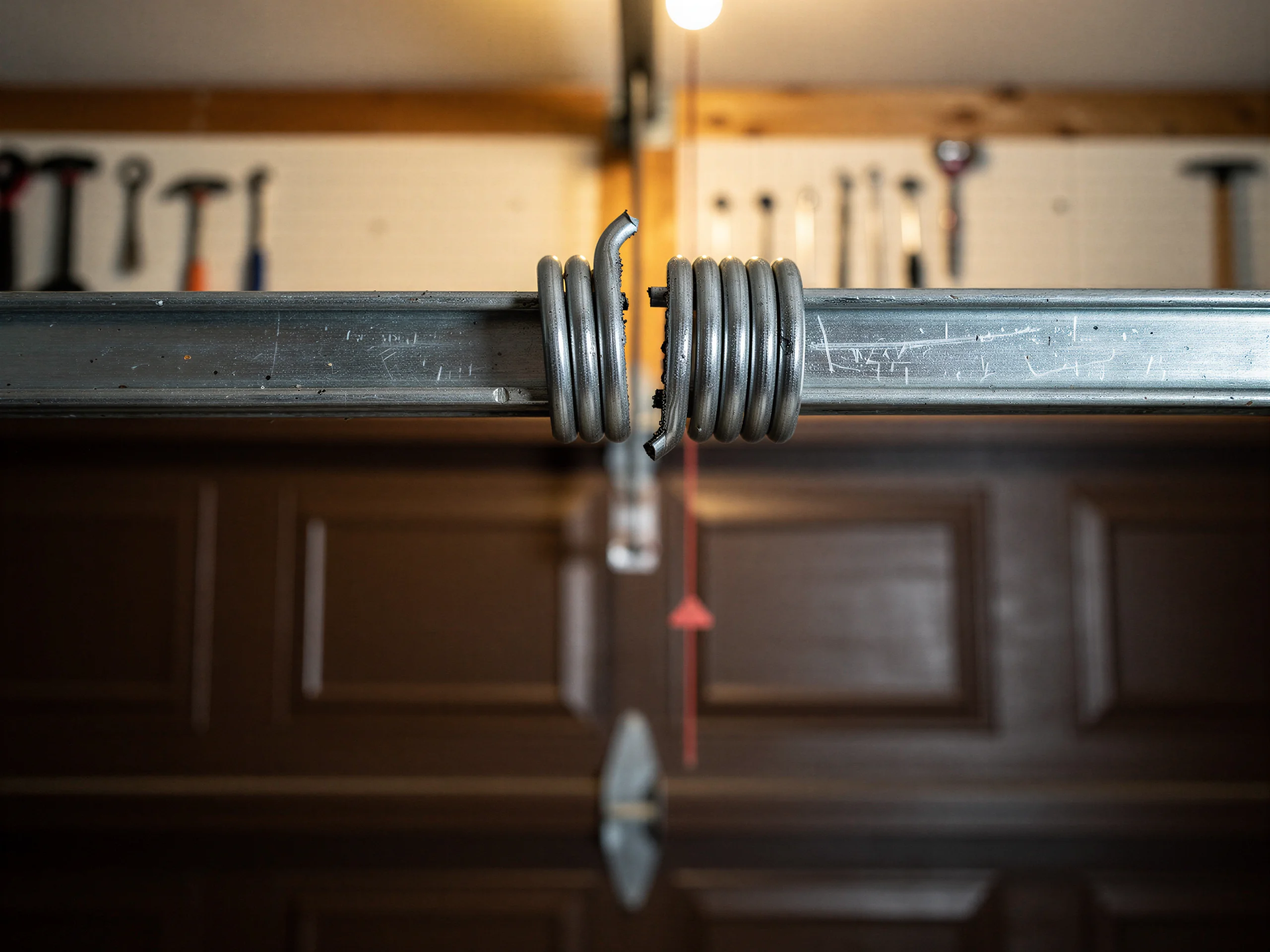
Garage Door Spring Repair Around Apple Valley
Torsion and extension spring repair for Apple Valley homes built mostly in the 1960s and 70s. Learn more →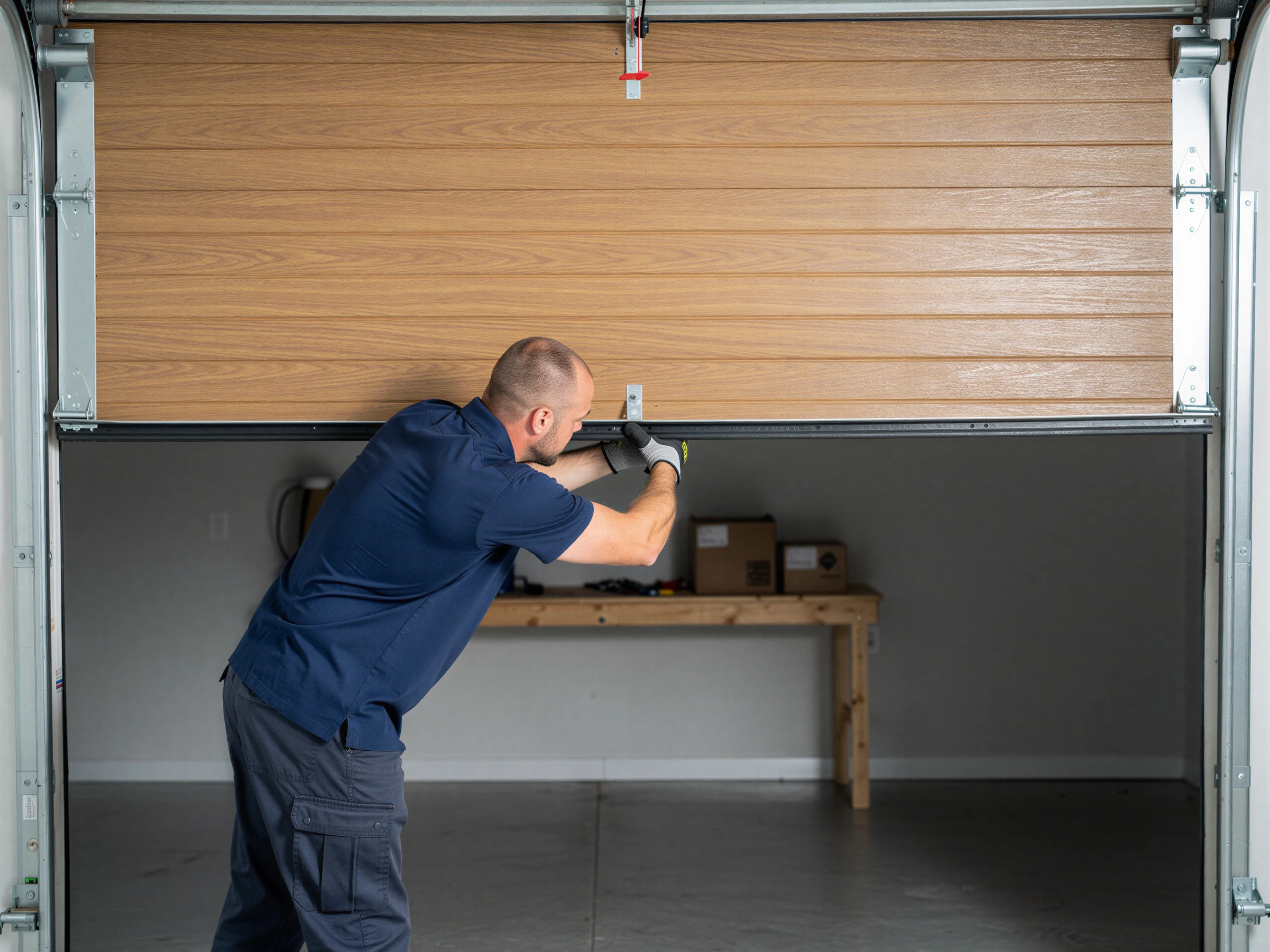
Garage Door Service for Apple Valley's Older Torsion Systems
Apple Valley homes built between 1955 and 2004 run original torsion springs and tracks that weren't made for Minnesota cold. Learn more →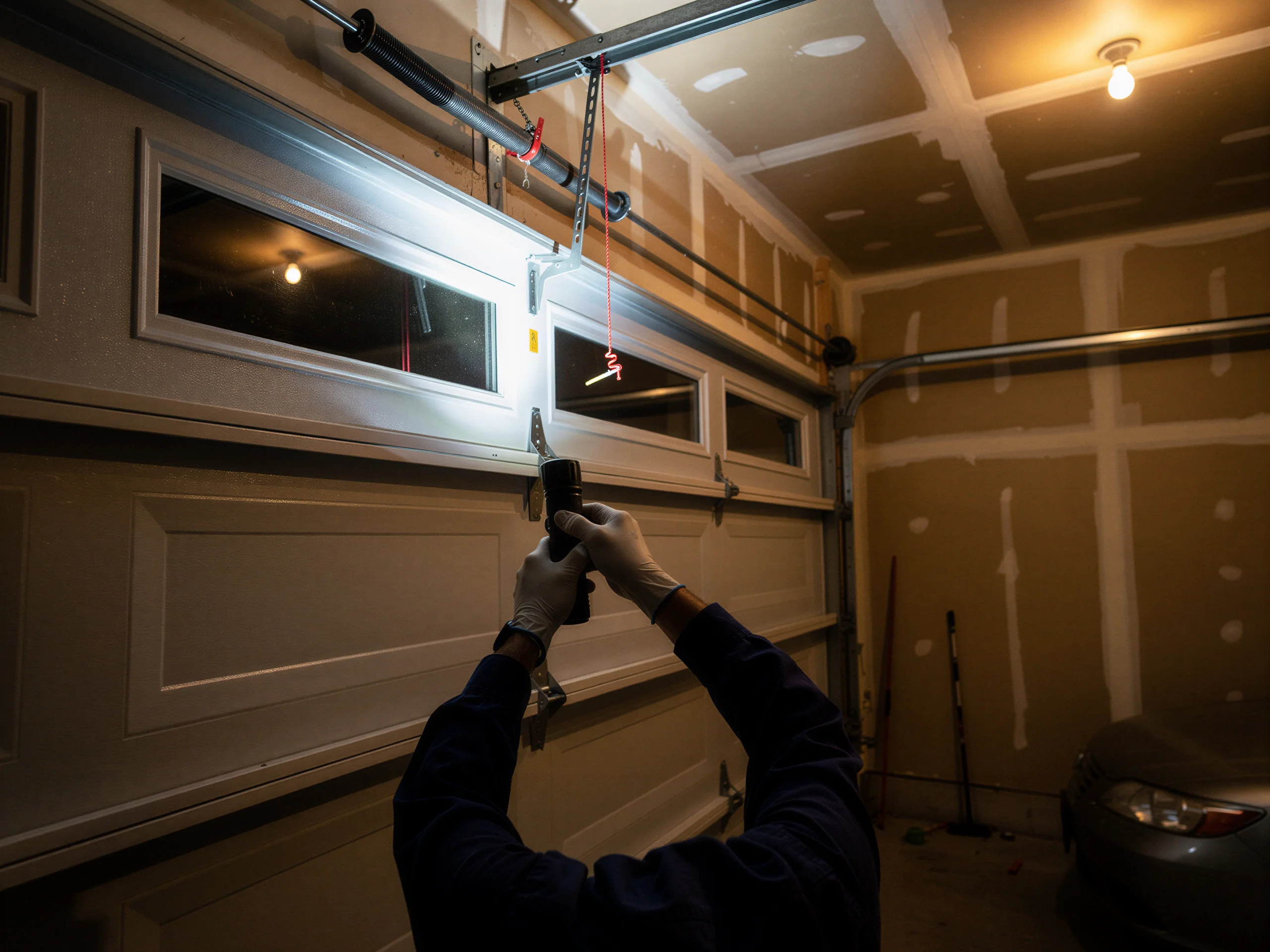
Emergency Garage Door Repair, Apple Valley and the Surrounding Area
24-hour garage door repair for Apple Valley homes built in the 1960s-70s boom, where cold-snap spring failures and worn torsion hardware are the most common late-night calls. Learn more →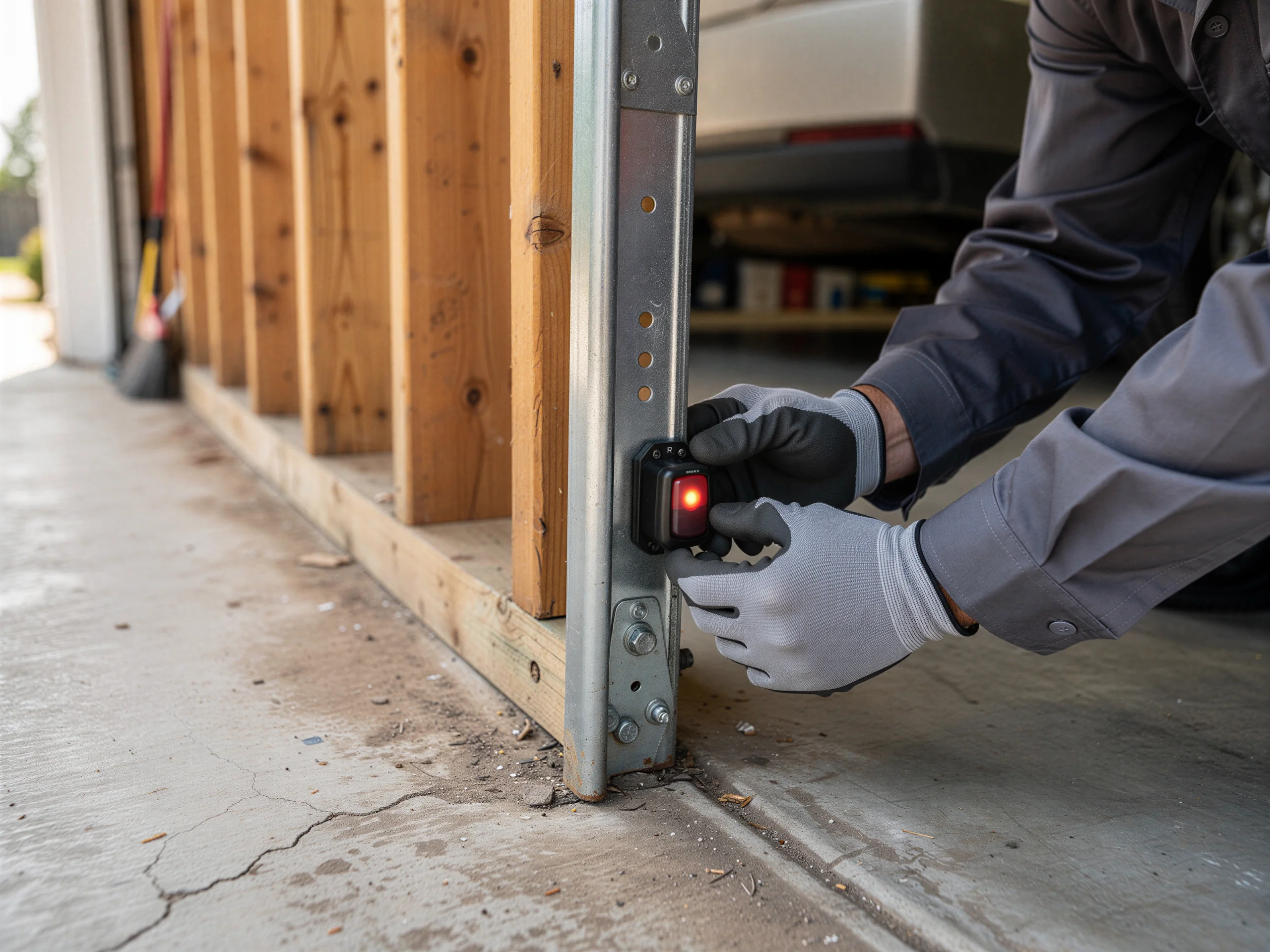
Garage Door Opener Repair, Apple Valley and Nearby
Opener won't close, reverses, or runs but the door won't move? Learn more →Ready when you are
Need a garage door sorted in Apple Valley?
Apple Valley Garage Door Pros repairs and installs garage doors, springs and openers in Apple Valley, MN and the surrounding area.