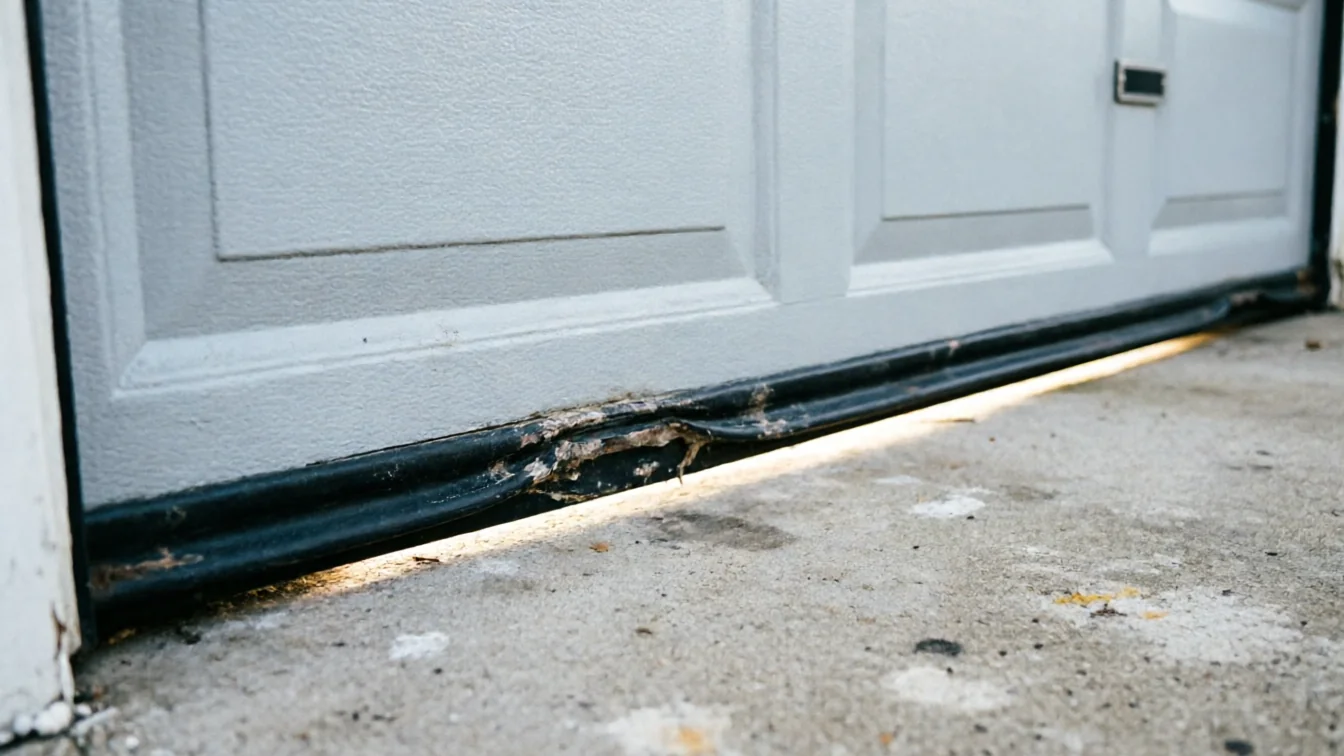
Weather Seals and Draughts: What Apple Valley Homes Need
Apple Valley homes built mostly in the 1960s-70s show really worn weather seals and draughts fast in Minnesota's cold winters.
Read moreApple Valley homes built mostly between 1955 and 2004 wear differently in cold Minnesota winters, and each noise your door makes points to a different cause.
Local detail
Most of Apple Valley's homes went up between 1955 and 2004, with the median landing around 1974. That means a lot of original torsion hardware from the Nixon and Carter years is still hanging on tracks that have outlived their rollers more than once. Across the 21 named areas that make up this service territory, the bulk of the stock is 1960s and 70s construction, which is a specific kind of door problem: galvanized track bent from decades of settling, steel springs that have cycled tens of thousands of times, and openers bolted to joists that have shifted a quarter inch since Carter was president. A door built in that era wasn't engineered for the opener loads or insulation standards we use now, so a lot of the noise you hear isn't a new problem. It's an old problem finally getting loud enough to notice. The climate here doesn't help. Cold winters mean steel contracts, grease thickens, and anything that was already marginal gets worse fast in January. None of this means your door is failing today. It means the noise is data, and it's worth reading before it turns into a 10pm call with the car trapped inside.
The area
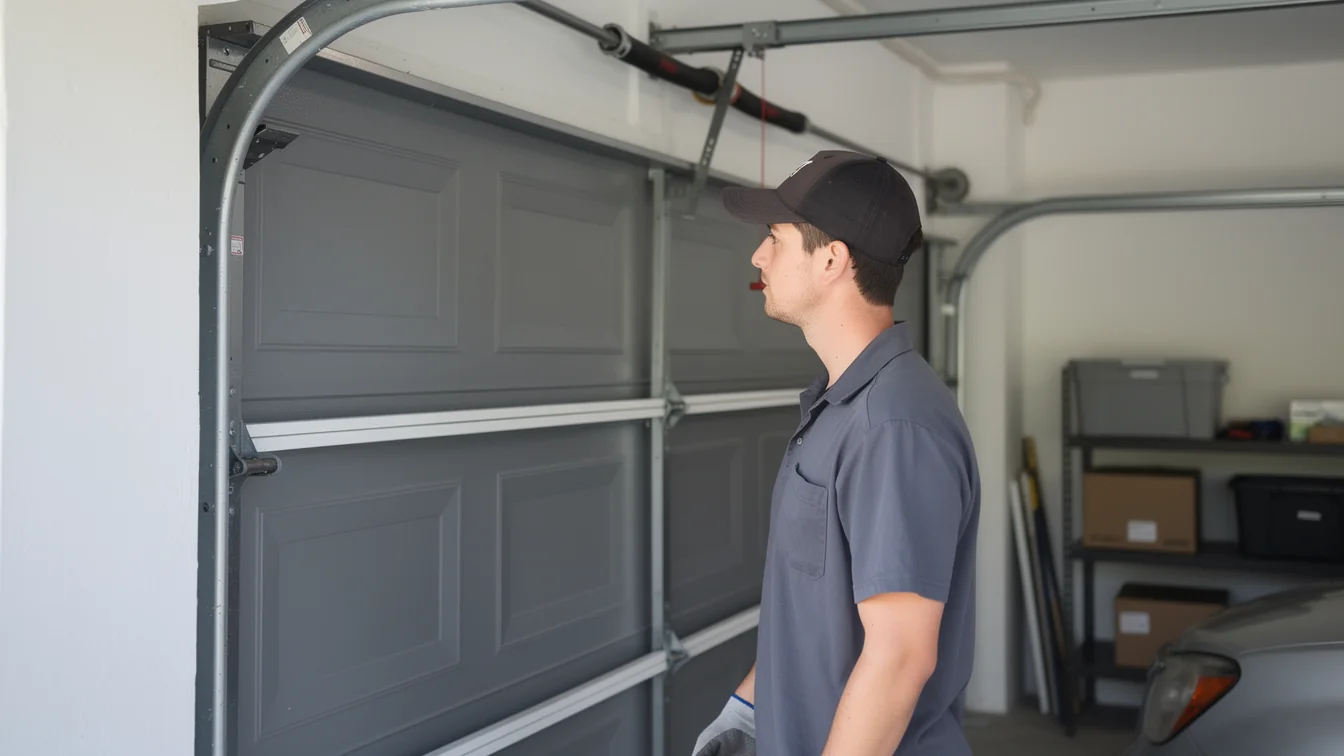
Start with where the sound is coming from, not just what it sounds like. A rhythmic thump as the door travels usually means a flat spot on a roller, common on original steel rollers from 60s and 70s builds that were never swapped for nylon. A sharp bang at the top of the travel is almost always a spring, and on a house with its original torsion spring, that's a part that's simply reached the end of its cycle count. A grinding or scraping along the sides points to track that's gone out of alignment, which happens more in houses where the slab has settled over fifty-plus years. A high-pitched squeal is usually just a dry hinge or roller shaft, the easiest fix on this list. Cold weather changes all of this. Metal contracts, lubricant stiffens, and a noise that's mild in July can turn sharp and frequent in a January cold snap because the clearances in old hardware get tighter. If your door is quiet in summer and loud all winter, that's not your imagination. That's the metal telling you it's at the edge of its tolerance. Write down when you hear it and what the door is doing at that moment: opening, closing, under load, under the opener. That detail matters more than the noise itself.
What we find
Call before the spring lets go, not after. A torsion spring on original hardware doesn't usually give warning beyond the noise you're already hearing, and once it breaks, the door becomes dead weight on a track that was already stressed. With roughly 112,625 households and 50,541 owner-occupied houses across this service area, a lot of those original double-car doors are still running on the springs they shipped with, which is longer service than most springs are rated for. If the noise is new, sharp, and tied to the spring area at the top of the door, that's not a wait-and-see situation. If it's a dry squeal from a hinge, you can reasonably try lubricant first and see if it resolves. Here's the honest limitation: we can't always tell you over the phone whether a noise is a five-minute lubrication fix or a full spring replacement. Age of the house and the sound pattern narrow it down, but a bent track or a spring near failure can sound similar to simple wear until someone's hands are actually on the hardware. At a median household income of $97,784, most owners here can afford to replace a worn spring system outright rather than patch it repeatedly, and on hardware this old, that's usually the better math anyway.
How we work
Apple Valley sits in a climate band that's cold and moderate rather than extreme, but cold is still cold on steel. Springs lose some tension capacity as temperatures drop, grease inside bearings and rollers stiffens, and the clearances built into 1960s and 70s hardware were never generous to begin with. That combination is why so many service calls here cluster in the first hard cold snap of the season: a door that limped along fine in October suddenly won't close all the way, or starts banging at the top where it never used to. It's also why a noise you hear in December can disappear by June without the underlying problem actually going away. The cold isn't creating new damage so much as it's exposing wear that was already there, tightening tolerances until something that used to slide now scrapes. If you own a house from the original wave of construction in this area, expect your door hardware to tell you more in January than any other month, and don't assume quiet weather in summer means the issue resolved itself.
Questions
It's common on older hardware. Cold steel contracts and grease stiffens, so clearances that are fine in summer get tight in winter. If the noise is new this season and loud, it's worth a look rather than waiting for a warmer month to mask it again.
Location is the clue. A squeal along the sides as the door travels is usually a roller or hinge. A sharp bang near the top, right as the door finishes opening or closing, points to the torsion spring. Rollers are a quick fix. A spring on original hardware usually isn't.
Not automatically, but original hardware from that era has usually cycled well past what a spring is rated for. If you're hearing new noise and know the door has never been serviced, that's a reasonable time to have someone check the spring and track rather than wait for a failure.
Recommendation
More garage door guides for Apple Valley homeowners.
Apple Valley homes built mostly in the 1960s-70s show really worn weather seals and draughts fast in Minnesota's cold winters.
Read more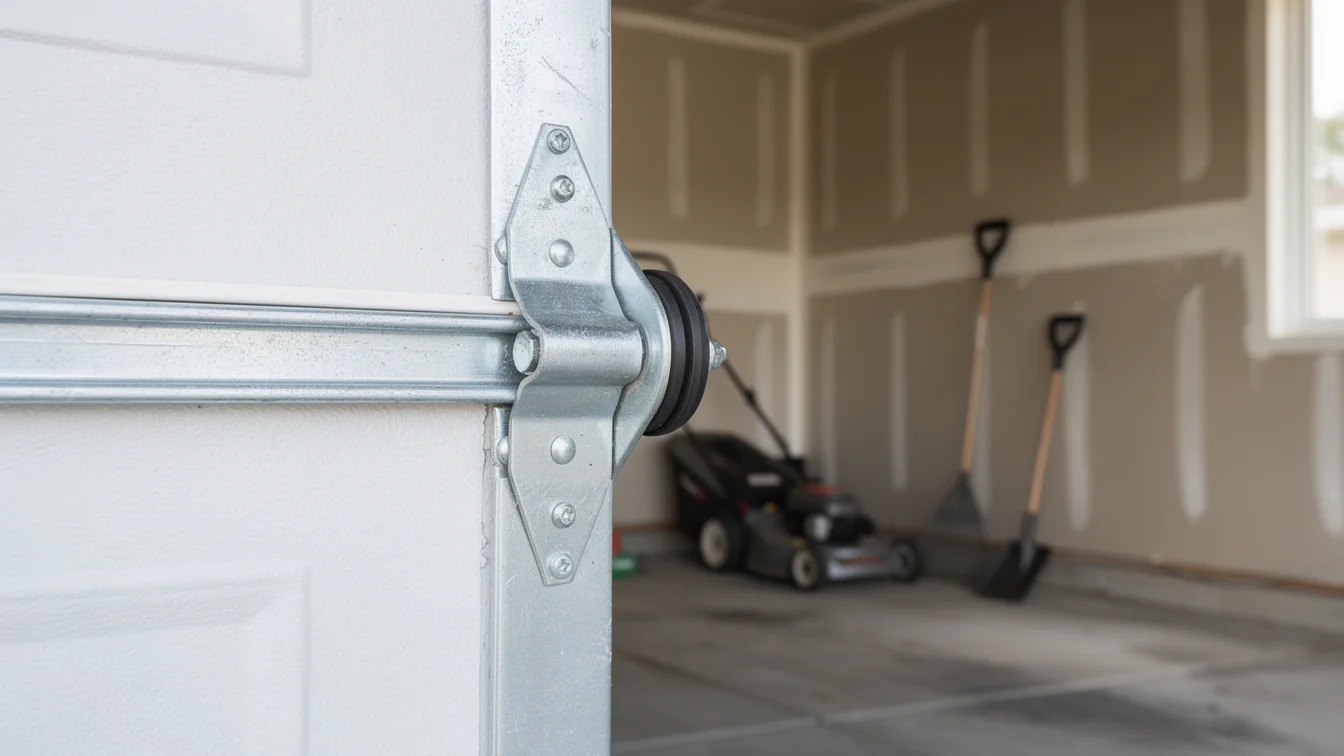
Apple Valley homes built mostly in the 1960s-70s with original hardware and hard winters are the two reasons doors jump track here.
Read more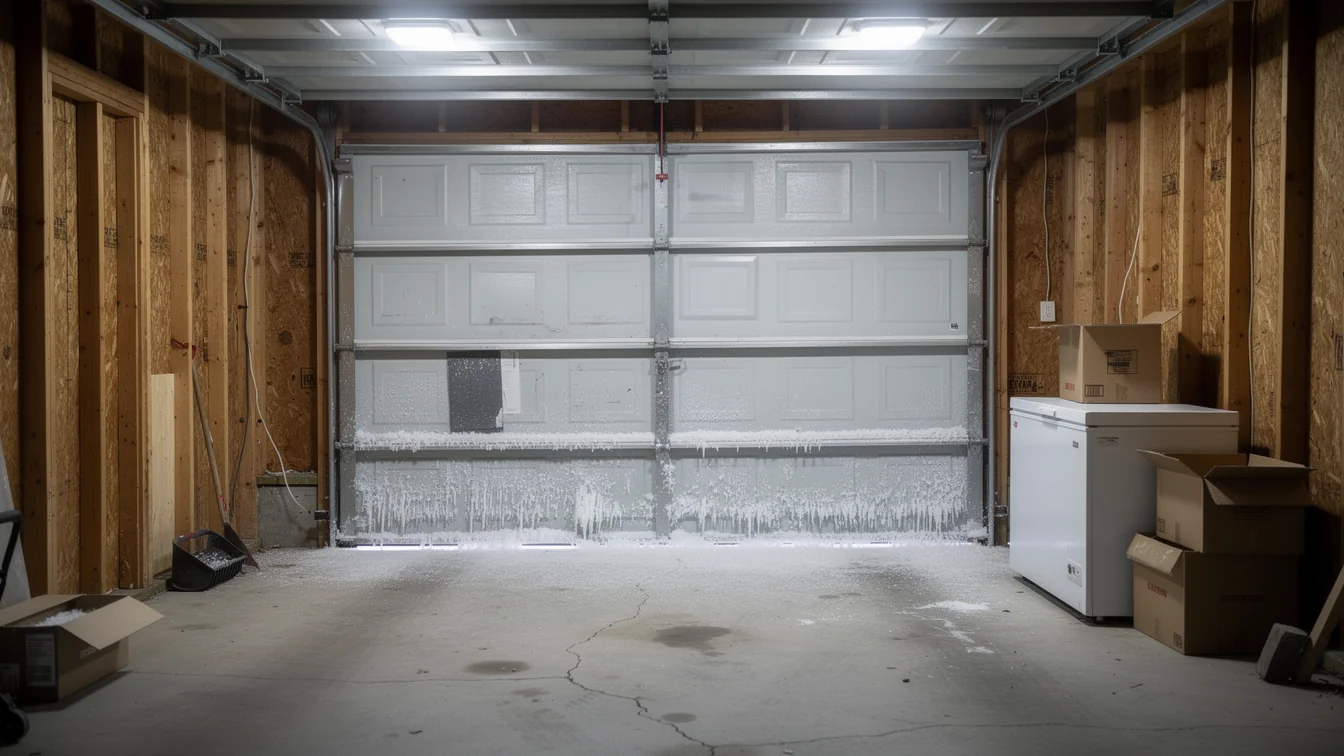
Most Apple Valley homes date to the 1960s-70s, built before modern garage door insulation rules, which matters for comfort and repair costs each winter.
Read moreReady when you are
Apple Valley Garage Door Pros repairs and installs garage doors, springs and openers in Apple Valley, MN and the surrounding area.