Inver Grove Heights, Apple Valley
Garage Door Opener Repair, Inver Grove Heights
Openers here mostly date to the early-90s building boom, not the 1970s stock common elsewhere in the service area. We fix chain-drive units and logic boards from Apple Valley, 9 miles out.
How It Shows Up
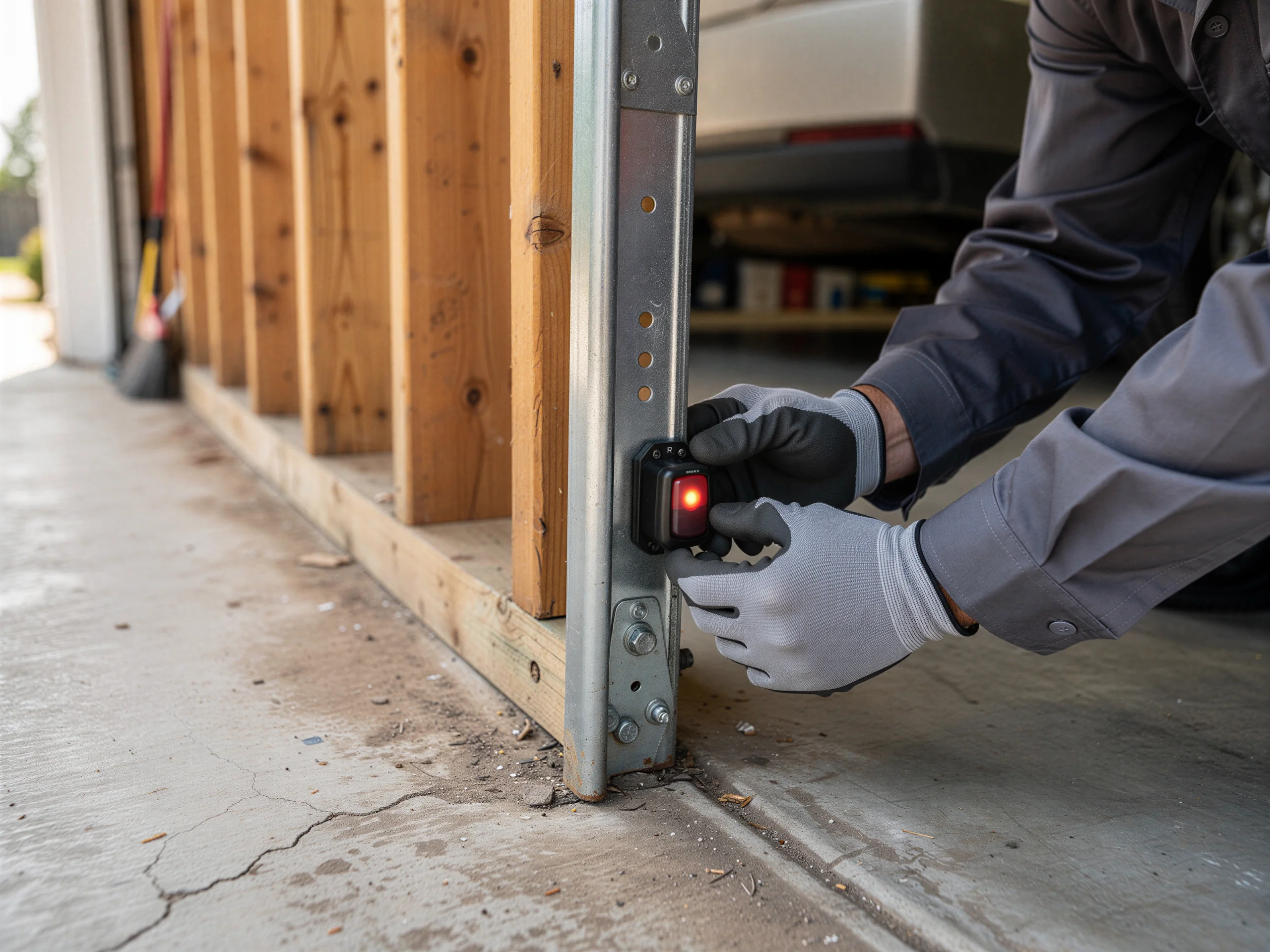
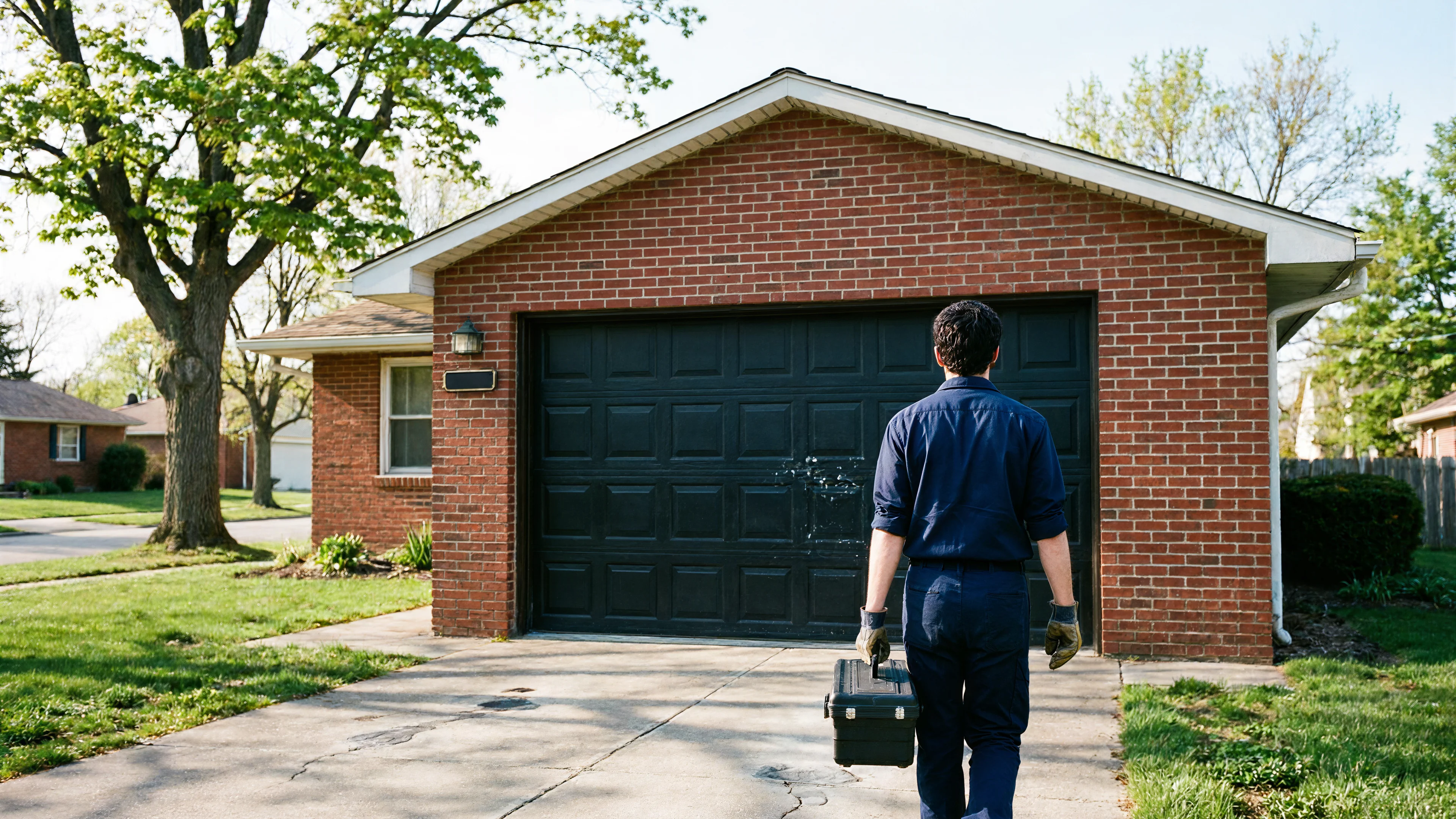
Most of the garage doors we see on these calls are steel sectional doors on two-car openings, the kind that went up with the houses here in the late 80s and early 90s rather than the 1970s split-levels you find elsewhere in the service area.
Original ceiling openers
The openers bolted to the ceiling above them are usually the same age as the house: chain-drive units, 1/3 horsepower, with a logic board that was never meant to run for three decades straight. What you notice first is almost always the motor.
Hum without movement
It hums, the light comes on, and the door does not move, or it moves about six inches and stops. Sometimes the remote works from the driveway but not from inside the car, which usually points to a dying antenna wire on the board rather than the motor itself.
Travel limit drift
On a handful of calls the door reverses before it ever touches the floor, which is the travel limit drifting, not a safety sensor doing its job. None of this is dramatic. It's an opener built in 1990 or so, asked to run two or three cycles a day for over thirty years, finally hitting the end of its parts.
Why It Happens Here
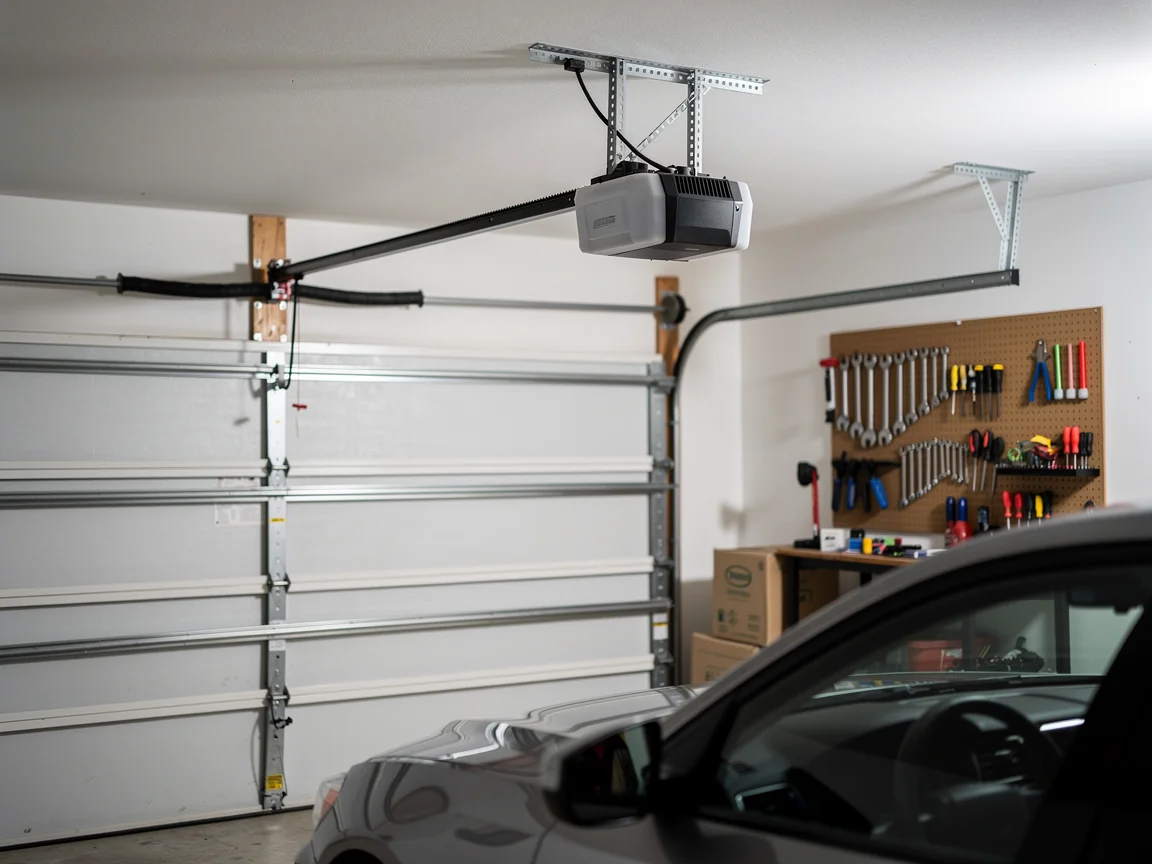
The housing stock across the wider service area runs from 1955 to 2004 with a median build year around 1974, but this part of Inver Grove Heights sits later in that range, closer to 1990. That one difference changes the whole job. A house from 1990 almost never has the old low-torque opener you'd find on a 1970s door; it has a 1/3 or 1/2 horsepower chain-drive unit built for a heavier steel door, with a circuit board instead of pure relay logic.
That board is the weak point. After thirty-plus winters the solder joints get brittle and the capacitor that powers the start-up surge starts to fail quietly, long before the motor does. The climate band here is cold but moderate, not the deep-freeze swings some regions get, so we don't see as many frozen-track calls. What we do see is grease inside the gearbox thickening every winter, which makes the motor labor and the board draw more current than it was built to handle, year after year, until it gives out.
It's less a weather story and more an age-of-the-unit story.
How We Fix It
First call is the board, because on an opener this old it fails more often than the motor does. We check the logic board, the capacitor, and the wiring at the wall switch before we touch anything mechanical.
Board reset or swap
If the board has drifted on travel limits, we reset it; if it's cracked or the capacitor has swollen, we replace it rather than patch it, since a patched board on a unit this age tends to fail again within months.
Stripped nylon gear swaps
If the motor itself has gone, we look at the gear set next. A stripped nylon gear is common on chain-drive units from this era and is a straightforward swap. We lubricate the chain and rail while we're in there, since a dry chain is what makes a tired motor work twice as hard.
New opener cost math
One honest note: if the opener is original to a 1990-built house and the board, the motor, and the gear are all going at once, we'll tell you straight that a new opener costs less over the next five years than three separate repair calls on one that's already at the end of its life.
Doing It Yourself
A few things are worth checking before you call anyone. Unplug the opener, then plug it back in, that resets some boards and fixes a stuck limit on its own.
Pinched wall switch wire
Check the wall switch wire where it enters the unit; on a thirty-year-old install that wire has often been pinched or nicked by a shelf or a stored ladder, and a bad wire looks exactly like a bad board from the driveway. Look at the chain tension too.
Chain sag adjustment
If it's sagging more than about a half inch, that slack is enough to make the motor run without the door moving right away, and tightening it is a five-minute job with the right wrench. What we don't recommend doing yourself: opening the logic board housing, or touching anything near the torsion spring above the door.
Capacitor charge hazards
The board has capacitors that hold a charge after the power's off, and the spring is under enough tension to cause a serious injury if it lets go while you're working near it. Those two jobs are where we earn the call.
How Long You Are Without the Door
We run this job from Apple Valley, about 9 miles out, so we plan the visit as one trip rather than a diagnosis call followed by a second trip for parts.
Single-visit board repairs
Most board swaps and motor repairs on a chain-drive unit from this era are a single-visit job once we're on site, since the common failure points, the board, the capacitor, the gear, are parts we carry rather than special-order.
Full replacement visit length
Where it stretches past one visit is a full opener replacement if you want a specific drive type or a model with features the original 1990 unit never had, like a battery backup.
Part ordering delays
That part sometimes has to be ordered, and we'll tell you up front if that's the case rather than guess at a timeline we can't back up. In the meantime the door still opens and closes by hand, with the opener arm disconnected, so you're not locked out of the garage while you wait.
Where This Job Goes Sideways
The mistake we see most is someone replacing the remote or the wall switch first, assuming that's the fix, when the real problem is the board those parts talk to. You end up buying a new remote that pairs fine and still doesn't move the door, because the board never got the signal translated into a motor command in the first place.
The other one is trying to force a stuck door by holding the wall button down. On a chain-drive unit from 1990, that just burns the capacitor faster, and what started as a slow or sticky door turns into a dead opener within a week or two.
And occasionally the opener is fine and the real issue is the door itself, binding on a roller or a bent track, which makes the motor strain like it's failing. We always check the door moves freely by hand before we touch the opener, because fixing a board on a door that's binding just means you're back to square one in a month.
Questions
Common questions
Is my opener too old to repair?
Not necessarily. A 1990-era chain-drive opener with a failed board or a stripped gear is usually a straightforward repair. We only recommend replacement when multiple core parts, board, motor, gear, are failing at once, since repairing each separately ends up costing more than a new unit over time.
Do you carry parts for openers this old?
We carry the common failure parts for chain-drive units from this build era: boards, capacitors, gears, and chain. A specific replacement model with newer features like battery backup sometimes needs to be ordered, and we'll tell you that before we schedule the visit.
Why does my opener hum but not move the door?
On a unit this old, that's almost always a stripped nylon gear inside the motor housing, or a board that's no longer sending full power to the motor. Both are common failure points on chain-drive openers from the early 1990s and both are repairable on one visit.
Can I just swap the remote myself?
You can, and it's a fine first step if the remote itself is clearly dead, but if the door doesn't respond to the wall switch either, the problem is the board, not the remote, and a new remote won't fix it.
Explore more
More Services in Inver Grove Heights
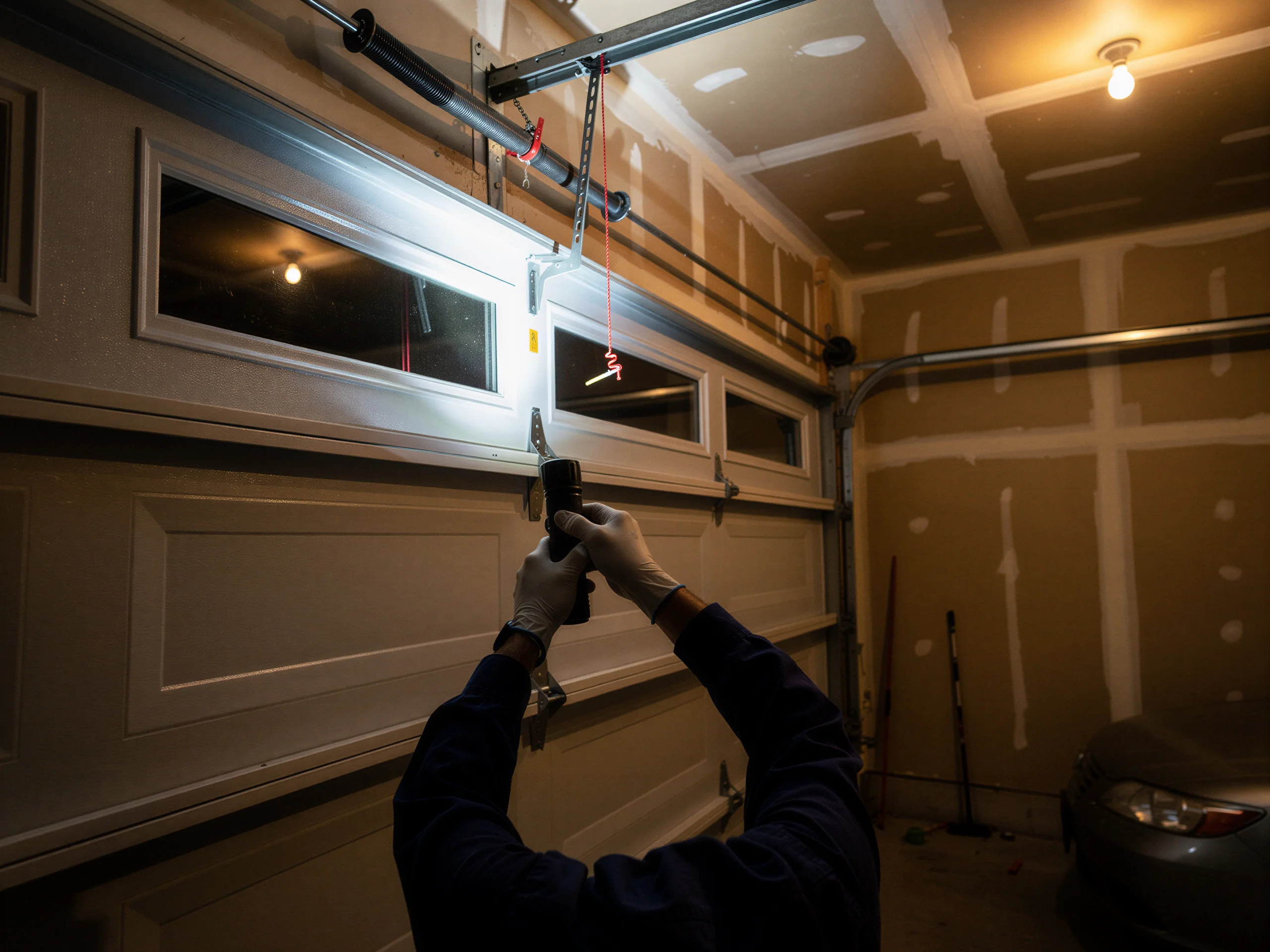
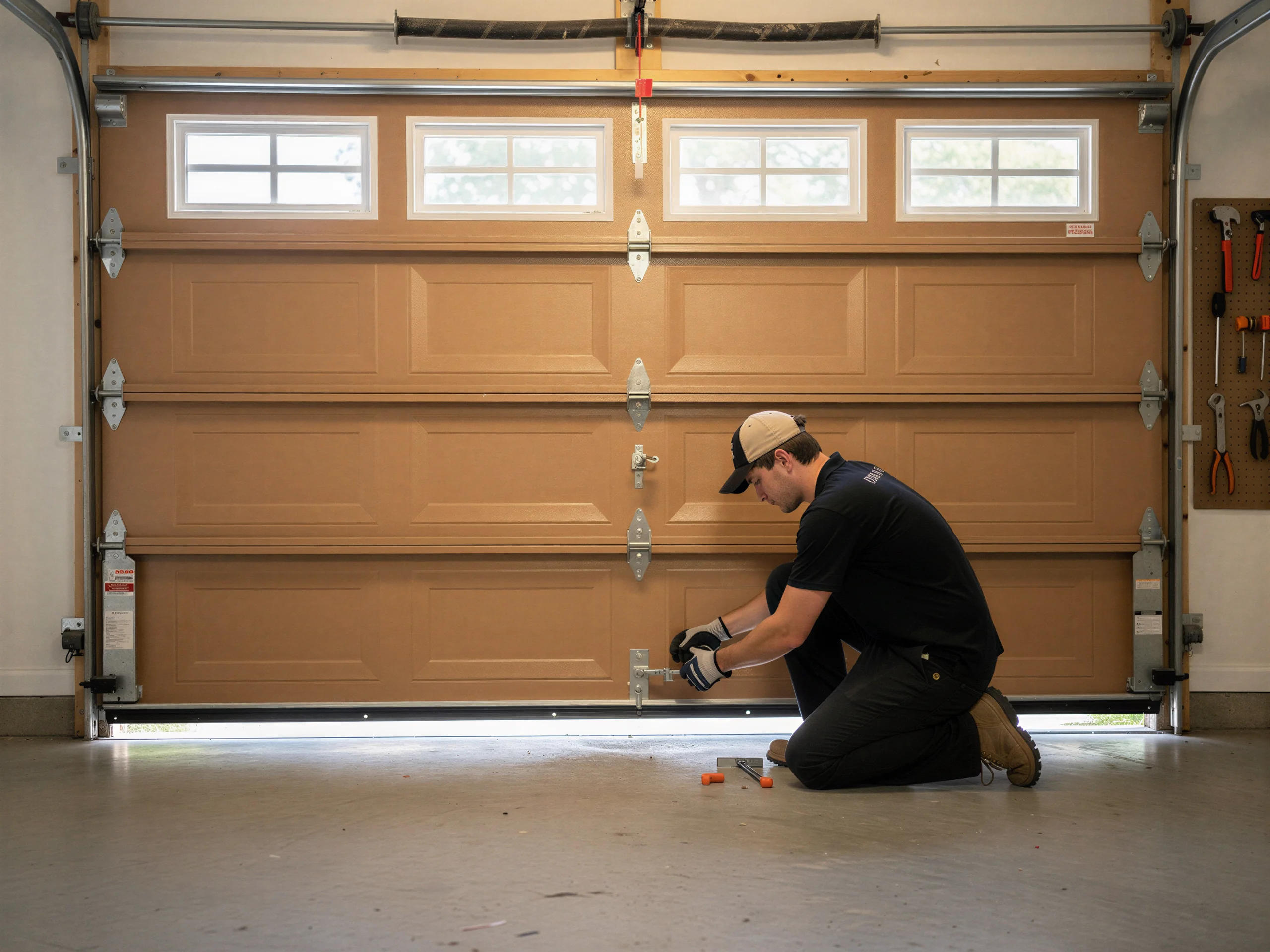
Garage Door Repair
Garage door repair for Inver Grove Heights, a 9-mile run from Apple Valley, where most homes date to 1990 and the failures look newer than the rest of the service area. Learn more →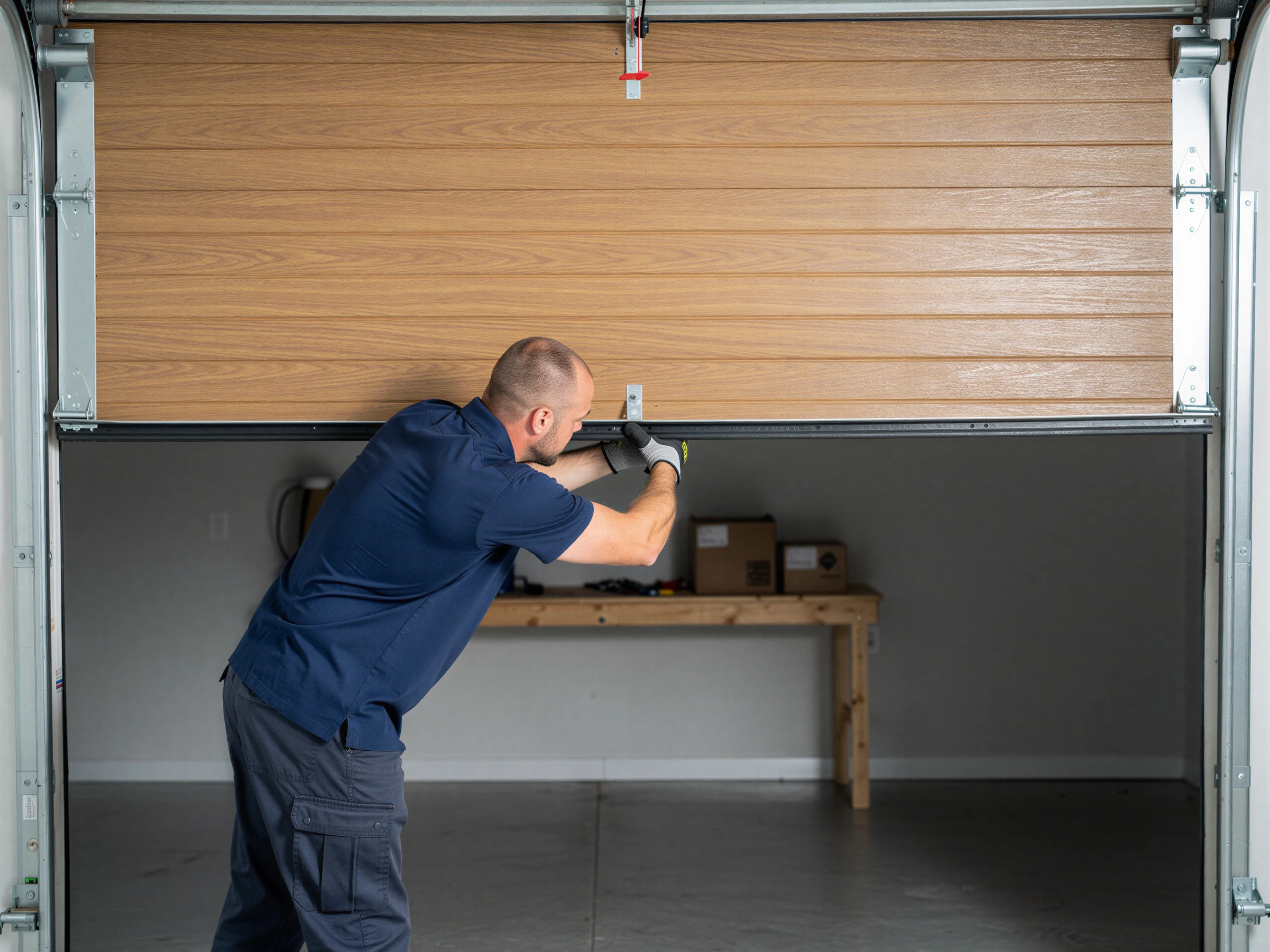
Garage Door Service
Garage door repair and service for Inver Grove Heights homes built mostly in the 1990s, run from our Apple Valley shop 9 miles away. Learn more →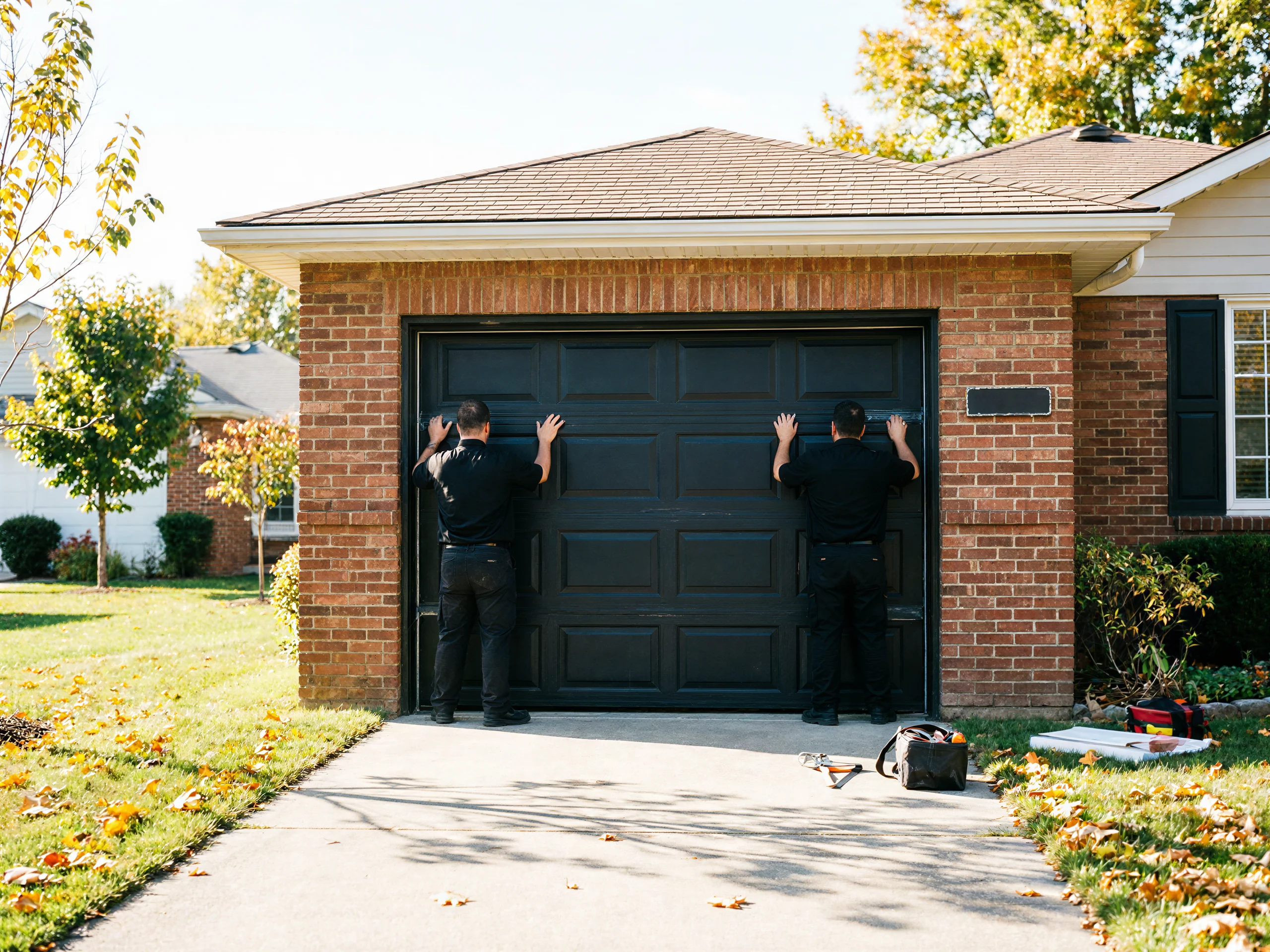
New Door Installation
Inver Grove Heights homes mostly date to 1990, a generation newer than the rest of our territory. Learn more →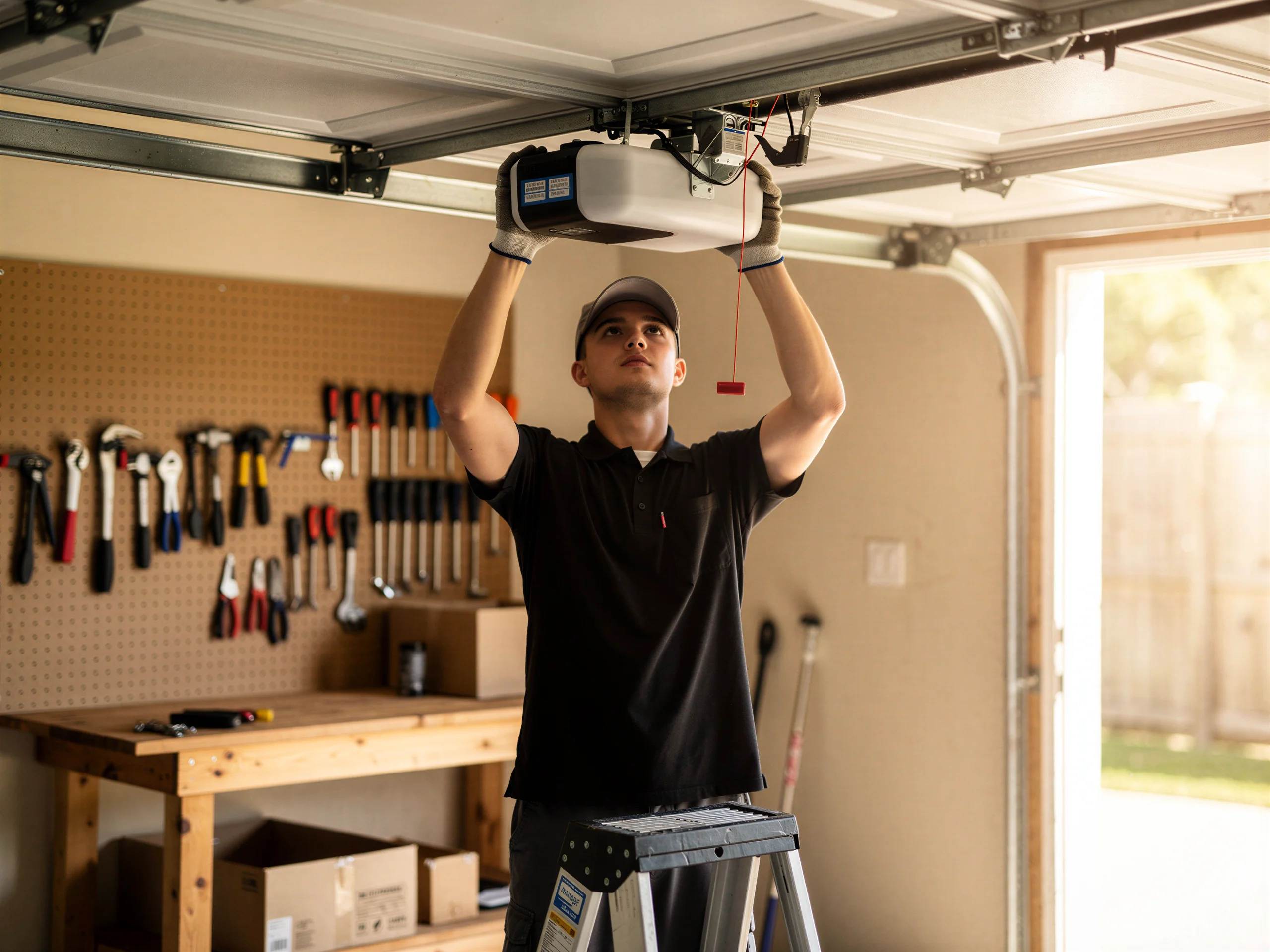
Opener Installation
Most Inver Grove Heights houses went up around 1990, and a lot of openers from that era are still hanging on. Learn more →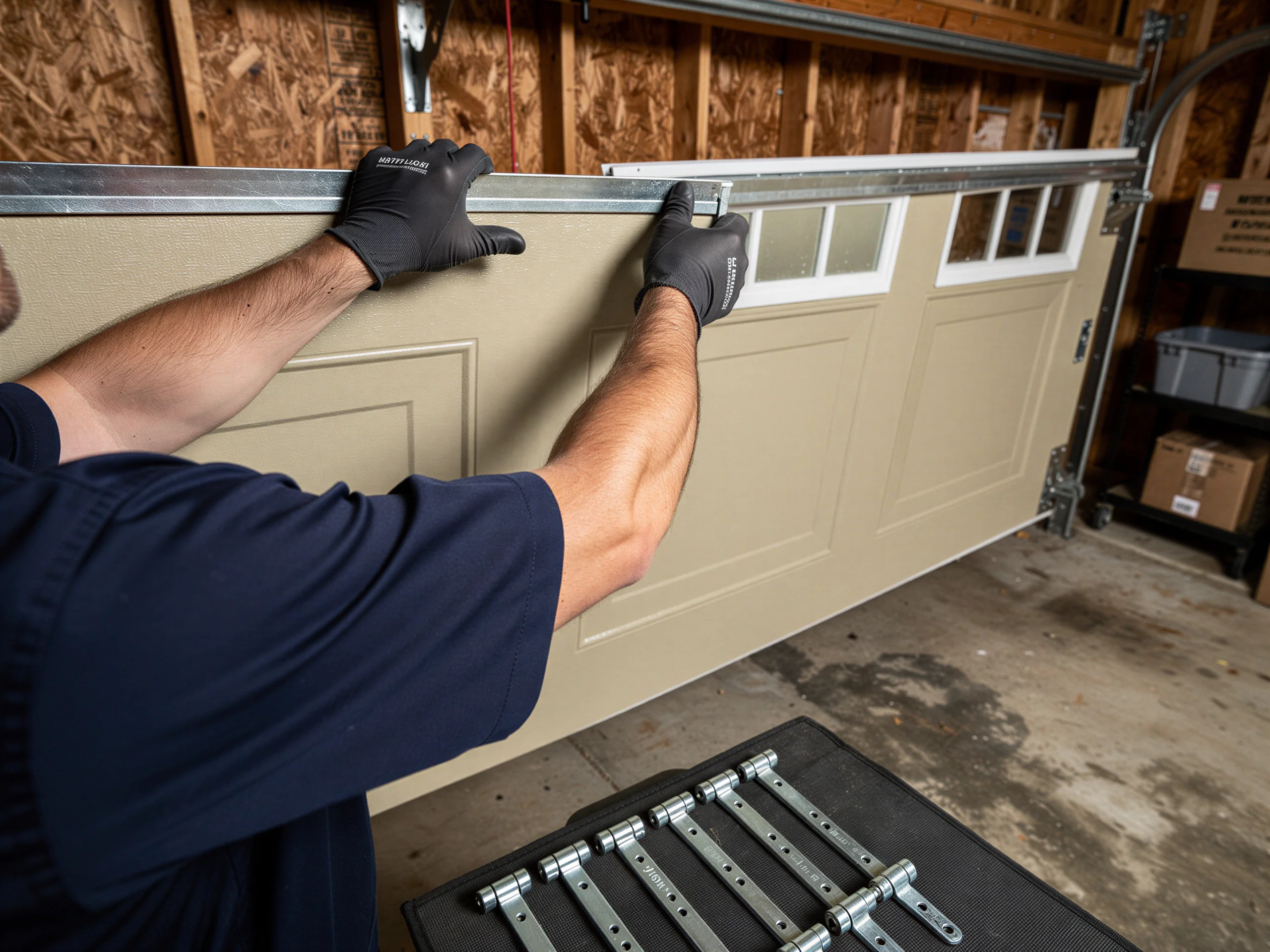
Panel Replacement
Inver Grove Heights homes mostly went up around 1990, so panel damage usually means steel sectional doors on torsion springs. Learn more →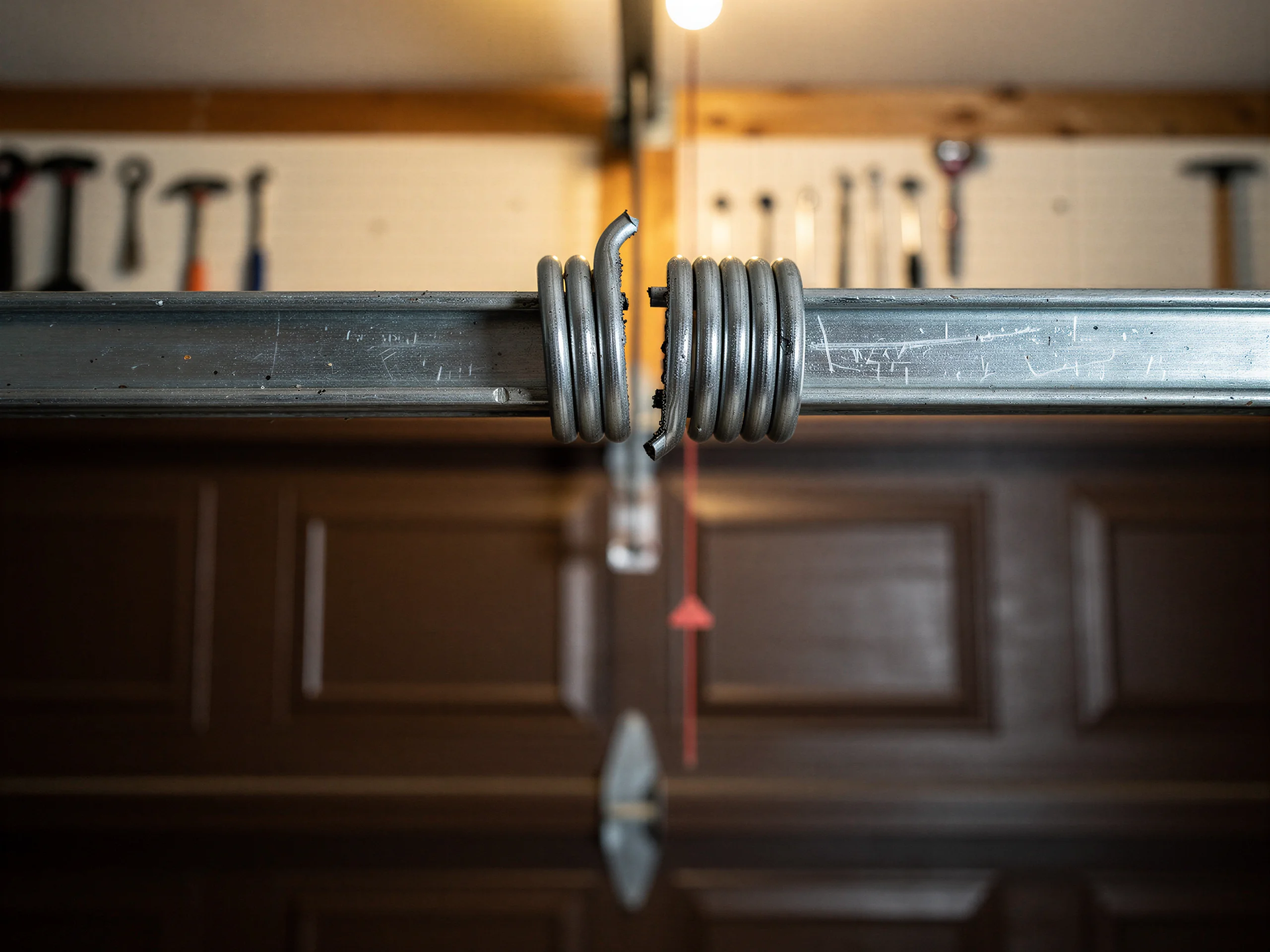
Spring Repair
Spring repair for Inver Grove Heights homes, built mostly after 1990 with newer extension and torsion setups. Learn more →Ready when you are
Need a garage door sorted in Apple Valley?
Apple Valley Garage Door Pros repairs and installs garage doors, springs and openers in Apple Valley, MN and the surrounding area.