Golden Valley, Apple Valley
New Garage Door Installation for Golden Valley's 1960s Housing Stock
Golden Valley homes mostly date to 1966, which means extension-spring doors on horizontal track. We install from our Apple Valley shop, 19 miles out, with the hardware that era actually needs.
Where This Job Goes Sideways
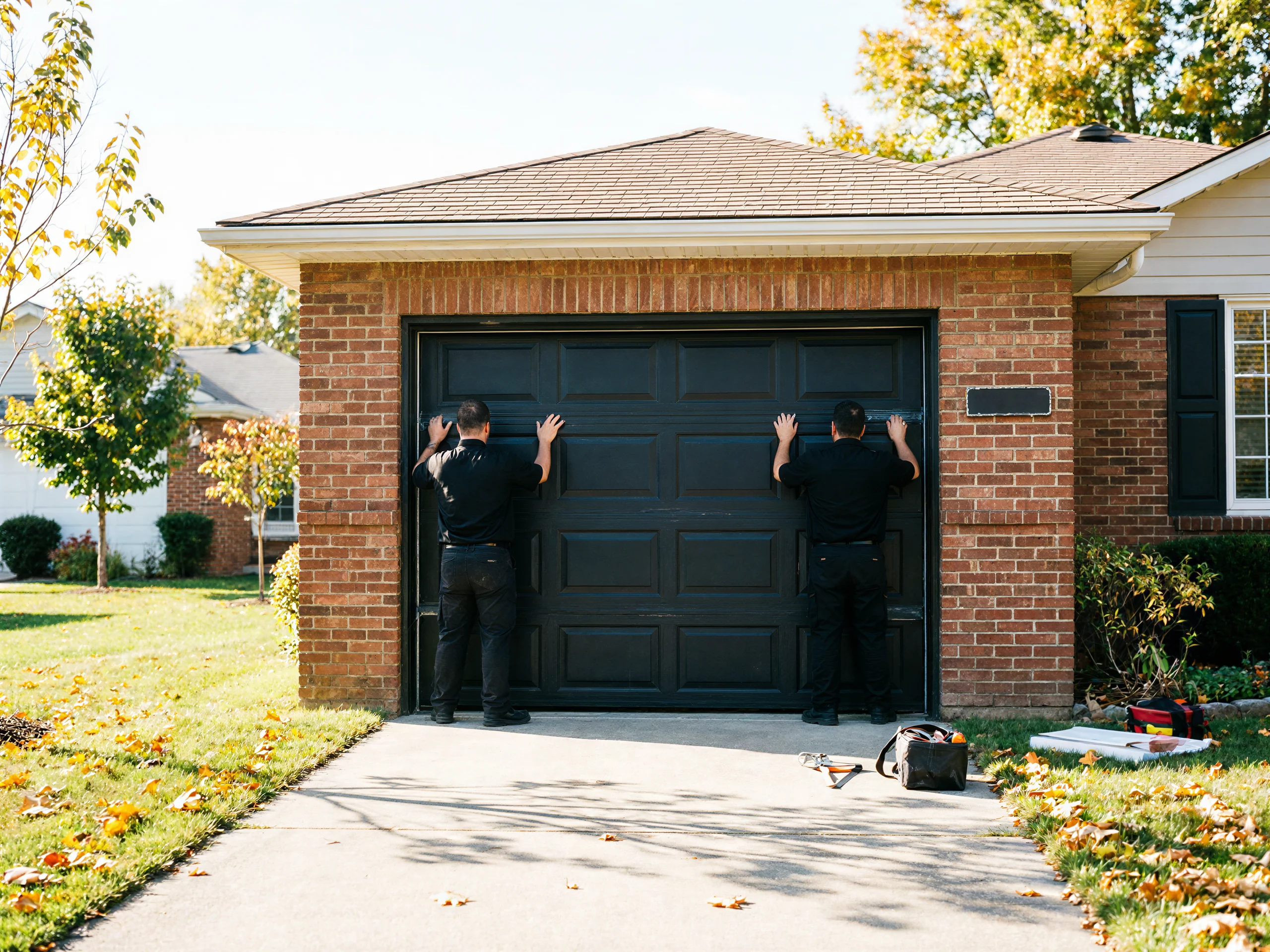
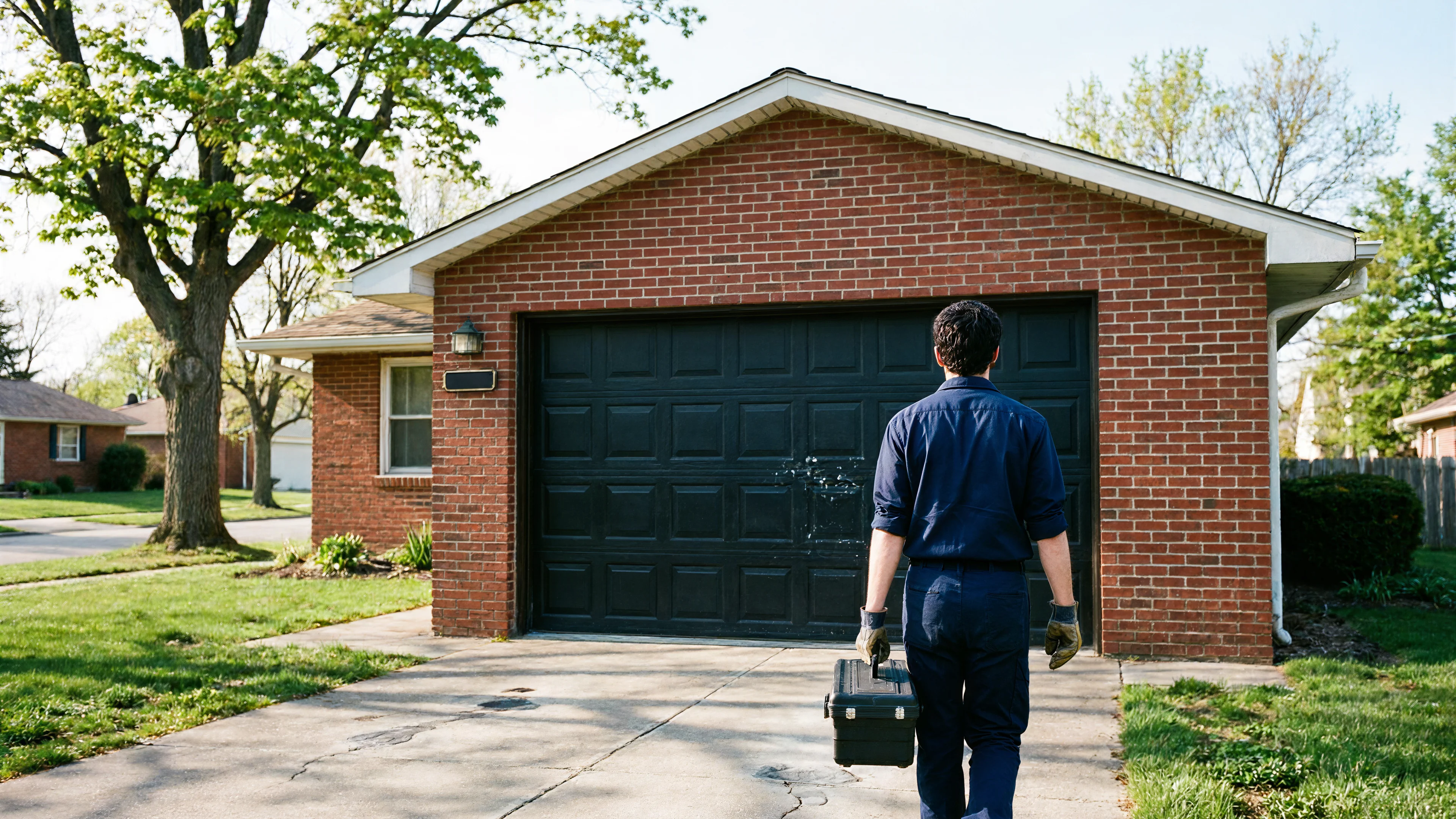
Golden Valley's housing stock centers on 1966, a decade when overhead doors shipped as a single layer of steel with extension springs mounted along the horizontal track, not the torsion bar most buyers expect today.
Aged pulleys and cables
That hardware was fine for its time, but fifty-plus years on, the sector pulleys wear, the safety cables (if they were ever added) are missing, and the door itself has usually been painted over a dozen times, adding weight the original springs were never sized for.
Lift system never updated
When we come out for what the homeowner calls a 'replacement,' half the time the real issue is that nobody ever updated the lift system to match the door. We see this pattern across the mid-1960s builds that make up most of Golden Valley, and it's the reason a straight swap - same door, new paint - is rarely the right call.
Standard width, dated lift
The opening itself is usually standard width for a single-car garage of that era, which helps, but the track, springs, and rollers almost never meet current safety practice, so a real installation means replacing the whole lift system, not just the panel.
Why It Happens Here
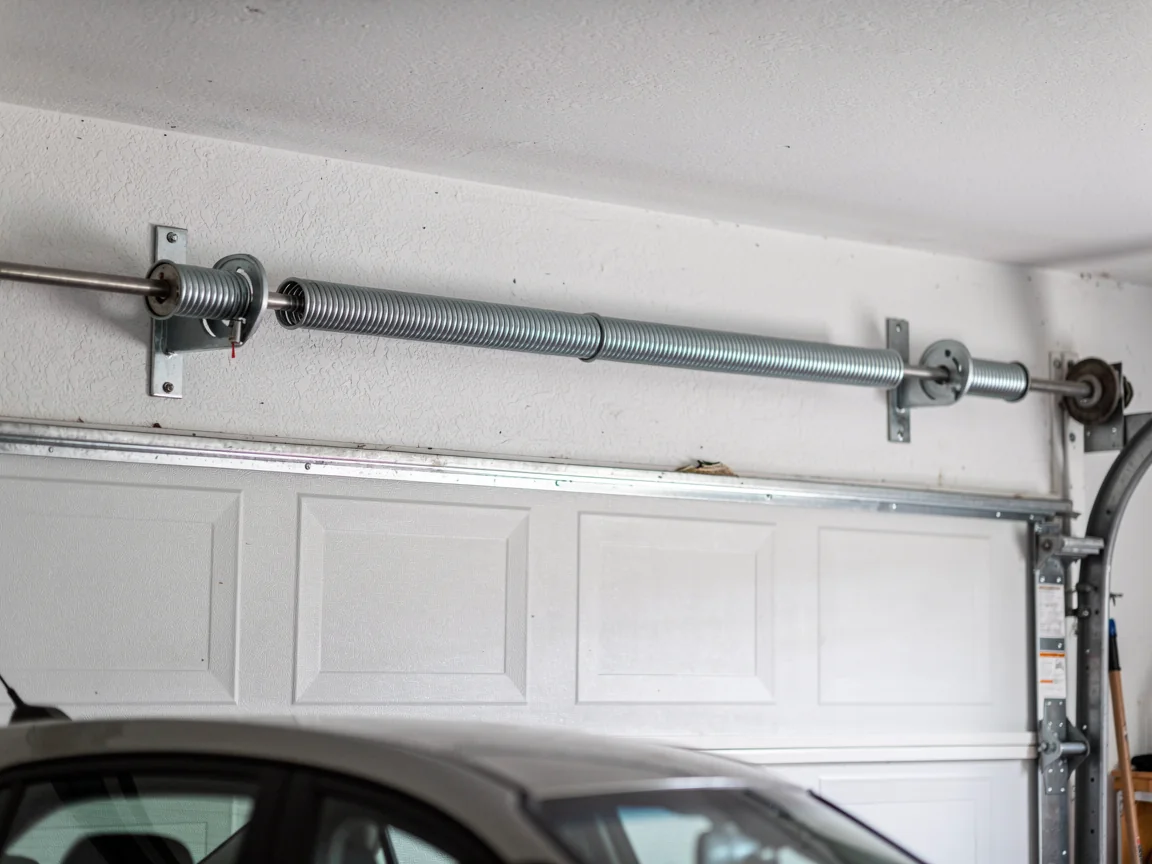
Golden Valley sits in a cold-moderate climate band, which means the garage goes through a genuine freeze-thaw cycle every winter rather than a mild dip. On a door built to 1966 standards, that cycle is harder on the hardware than the weather alone would suggest. Steel track contracts in the cold and the grease on an old extension-spring system thickens, so the door drags instead of gliding - and a spring under that kind of resistance is the one that snaps on the coldest morning of the year, usually with someone standing underneath it reaching for the release cord. Newer doors handle this fine because the springs and rollers are rated for it and the seals keep the cold from reaching the mechanism as directly. On an original 1966-era door, none of that was designed in. It's not that Golden Valley gets worse weather than anywhere else in the region - it's that the housing age and the climate band land on the same hardware at the same time, year after year, which is exactly when these doors fail.
How Long You Are Without the Door
We run this job out of Apple Valley, 19 miles from Golden Valley, so the timeline depends on what's on the truck versus what needs ordering first.
Same-visit standard swaps
Standard single-car openings - common across Golden Valley's roughly 9,671 households, most built in that same mid-1960s stretch - are usually a same-visit swap once we've measured and confirmed the opening.
Odd-width parts delay
Where it slows down is the oversized or odd-width openings that turn up in a handful of these older builds, or a door with hardware so corroded we can't safely reuse the frame. Those need a part ordered before we come back, and we'll tell you that up front rather than guess.
No local branch office
We don't keep a branch in Golden Valley, so there's no walk-in option - everything routes through scheduling from Apple Valley, which means a planned installation gets a firm date, but it's not a same-hour fix for an emergency.
Stocked Parts
We carry standard torsion springs, rollers, and track sections sized for the single and double-car openings that match Golden Valley's 1960s-era housing, because that's what we run into most. What we don't keep on the truck is anything custom - a nonstandard width, a discontinued panel profile, or hardware for a door that's been modified over the decades with mismatched parts. On a median household income of $114,435, we also see more Golden Valley owners skip the builder-grade steel replacement and go straight to an insulated two-layer panel, which is a different stock item than the single-layer doors common when these houses were built. If your opening is standard, we can usually finish in one visit. If it's not, we'll say so at the estimate, not after we've pulled the old door off the track.
Doing It Yourself
Swapping weatherstripping or a roller on a door you already trust is a reasonable weekend job. Replacing the door itself, especially on a 1966-era single-car opening with extension springs, isn't something we'd recommend taking on without the right bars and a clear idea of how much tension is stored in that spring. It's not a convenience fee we're protecting - it's that an extension spring under load has put people in the hospital, and the original installer in the 1960s wasn't working to today's safety hardware anyway. If you want to replace weatherstripping, lubricate hinges, or clear a stuck track yourself, that's worth doing and it'll extend the life of whatever door you have now. The spring and the full installation is where we'd ask you to call instead.
Questions
Common questions
Why does my Golden Valley house need a different spring than a newer house across town?
Most Golden Valley homes were built around 1966, when extension springs on horizontal track were standard. Newer construction almost always uses torsion springs mounted above the door on a shaft. The two systems aren't interchangeable, so the parts and the install method depend on when your garage was actually built, not just the door's current condition.
Do you have a branch in Golden Valley?
No. We run jobs in Golden Valley from our Apple Valley shop, about 19 miles away. Installations get scheduled with a firm date rather than a same-hour response, so plan the appointment a bit ahead rather than expecting a walk-in option nearby.
Can you just replace the door and reuse my old springs?
On a 1966-era door, usually no. The original extension-spring hardware is often worn past safe reuse, and reusing it on a new, heavier panel can overload a spring that was already near the end of its life. We'll check the hardware at the estimate and tell you honestly whether it's reusable.
Explore more
More Services in Golden Valley
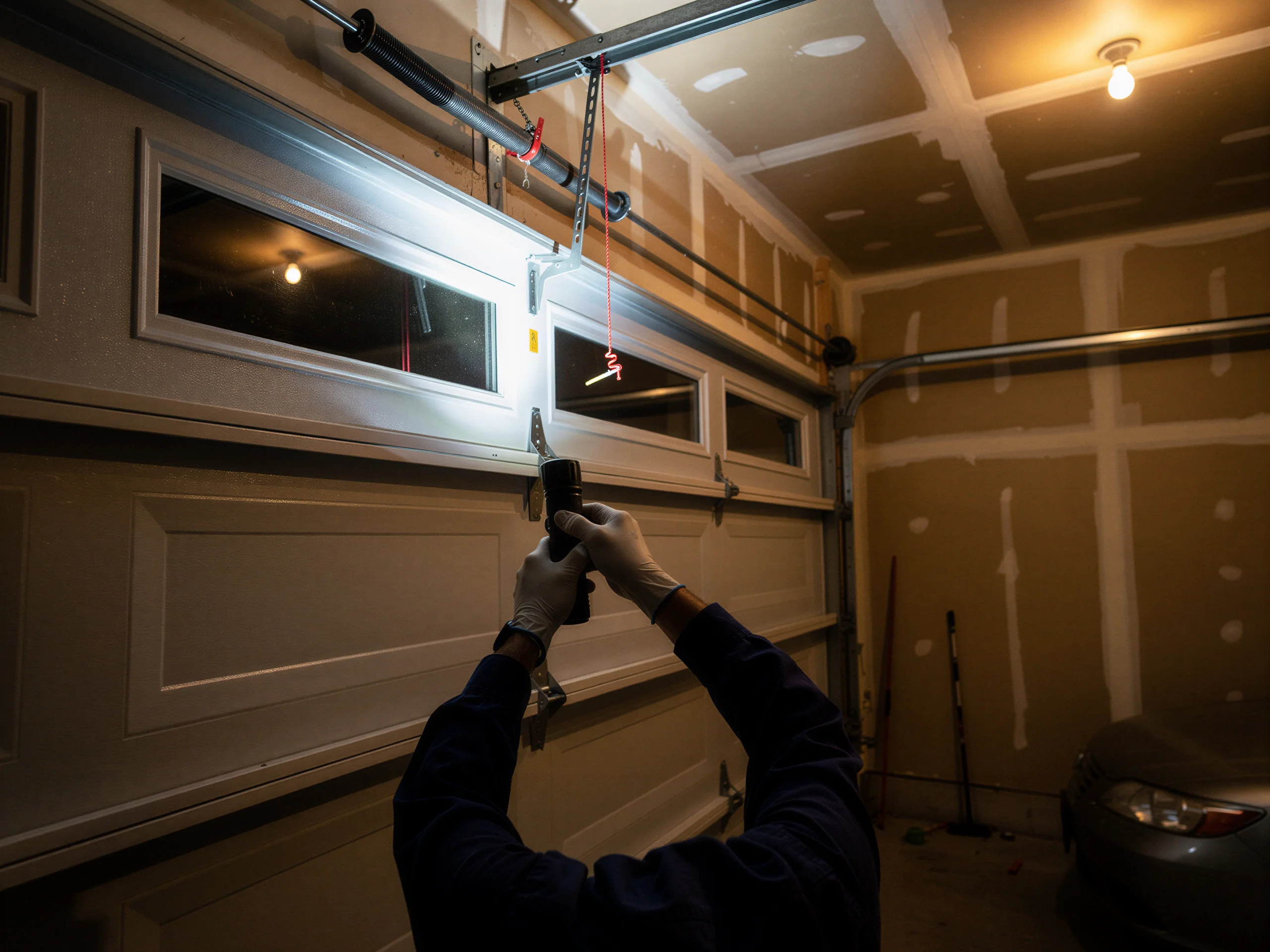
Emergency Garage Door
Emergency garage door repair for Golden Valley homes built mostly in the mid-1960s, covered by the Apple Valley Garage Door Pros team based 19 miles out. Learn more →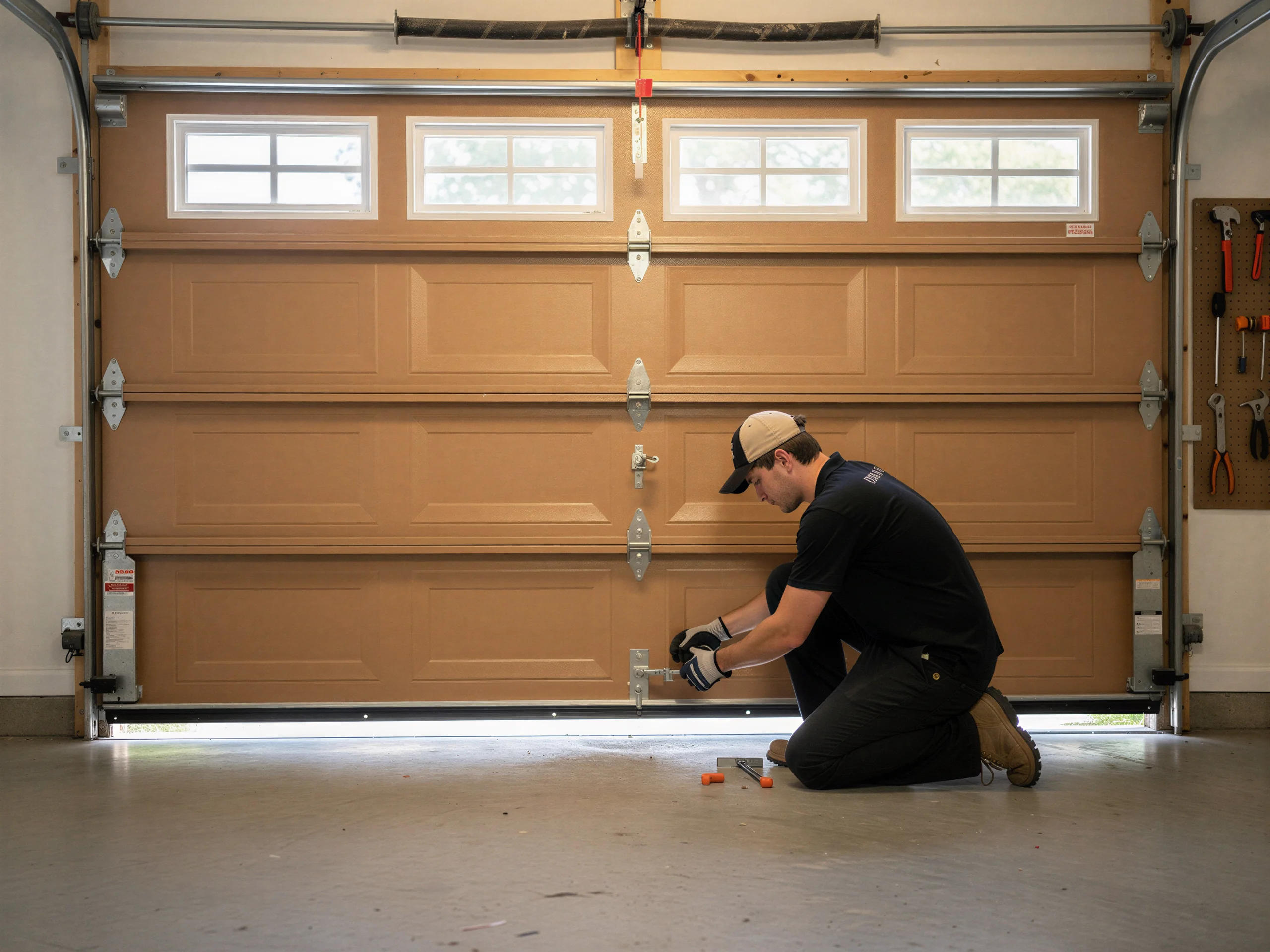
Garage Door Repair
Golden Valley homes built around 1966 still run a lot of original garage door hardware. Learn more →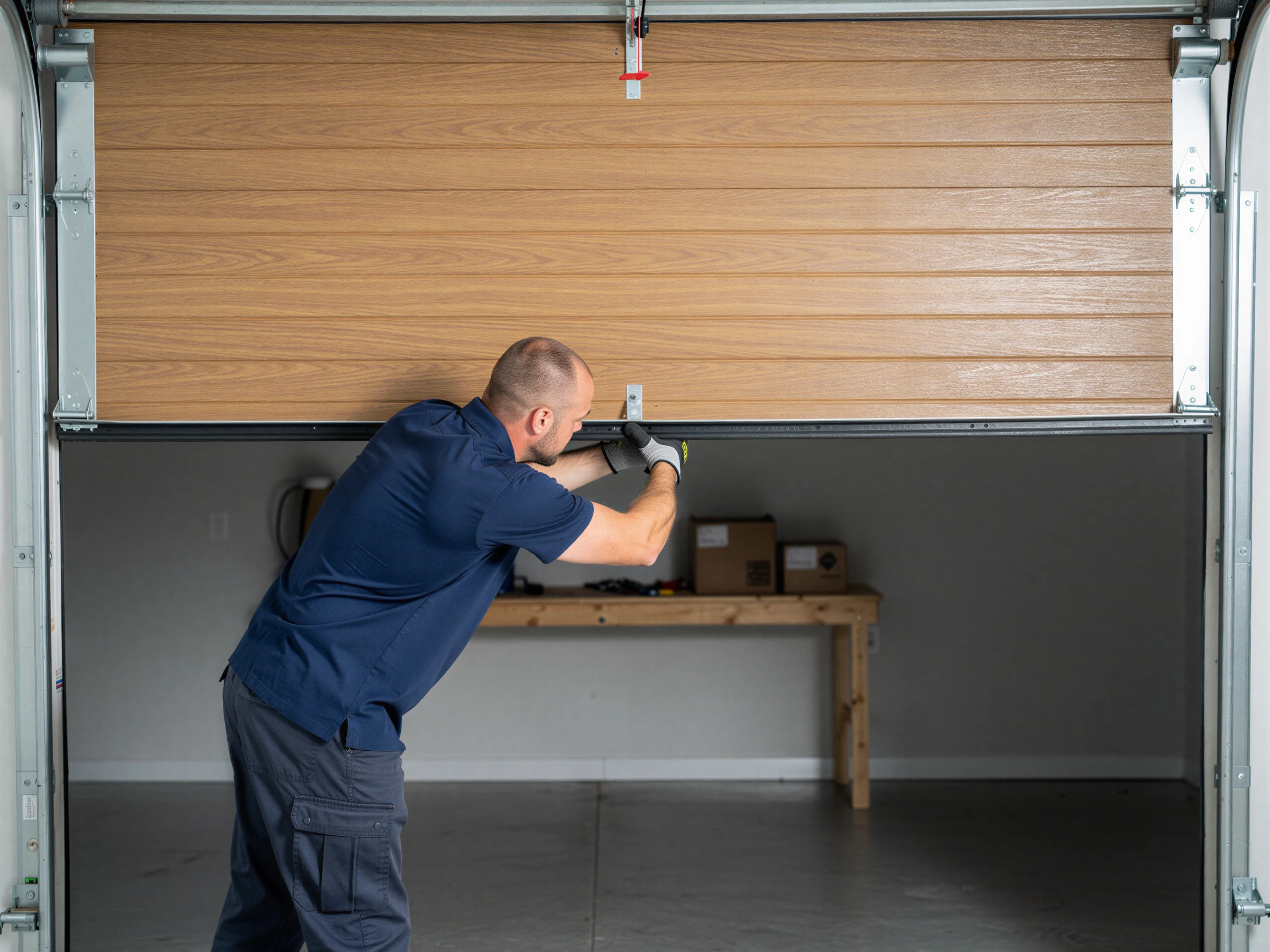
Garage Door Service
Golden Valley homes built mostly in the mid-1960s run steel doors on torsion hardware now 60 years old. Learn more →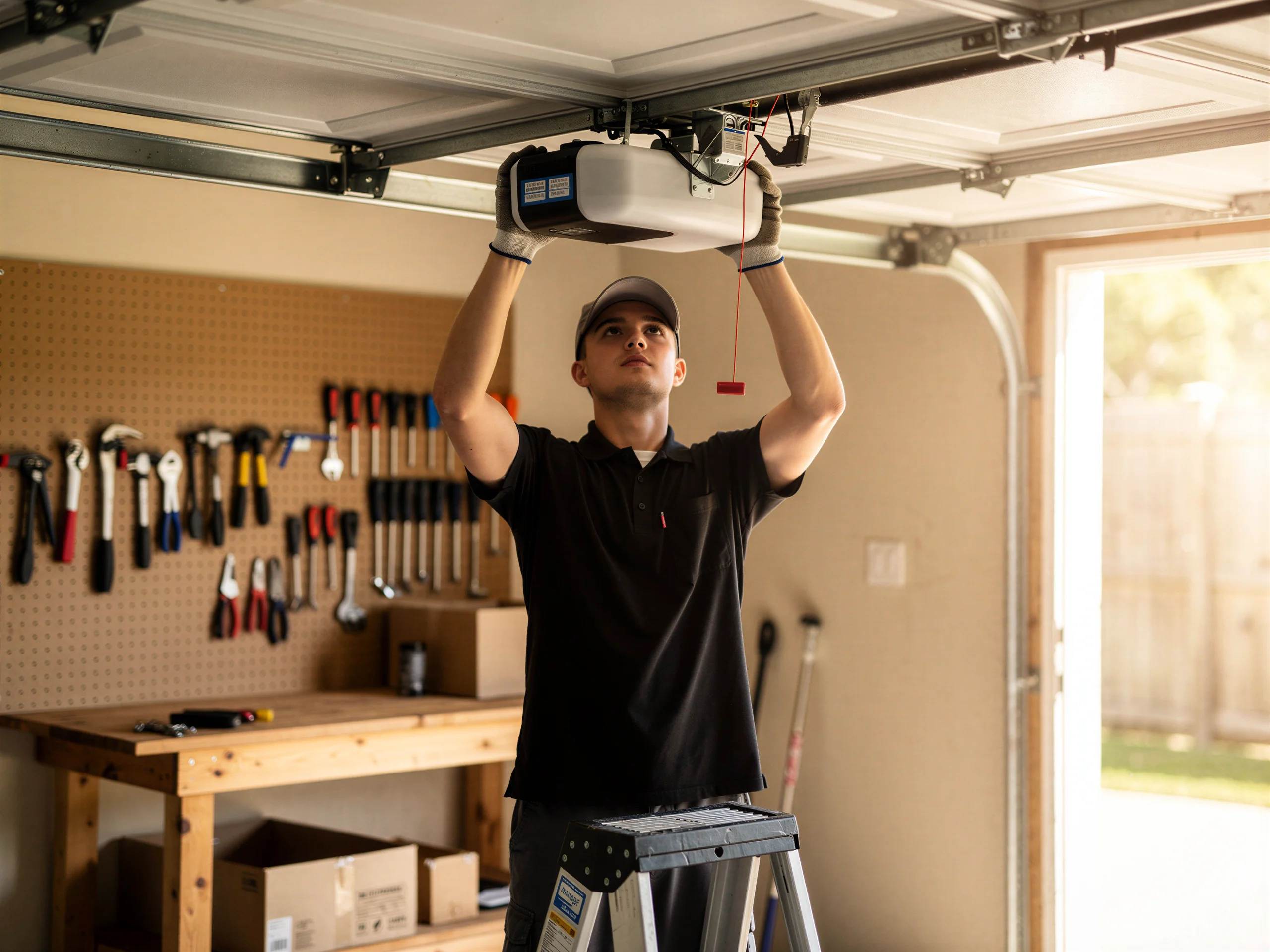
Opener Installation
Opener installs and swaps for Golden Valley's 1966-era garages, driven out from Apple Valley 19 miles away. Learn more →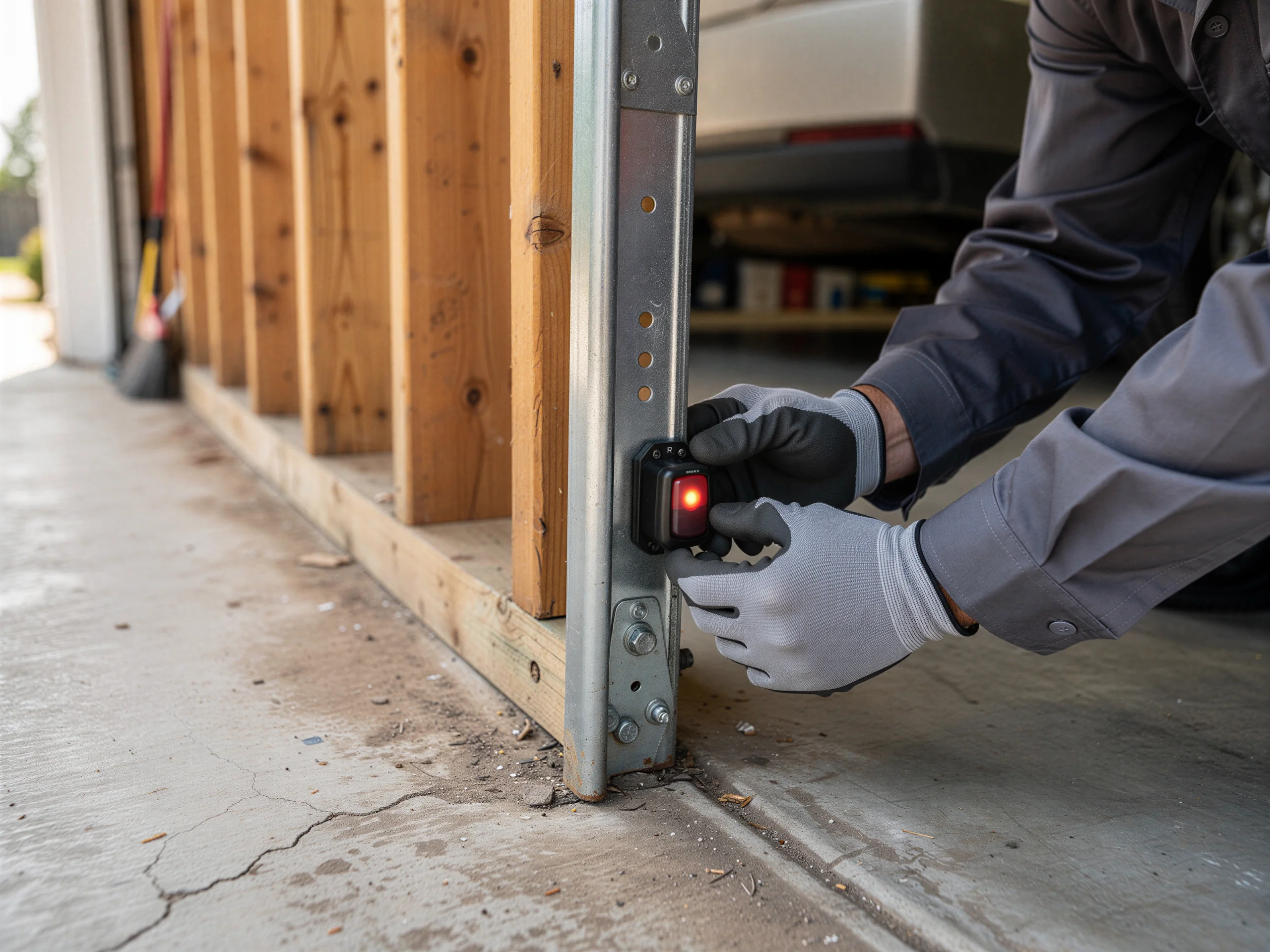
Opener Repair
Golden Valley homes run newer than most of our area, and a $114,435 median income changes the repair-or-replace math. Learn more →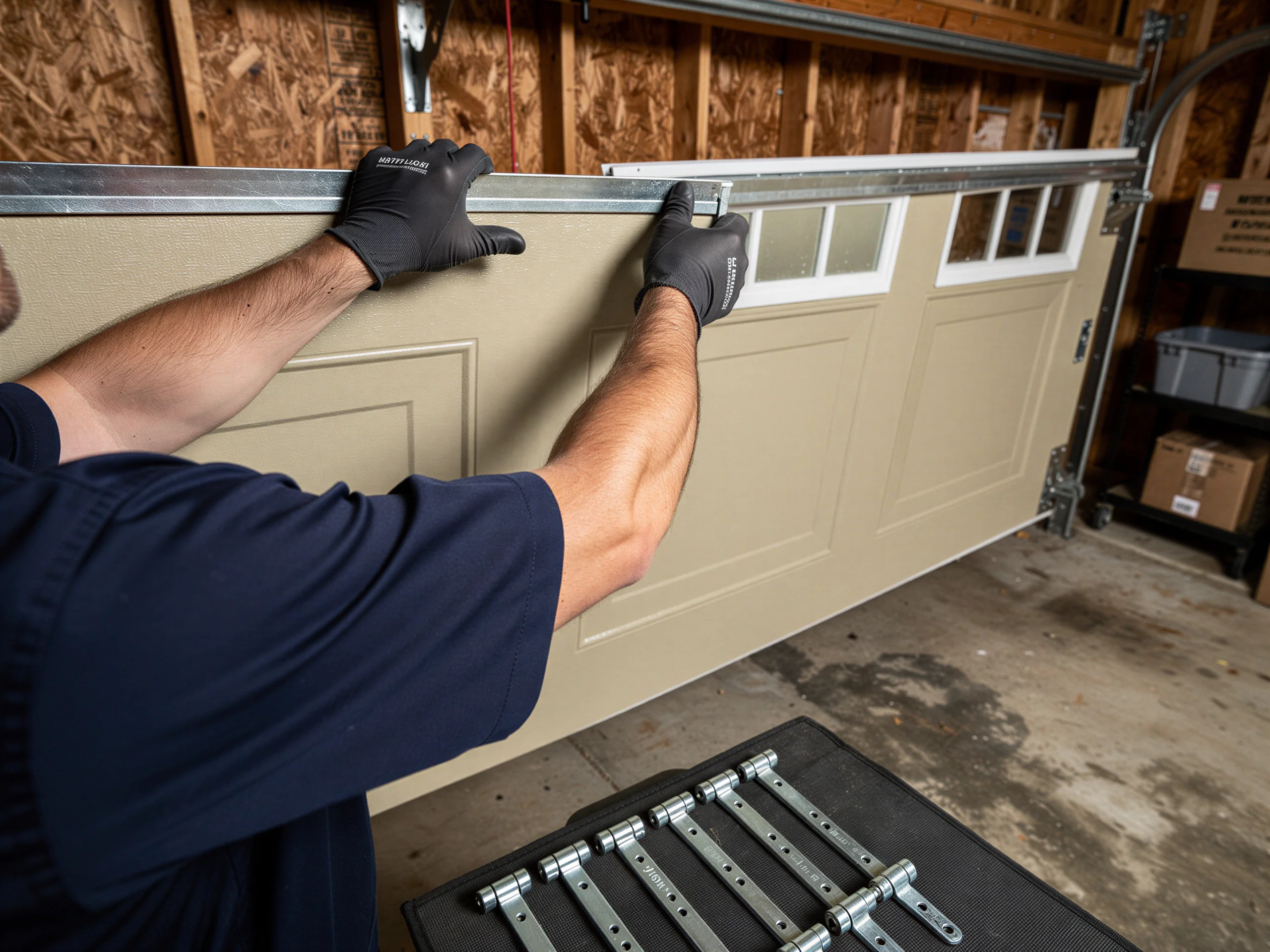
Panel Replacement
Golden Valley homes mostly went up around 1966, eight years ahead of the wider service area's median. Learn more →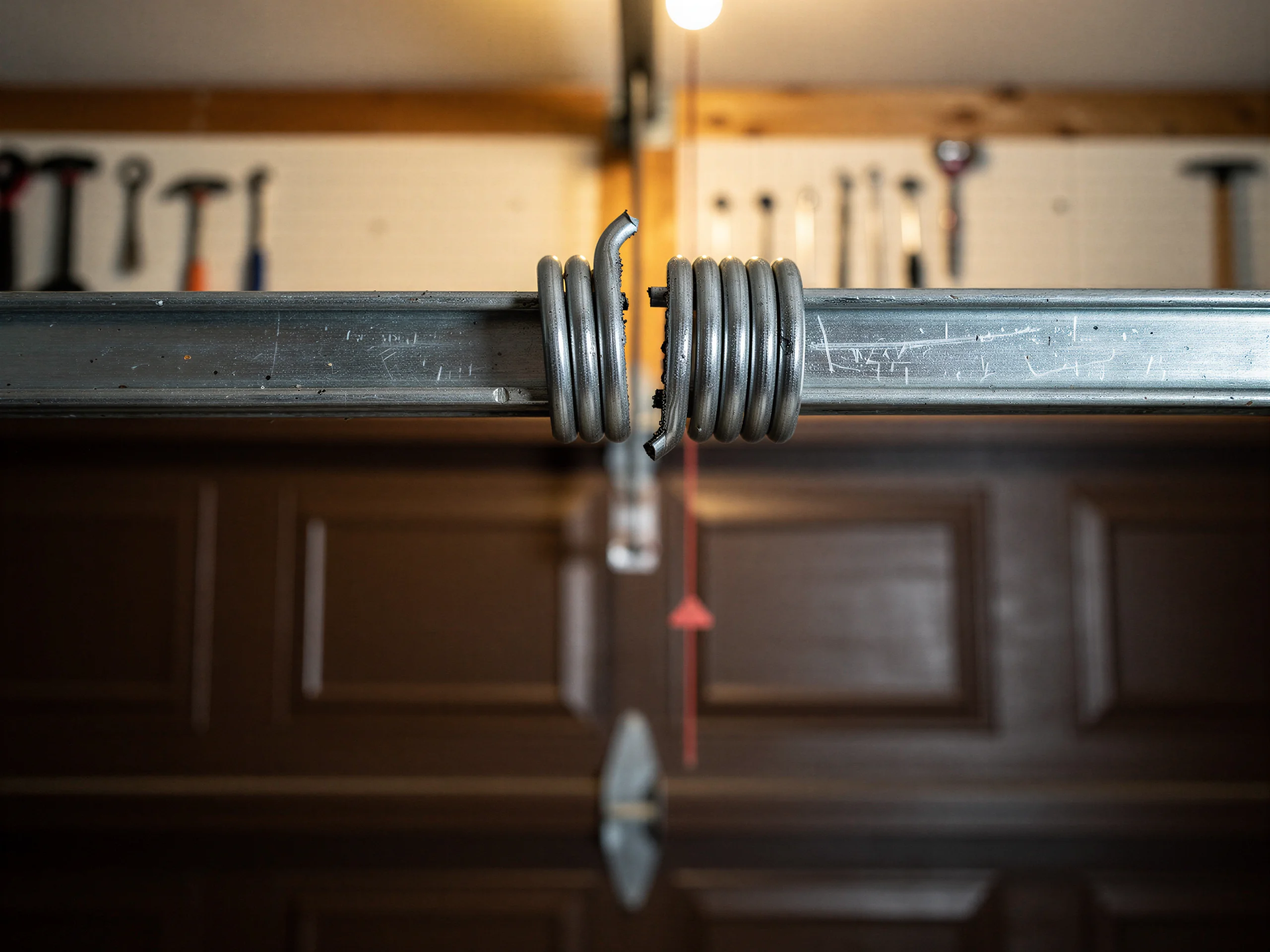
Spring Repair
Golden Valley homes date mostly to the mid-1960s, which means torsion springs sized for doors nobody builds that way anymore. Learn more →Ready when you are
Need a garage door sorted in Apple Valley?
Apple Valley Garage Door Pros repairs and installs garage doors, springs and openers in Apple Valley, MN and the surrounding area.